2026 Top Sports Footwear Trends What Buyers Should Know?
The sports footwear industry is witnessing a transformative shift ahead of 2026. Recent reports indicate that global demand for sports footwear is projected to reach $114 billion by 2025, a growth driven by rising health consciousness and athleisure fashion trends. Consumers are increasingly seeking footwear that combines functionality with style, reflecting a desire for products that support both performance and everyday wear.
Major trends in sports footwear include sustainability, with brands focusing on eco-friendly materials to attract environmentally conscious buyers. Additionally, advancements in technology are enhancing performance features, with brands investing heavily in research and development. However, the fast-paced market also poses challenges for manufacturers; staying relevant is crucial as preferences quickly shift.
As we analyze the trends transforming this dynamic sector, it's important to consider how well-established brands adapt to disruptive innovations. The landscape of sports footwear is complex, and companies must remain vigilant. Keeping an eye on consumer behavior and technological advancements will be essential for any stakeholder aiming to thrive in this competitive marketplace.
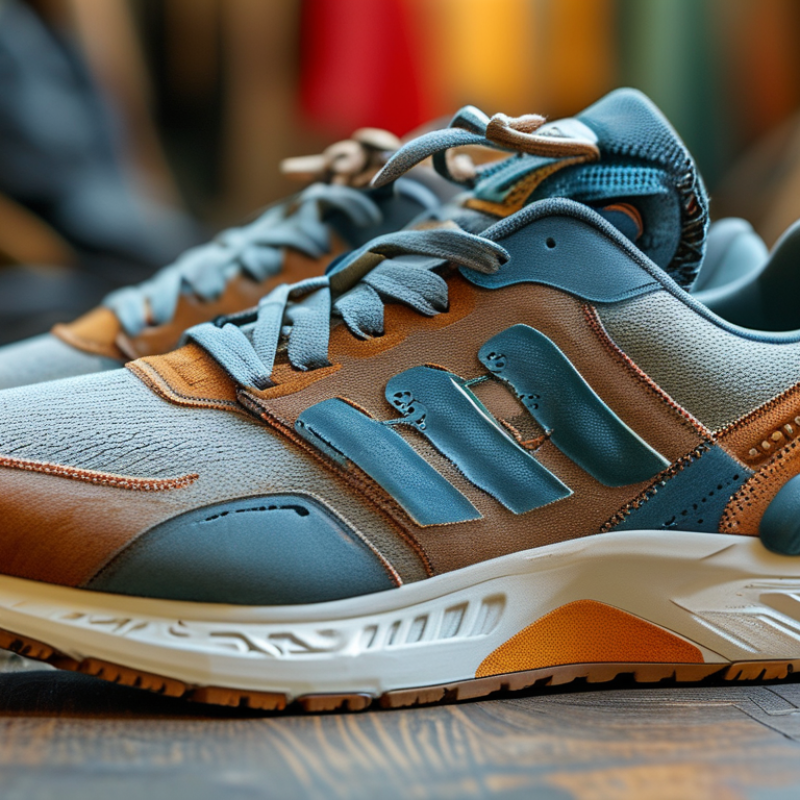
Emerging Technologies Influencing Sports Footwear Design in 2026
Emerging technologies are shaping the landscape of sports footwear design in 2026. Innovations such as 3D printing and adaptive materials are gaining traction. These technologies allow for customized fits that enhance comfort and performance. With 3D printing, footwear can be tailored to an athlete's specific needs. This level of personalization is revolutionary.
Sustainable practices are also becoming crucial. Eco-friendly materials, such as biodegradable polymers, are on the rise. Athletes and consumers alike are more conscious about their environmental footprint. The demand for sustainable footwear options is influencing design choices significantly.
Choosing the right sports footwear can be challenging. Consider the purpose of the shoe before buying. Evaluate how it fits within your active lifestyle. Testing different styles can reveal significant differences. Take time to walk or run in the shoes before making a final decision. Remember, not every trend will suit every athlete's needs. Adapting to personal preferences is key.
Popular Materials and Their Impact on Performance Footwear Choices
In 2026, sports footwear is seeing a profound evolution driven by innovative materials. Thermoplastic elastomers and biodegradable polymers are increasingly popular. These materials not only enhance flexibility but also reduce environmental impact. Insights from the Textile Research Journal indicate that using sustainable materials can improve consumer perception and brand loyalty by up to 40%.
Performance footwear choices hinge on these advancements. Many athletes prefer lightweight construction for agility. A report by the Sports & Fitness Industry Association shows that 68% of consumers associate weight with performance. Materials like mesh and breathable synthetics contribute significantly to this perception. Yet, there are challenges. Not all sustainable options offer the durability or support needed for high-impact sports.
Designers are now tasked with balancing performance and sustainability. The rise of vegan options is also notable, with studies indicating that around 25% of consumers favor animal-free products. This shift creates pressure on manufacturers to innovate while maintaining performance standards. The need to align consumer expectations with ethical practices calls for continuous innovation and transparent communication in the industry.
Key Color Trends and Aesthetic Directions for Athletic Shoes in 2026
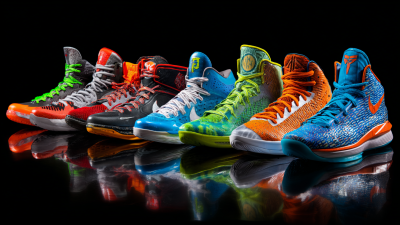
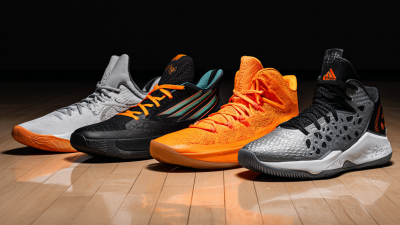
As we approach 2026, the landscape of sports footwear is changing. Buyers should be aware of the shifting color trends and aesthetic directions that will dominate the market. According to recent industry reports, bold colors like electric blue and vibrant orange will lead the charge. These eye-catching hues are expected to capture attention and drive enthusiasm among consumers.
Additionally, sustainable materials are gaining prominence in design choices. A study indicates that 70% of consumers prioritize sustainability when purchasing athletic shoes. This shift pushes brands to innovate with eco-friendly fabrics and production methods. As a result, expect to see footwear that not only looks good but also aligns with environmental values.
Textures add depth to the aesthetic experience. Expect a blend of sleek finishes and rugged patterns. Mesh fabrics and knit designs are prevalent, catering to consumers’ desires for comfort and breathability. Yet, some brands lag in adapting to these trends, showing that room for improvement exists within the industry. By 2026, the integration of these elements will define the shoes that resonate with buyers.
Sustainability Practices Shaping the Future of Sports Footwear Production
Sustainability is reshaping the sports footwear industry. Manufacturers are adopting eco-friendly materials and practices. This shift not only helps the planet but also attracts conscious consumers. Recycling old shoes and using biodegradable materials are two prominent trends. Many brands are incorporating recycled plastics into their products, reducing waste significantly.
Creating a sustainable product is not without challenges. Sourcing eco-friendly materials can be expensive and complicated. Moreover, production processes often lack transparency. Consumers should educate themselves on practices that truly promote sustainability. Look for certifications that guarantee environmental responsibility.
Finding the right balance between performance and sustainability is key. Buyers should ask questions about the materials used and the company's practices. Sometimes, sustainability claims can be misleading. Always research before making a purchase. By fostering informed choices, consumers can push the industry towards greater accountability and sustainability.
2026 Top Sports Footwear Trends What Buyers Should Know? - Sustainability Practices Shaping the Future of Sports Footwear Production
| Trend |
Description |
Sustainability Impact |
Materials Used |
| Eco-friendly Materials |
Growing use of recycled and bio-based materials in footwear design. |
Reduces landfill waste and carbon footprint. |
Recycled PET, organic cotton, natural rubber. |
| Circular Economy Practices |
Models encouraging product take-back and reuse to extend lifecycle. |
Minimizes waste and maximizes resource efficiency. |
Upcycled materials, modular designs. |
| Local Production |
Manufacturing closer to the point of sale to lower transportation emissions. |
Reduces carbon emissions associated with shipping. |
Locally sourced materials, reduced footprint. |
| Smart Footwear Technology |
Footwear with embedded tech for performance enhancements and monitoring. |
Can lead to longer product lifespans through better maintenance insights. |
Smart fabrics, lightweight sensors. |
| Minimalistic Design |
Simpler designs that reduce material use without sacrificing performance. |
Lowers resource consumption and waste. |
Streamlined fabrics, fewer components. |
Consumer Preferences and Buying Behaviors in Sports Footwear Market Trends
As the sports footwear market evolves, understanding consumer preferences and buying behaviors is crucial. A growing number of customers prioritize sustainability in their purchasing decisions. Eco-friendly materials are gaining traction, reflecting a shift toward environmentally responsible products. Consumers are now more aware of the impact of their purchases on the planet. This awareness shapes their choices and drives demand for brands that promote sustainability.
Comfort and performance remain key factors for buyers. Many consumers seek footwear that enhances their athletic performance. With innovations in cushioning and support, brands are addressing these needs, yet not all designs deliver. Some users report discomfort after extended wear, highlighting a gap between marketing claims and actual experience. Customization also plays a role, as buyers want shoes tailored to their specific needs.
Price sensitivity is another trend influencing buying behaviors. Shoppers carefully compare options, seeking value without compromising quality. Discount promotions attract attention but can lead to impulse buying. However, this can result in regrets. Striking a balance between quality, price, and brand ethics is becoming increasingly complex. Buyers are making decisions that reflect their values, focusing on both function and ethics in their footwear choices.