Top Athletic Footwear Trends You Need to Know for Optimal Performance
In the ever-evolving world of sports and fitness, staying ahead of the curve means understanding the latest trends in athletic footwear. As athletes and fitness enthusiasts strive for optimal performance, the right pair of shoes can make all the difference. Athletic footwear is not just about style; it plays a crucial role in providing support, comfort, and functionality to enhance training and competition outcomes.
Recent advancements in technology and design have led to an impressive variety of athletic footwear options tailored to meet the specific needs of athletes across different sports. From lightweight materials that promote speed and agility to cushioning systems that provide superior comfort during long training sessions, these trends are shaping the way individuals approach their workouts. Additionally, the increasing emphasis on injury prevention and recovery is influencing footwear design, as brands aim to create shoes that help athletes maintain peak performance without compromising their physical well-being.
As we delve into the top athletic footwear trends, it's important to recognize not only how these innovations can boost performance but also how they reflect broader shifts in the athletic landscape. Understanding these trends will empower athletes to make informed choices that align with their personal goals and enhance their overall experience in sports and fitness.
Top Trends in Athletic Footwear: An Overview of Innovations
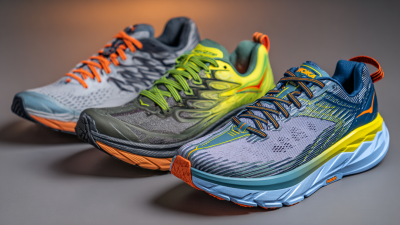
The athletic footwear industry is constantly evolving, driven by innovations that enhance performance and cater to the diverse needs of athletes. Recent reports indicate that the global athletic footwear market is projected to reach $116.2 billion by 2026, growing at a CAGR of 3.9%. This growth is largely attributed to advancements in technology that improve the functionality and comfort of athletic shoes. One of the foremost trends is the incorporation of lightweight and breathable materials, which not only reduce fatigue during prolonged physical activity but also enhance ventilation, keeping feet cooler and drier.
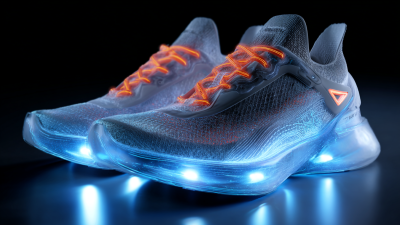
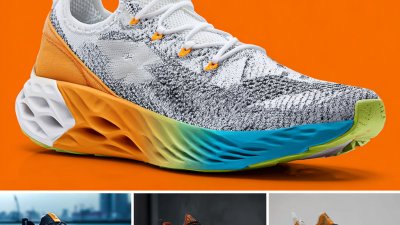
Another significant trend is the rise of customization in athletic footwear, reflecting a shift towards personalized sports gear that accommodates individual preferences and biometrics. According to a survey conducted by the Sports & Fitness Industry Association, 67% of athletes expressed an interest in shoes that can be tailored to their specific foot shape and style of play. This trend is leading to the development of 3D printing technologies, allowing for bespoke designs that ensure an optimal fit and improved performance. Furthermore, the integration of smart technology into athletic footwear, such as built-in sensors that track performance metrics, is gaining traction, enhancing training regimens and offering athletes valuable insights into their activities.
The Rising Demand for Sustainable Materials in Athletic Footwear
The demand for sustainable materials in athletic footwear has surged as awareness of environmental issues grows. Consumers are increasingly seeking shoes made from recycled or eco-friendly materials that reduce their carbon footprint. Brands are responding by innovating with natural fibers, recycled plastics, and biodegradable components, creating footwear that not only performs well but also aligns with athletes' values of sustainability. This shift not only helps the planet but also enhances brand loyalty among eco-conscious consumers who prioritize responsible production techniques.
**Tips for Choosing Sustainable Footwear**: Look for certifications like Global Organic Textile Standard (GOTS) or Fair Trade labels that ensure ethical production. Additionally, research the company's sustainability initiatives to understand their commitment to environmentally-friendly practices. As you shop, pay attention to the materials listed in the shoe specifications—choosing options that highlight recycled or organic components can make a significant impact.
Moreover, consider the lifecycle of the footwear you select. Opt for designs that emphasize durability and repairability, extending the lifespan of your shoes and reducing waste. Investing in quality products that can be refurbished or resold helps promote a circular economy within the footwear industry. This mindful approach to athletic shoes not only supports optimal performance but also contributes to a healthier planet.
Top Athletic Footwear Trends You Need to Know for Optimal Performance
| Trend |
Description |
Materials Used |
Target Audience |
| Sustainable Materials |
Increased use of eco-friendly materials to minimize environmental impact. |
Recycled plastics, organic cotton, natural rubber |
Eco-conscious athletes and consumers |
| Smart Technology |
Integration of fitness tracking technology within footwear for real-time performance monitoring. |
Sensors, flexible circuits |
Tech-savvy athletes |
| Customization |
Increased demand for personalized footwear solutions tailored to individual needs. |
3D printing materials, customizable foam |
Professional athletes, fitness enthusiasts |
| Lightweight Designs |
Focus on creating shoes that offer support while minimizing weight. |
Mesh uppers, EVA foam |
Runners and casual athletes |
| Versatile Styles |
Fashionable yet functional footwear suitable for both workouts and everyday wear. |
Synthetic leather, breathable fabrics |
Active lifestyle consumers |
Impact of Smart Technology Integration on Performance Footwear
The integration of smart technology into athletic footwear is revolutionizing how athletes enhance their performance and track their progress. According to a recent market report, the global smart footwear market is expected to reach $4.5 billion by 2025, reflecting a strong demand for performance-enhancing features. This surge can be attributed to innovations like built-in sensors that monitor metrics such as stride length, foot strike angle, and fatigue levels, providing valuable insights that can help athletes fine-tune their training regimens.
Moreover, smart technology in footwear allows for real-time data analysis, enabling users to receive immediate feedback during workouts. A study published in the Journal of Sports Sciences highlighted that athletes using data-driven insights improved their performance by an average of 10% over traditional training methods. The ability to integrate smartphone applications for personalized coaching further enhances this experience, creating a tailored approach to fitness. As the trend of smart technology continues to evolve, it is poised to play a critical role in shaping the future of performance footwear, potentially leading to even greater achievements in athletic performance.
Performance Enhancements: The Role of Cushioning and Support Systems
The evolution of athletic footwear has significantly enhanced athletic performance, with an emphasis on cushioning and support systems playing a pivotal role. Cushioning technology absorbs impact, providing a softer landing during high-impact activities. This not only minimizes the risk of injury but also improves energy return, allowing athletes to perform at their best over longer durations. Innovative materials like EVA foam and gel-injected components are now commonplace, offering personalized comfort levels that can be tailored to an athlete's specific needs and preferences.
Support systems are equally vital in athletic footwear design, ensuring stability and alignment during various movements. Features such as arch supports and heel counters are engineered to stabilize the foot, reducing excess movement that could lead to injuries. Additionally, upper materials designed for breathability and flexibility contribute to a secure fit, allowing for a natural range of motion while maintaining adequate support. As athletes continue to push their limits, the advancement of cushioning and support technologies remains crucial for optimizing performance across all disciplines.
Market Insights: Growth Statistics in the Athletic Footwear Industry
The athletic footwear industry has experienced remarkable growth in recent years, driven by an increasing focus on health and fitness among consumers. As more individuals engage in regular physical activities, the demand for high-performance footwear designed for comfort and durability continues to rise. Recent market insights indicate that the global athletic footwear market is projected to expand significantly, with a compound annual growth rate (CAGR) that reflects the growing trend toward active lifestyles. This surge is not only a testament to the increasing participation in sports but also underscores the evolving consumer expectations for product functionality and style.
Moreover, the demographic landscape of athletic footwear buyers is shifting. Younger consumers are increasingly prioritizing performance-oriented features while also seeking fashionable designs that can transition from the gym to everyday wear. This trend has encouraged manufacturers to innovate continually, incorporating advanced materials and technology that enhance both the look and functionality of athletic shoes. The rise of e-commerce has also played a pivotal role in this growth, as more customers turn to online platforms for their purchases, allowing for a wider selection and better access to the latest trends in athletic footwear. As the market progresses, companies are likely to continue adapting to consumer preferences, further solidifying the athletic footwear sector's position within the broader retail landscape.
Top Athletic Footwear Trends - Market Insights