What Is the Best Type of Sports Shoes for Wholesale Buyers?
Choosing the best type of sports shoes for wholesale buyers requires more than comparing catalog photos. A reliable decision begins with the buyer’s target market, activity level, climate, and expected price range. Running shoes, training shoes, basketball shoes, and walking shoes each solve different customer problems. A soft running sole may suit daily road use, but it may wear quickly on rough outdoor surfaces.
Wholesale buyers should examine measurable details before placing large orders. Check outsole rubber, midsole density, stitching quality, heel support, and ventilation. Request size samples and test them on real floors. A shoe that feels stable on polished concrete may perform differently on wet pavement. Supplier experience also matters. Ask for production records, material specifications, quality-control procedures, and consistent sizing data. These details can reduce returns and protect retailer trust.
There is no universal winner.
The “best” sports shoes depend on how customers will use them. Buyers should compare comfort, durability, packaging, minimum order quantities, delivery reliability, and after-sales support. Cost is important, but the cheapest pair may create higher expenses through defects and customer complaints. Some evaluations may remain incomplete because long-term wear requires weeks of testing. That uncertainty deserves honest attention. A small pilot order can reveal problems before a full purchase. With practical testing and careful supplier review, wholesale buyers can select sports shoes that balance performance, market demand, and sustainable profit.
Defining the Main Types of Sports Shoes for Wholesale Buyers
What Is the Best Type of Sports Shoes for Wholesale Buyers?
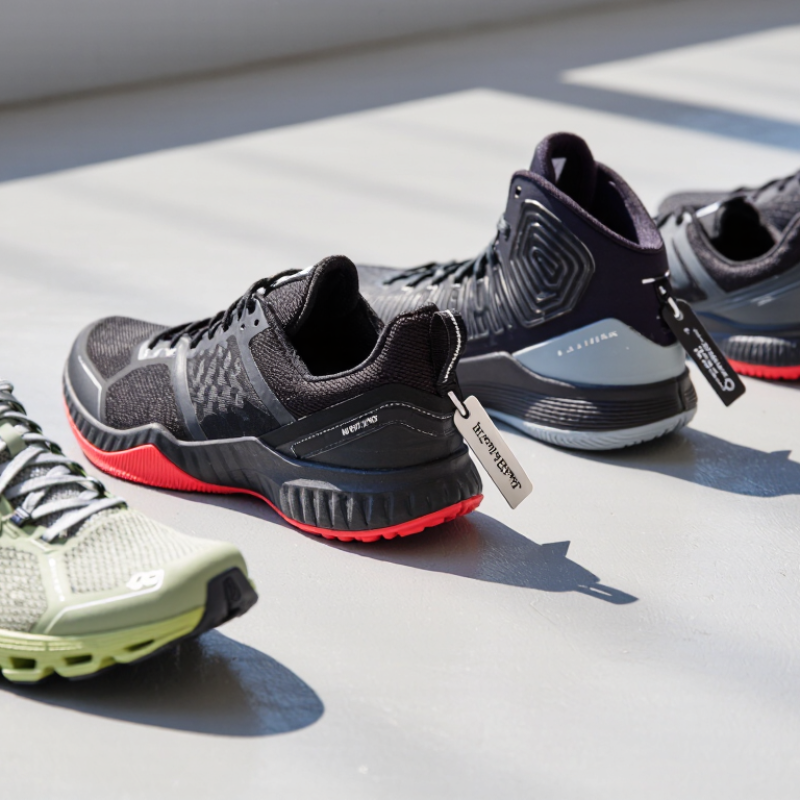
Defining the product type is more useful than chasing one “best” sports shoe. Running shoes usually feature cushioned midsoles, flexible forefoot areas, and breathable uppers. They suit road runners and everyday walking customers. Training shoes offer wider platforms and stronger lateral support. They work better for gym sessions, circuit training, and mixed movement. Court shoes need controlled traction and stable sidewalls for repeated stops and turns. These differences affect returns, sizing complaints, and shelf placement.
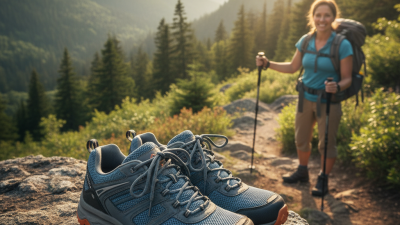
Outdoor buyers may need hiking or trail shoes with deeper lugs, protective toe caps, and water-resistant materials. Walking shoes usually emphasize comfort, moderate cushioning, and easy flex. Lifestyle athletic shoes borrow sports styling but may not support demanding exercise. The distinction matters. A fashionable sole is not automatically a performance sole. Grand View Research valued the global athletic footwear market at about 152.5 billion dollars in 2023 and forecast a 5.3% annual growth rate from 2024 to 2030. That growth creates opportunity, but it also makes category mistakes expensive.
Wholesale buyers should compare intended use, upper materials, outsole rubber, heel-to-toe drop, and size coverage. Regional demand deserves attention too. The World Footwear Yearbook 2024 reported that Asia produced more than four-fifths of global footwear in 2023, showing how concentrated supply has become. Still, production scale does not guarantee consistent quality. I would request wear samples, inspect flex points, and test grip on dry and damp floors. Fit still wins. A broad assortment can look impressive, yet too many similar training models may leave running customers underserved.
What Is the Best Type of Sports Shoes for Wholesale Buyers?
Main sports shoe categories differ in cushioning, stability, traction, and heel-to-toe drop. The chart uses representative midpoint values from common market specifications; actual products vary by design and use.
Running shoes generally have higher heel-to-toe drops for forward motion and cushioning, while training and football shoes usually use lower drops for stability and ground feel. A balanced wholesale assortment can combine running, training, basketball, football, and trail categories to serve different customer needs.
Matching Shoe Categories with Different Sports and Customer Needs
What Is the Best Type of Sports Shoes for Wholesale Buyers?
Matching Shoe Categories with Different Sports and Customer Needs
For wholesale buyers, the best sports shoe depends on the activity, climate, and customer profile. Running shoes need lightweight cushioning, breathable uppers, and flexible forefoot movement. Training shoes require a wider base for lifting, jumping, and quick lateral steps. Their soles should feel stable on indoor floors. Court shoes need strong side support and non-marking outsoles. Trail shoes demand deeper lugs, reinforced toes, and better water resistance. One category cannot satisfy every customer.
Walking shoes often serve older buyers, commuters, and workers who stand for long hours. Look for soft collars, reliable arch support, and durable heel counters. For casual fitness customers, comfort may matter more than advanced performance features. A common buying mistake is choosing appearance before testing fit and outsole grip. That decision can increase complaints.
Tips: Request sample pairs in several sizes. Test them on the surfaces your customers use. Check stitching, glue lines, insole recovery, and outsole wear after repeated movement. Ask suppliers for material details and size measurements. Do not trust a size chart blindly; fit can vary between shoe shapes. A small trial order is safer than a large assumption.
Comparing Materials, Construction, Comfort, and Performance Features
For wholesale buyers, shoe selection starts with material behavior, not appearance. Engineered mesh keeps weight low and allows airflow during long shifts or training sessions. Synthetic leather resists light rain and wipes clean, but it may trap heat. Rubber outsoles usually improve grip on smooth floors. Their compound and tread pattern matter more than thickness alone. I inspect seams, eyelets, and heel counters before judging a sample. A loose stitch can become a return problem.
Construction determines how consistently a pair performs across different feet. A stitched-and-bonded upper often handles repeated flexing better than glue alone. However, extra reinforcement can make the shoe rigid and less comfortable. Fit needs practical testing. I ask testers to walk, turn, and stand for several hours. A padded collar should reduce rubbing without collapsing under pressure. The insole needs moderate cushioning, stable arch support, and enough toe room. Softness can feel impressive in five minutes, yet fatigue may appear later.
Performance features should match the buyer’s market and use case. For court footwear, lateral stability and non-marking traction deserve close attention. For daily walking, shock absorption, flexibility, and breathable lining may matter more. Weight also affects shipping cost and customer satisfaction. Wholesale teams should request several sizes and test pairs on the intended surface. Check outsole wear after repeated bends, not after one showroom step. Some evaluations remain subjective, especially when foot shapes differ. That is where my judgment can be wrong. Clear records of defects, fit feedback, and material specifications make reordering safer.
Evaluating Sizing, Quality Standards, Pricing, and Order Requirements
The best sports shoes for wholesale buyers must fit the target market, not just look attractive in a catalog. Start with a clear size range, including half sizes where demand supports them. Measure the insole, heel width, and toe box separately. A size label alone can hide major differences. Request a physical sample before approving bulk production. Test it with different socks and movement patterns. Comfort matters.
Quality should be checked through repeatable standards. Inspect stitching, adhesive coverage, outsole flexibility, and heel stability. Ask for material specifications and independent test records when available. A reliable supplier should explain production tolerances, inspection methods, and defect handling. Pricing needs more than a low unit cost. Include sample fees, packaging, shipping volume, and possible rework expenses. Cheap shoes can become expensive when returns increase.
Order requirements also shape the right product choice. Confirm minimum order quantities, color ratios, size ratios, production time, and replacement policies in writing. Smaller trial orders reduce risk, but they may raise the unit price. I once trusted a neat size chart and skipped a wear test; the toe box felt narrow after several hours. That mistake changed my process. Now, I compare supplier data with real user feedback before placing a larger order. Some buyers still overestimate appearance and underestimate repeat comfort. That is a costly assumption.
Choosing Reliable Suppliers and Building a Profitable Wholesale Range
What Is the Best Type of Sports Shoes for Wholesale Buyers?
Choosing Reliable Suppliers and Building a Profitable Wholesale Range
Wholesale buyers should choose sports shoes by customer use, not appearance alone. Running, training, walking, and court shoes require different cushioning, grip, and upper support. A practical range usually combines lightweight daily trainers, durable training shoes, and affordable walking models. Avoid excessive variety. Too many similar sizes can trap cash in slow-moving inventory.
Supplier reliability matters more than a low factory quotation. Ask for material specifications, production timelines, quality inspection records, and sample approval procedures. Test heel stability, outsole flexibility, stitching, and odor after storage. Request a clear size chart and replacement policy. Small details protect margins. The World Footwear Yearbook 2024 reported that Asia produced 87.4% of global footwear in 2023, making regional supplier comparison especially important. However, location alone does not prove consistency.
Build pricing from landed cost, including freight, duties, packaging, inspections, and expected returns. The World Footwear Yearbook also reported global footwear production of about 23.9 billion pairs in 2023, showing intense supply competition. Buyers should negotiate carefully, but unrealistic prices often signal weaker materials or unstable labor planning. I would not trust one successful sample. Repeat production can expose flaws. A pilot order, followed by wear testing and customer feedback, gives better evidence. Track sell-through by color, size, and use case before expanding the range. Profit may come from fewer dependable styles, not a crowded catalog.