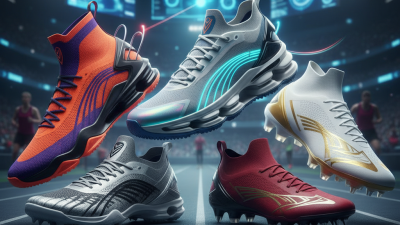
How to Choose the Best Sports Footwear for Your Activities?
Choosing the right sports footwear can significantly impact your performance and comfort. According to Dr. Emily Chen, a renowned sports footwear expert, "The right shoes can either make or break your game." This insight emphasizes the importance of selecting the perfect pair for your activities, whether running, basketball, or hiking.
When considering sports footwear, several factors come into play. Fit and support are crucial for preventing injuries. Your choice should reflect your unique foot shape and arch type. Many athletes overlook this. They often choose based on style instead of fit. However, skipping this critical aspect can lead to discomfort and injuries later on.
The material and design also bear significance. Breathability and traction are vital for peak performance. Make sure to assess these features before making a purchase. Remember, investing time in finding the right sports footwear not only enhances your performance but also your overall enjoyment of the activity. It's worth the effort to make the right choice.
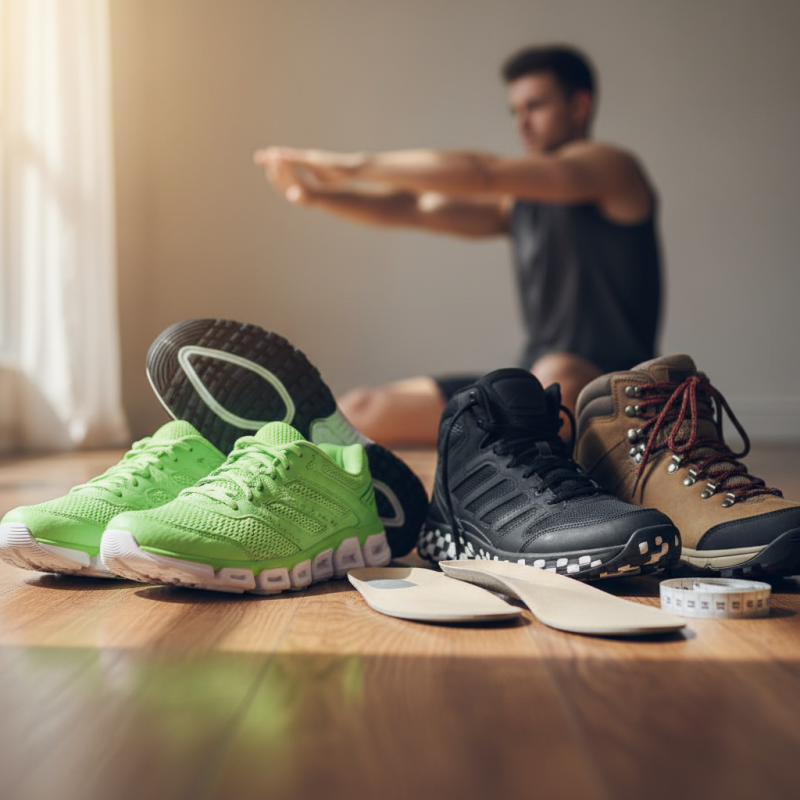
Understanding Your Specific Sport and Its Footwear Requirements
Choosing the right footwear is vital for any sport. Every activity has unique demands. For instance, running requires shoes that provide shock absorption and stability. Basketball shoes should offer ankle support and grip for quick turns. Understanding these requirements is key to selecting the best shoes for your needs.
Tips: Always try on shoes in the evening. Your feet swell throughout the day. This helps in finding the perfect fit. Focus on comfort over style. If the shoe feels off, it likely won't perform well during your activity.
Consider the terrain you'll be on. Trail running shoes have more traction than road running ones. This can make a big difference in performance. However, don’t feel pressured to stick with what everyone else is wearing. Reflect on your experience to find what works for you.
Assessing Your Foot Type and Gait for Optimal Comfort
When choosing sports footwear, understanding your foot type and gait is essential for comfort. Each foot is unique. Some have high arches, while others are flat. Knowing your foot shape helps narrow down options. It's important to analyze foot width as well. A narrow shoe may cause discomfort, while a wide one could lead to blisters. These details matter.
Pay attention to how you walk or run. Your gait affects which footwear suits you best. A neutral gait means you can wear various styles. Overpronators, however, should look for shoes that offer extra support. Watching yourself walk can reveal patterns. If your feet roll inward or outward, address this. It’s not always easy to identify these issues. Consulting a professional can provide clarity.
Try shoes on at the end of the day. Feet swell, and this is when you want to assess comfort. Walk around in the store. Take your time. If a shoe pinches or feels awkward, it likely won’t improve over time. Listen to your instincts. Small adjustments can lead to big changes in performance. Don’t overlook these factors when selecting your ideal sports footwear.
Evaluating Material Durability and Breathability in Sports Shoes
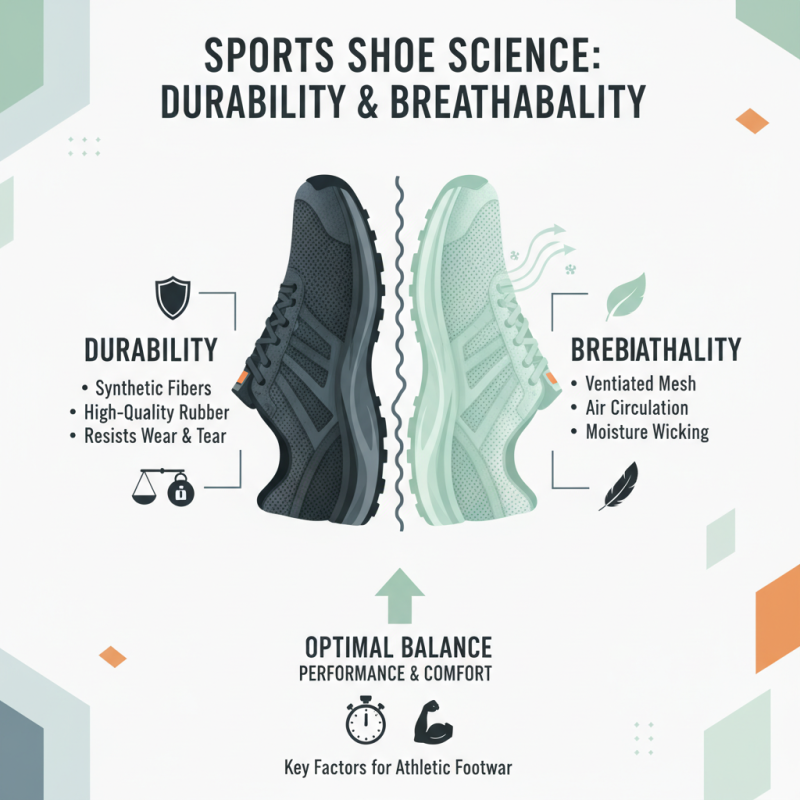
When selecting sports footwear, material durability and breathability are crucial factors. A pair of shoes may look great, but if they wear out quickly, your money is wasted. Durable materials like synthetic fibers and high-quality rubber ensure your shoes withstand various activities. However, sometimes, durability can come at a cost: weight. Heavier shoes can slow you down. It's essential to find a balance between sturdiness and agility.
Breathability impacts your comfort during workouts. Shoes with mesh panels or moisture-wicking liners allow air to flow freely. This feature keeps your feet dry and reduces the risk of blisters. On hot days, breathable footwear can be a game changer. Yet, some breathable materials might compromise durability. Shoes that breathe well might not last as long under harsh conditions. Always consider your specific needs.
Reflecting on your activities is vital. Are you running on trails or hitting the gym? Each environment requires different footwear. Take time to evaluate what works best for you. Trying on various styles and paying attention to how they feel can guide your decision. Don't rush; the right fit often requires thoughtful consideration.
Choosing the Right Fit and Size for Enhanced Performance
Choosing the right fit and size in sports footwear is crucial for optimal performance. A study by the American Academy of Podiatric Sports Medicine reveals that over 70% of athletes wear the wrong shoe size. This mismatch can lead to injuries and discomfort. A proper fit can enhance stability and reduce fatigue during activities.
When selecting footwear, measuring your feet is essential. Feet can change in size with age or after an injury. So, always measure both feet, as one is often larger. It’s common to feel a bit of pressure. However, shoes should not cause pain. Pay attention to the width and feel. Shoes that are too tight can lead to blisters and calluses. A neat fit allows for a thumb's width of space at the toe box.
While many prioritize aesthetics, performance should come first. Research shows that ill-fitting shoes can decrease efficiency by up to 20%. Always consider activities you're engaging in. Running shoes differ from cross-training shoes. Taking the time to ensure an accurate fit can prevent future issues. Your feet deserve the same attention as the rest of your gear.
How to Choose the Best Sports Footwear for Your Activities?
| Activity Type |
Preferred Footwear Features |
Recommended Fit |
Typical Sizes Available |
| Running |
Cushioning, Breathability, Lightweight |
Snug fit with room in the toe box |
US 6-12, EU 36-46 |
| Basketball |
Ankle Support, Traction, Stability |
Fitted around the ankle, snug in the forefoot |
US 7-14, EU 39-48 |
| Hiking |
Durability, Water Resistance, Traction |
Comfortable fit with thick socks |
US 5-11, EU 35-44 |
| Soccer |
Ball Control, Lightweight, Firm Ground Traction |
Snug fit, close to the foot |
US 6-12, EU 36-46 |
| Tennis |
Stability, Court-Specific Traction, Cushioning |
Fitted heel, ample forefoot space |
US 5-11, EU 35-44 |
Considering Style and Budget When Selecting Sports Footwear
When selecting sports footwear, style and budget are crucial factors. Research shows that up to 80% of consumers prioritize aesthetics when making purchases. People often feel more motivated to exercise when they like how their shoes look. The colors, design, and overall vibe can be significant. A stylish pair can boost confidence and encourage you to hit the gym or trail.
Budget considerations cannot be ignored. A report from the Sporting Goods Manufacturers Association indicates that nearly 70% of athletes feel financial constraints when buying gear. This pressure leads many to sacrifice quality in favor of low prices. However, investing in well-made footwear can prevent injuries and improve performance. While it’s tempting to opt for cheaper options, it’s essential to balance cost and quality. Reflecting on long-term benefits could save money in the end.
Not everyone has the luxury to splurge on high-end shoes. This reality can create frustration. The right shoes can elevate an activity. But, it can be overwhelming to find a perfect fit without going over budget. Keeping an eye on sales or exploring outlet options might help. A thoughtful approach can lead to better choices and more fulfilling sports experiences.