How to Choose the Best Hiking and Running Shoes for You?
Choosing the right hiking and running shoes is crucial for enhancing your outdoor experience. The market for these shoes has grown significantly, with a 15% increase in outdoor footwear sales reported by the Outdoor Industry Association. This surge highlights the importance of selecting shoes that provide comfort and support. According to Dr. Sam Wong, a leading expert in sports medicine, "The right footwear can be the difference between an enjoyable hike and a painful experience."
Hiking and running require different shoe features. For hiking, traction and durability are vital for tackling rugged terrains. In contrast, running shoes prioritize cushioning and flexibility for agility. A study published in the Journal of Sports Sciences indicates that improper footwear can lead to injuries. Despite this knowledge, many adventurers still choose based on style rather than functionality.
Understanding your foot type and gait can guide you in choosing the best hiking and running shoes. Many people underestimate the importance of fit. An improper fit can lead to blisters or more severe injuries. The landscape of shoe technology evolves continually, making it essential to stay informed about new options. As you explore your options, remember that each pair of shoes tells a story of past adventures, trials, and triumphs.
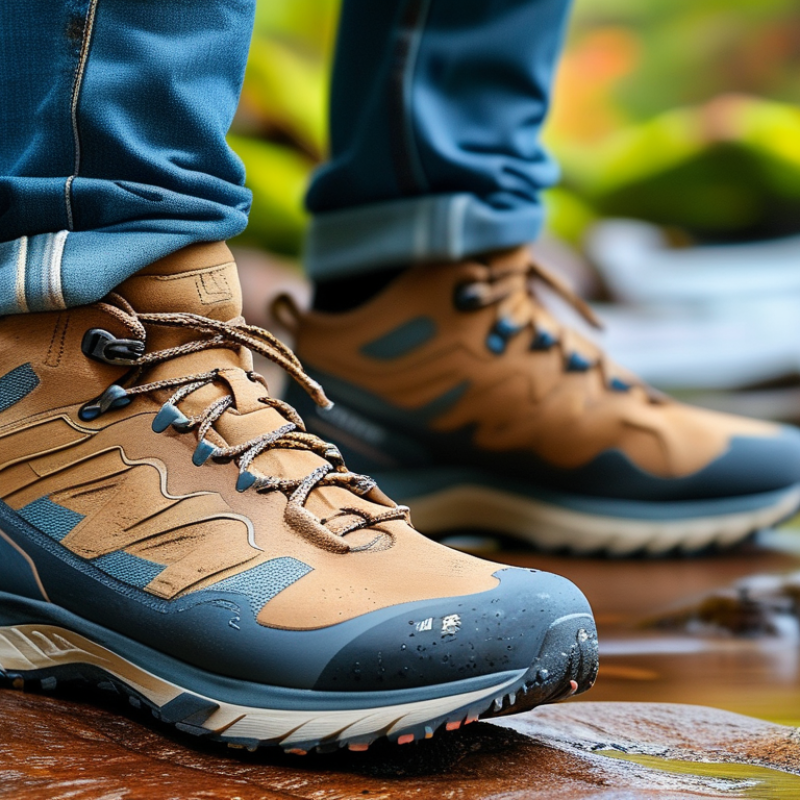
Understanding Your Foot Type and Gait for Optimal Shoe Fit
Choosing the right hiking and running shoes starts with understanding your foot type. Everyone's feet are unique. Some have high arches, while others may have flat feet. Your arch type significantly impacts how you move and the type of support you need. It’s crucial to know your foot's shape to find a suitable shoe.
Next, consider how you walk or run, known as your gait. A neutral gait means your foot rolls inwards slightly after landing. Overpronators roll in too much, while supinators roll outward. Each gait requires different features in a shoe. Test your shoes at the store; walk around to feel the difference. Note how they fit and respond to your movement. This initial experience can reveal much about the shoe's compatibility with your foot.
In this journey, listen to your body. If your feet ache after a hike or run, rethink your choices. Shoes that don't fit well can lead to pain or injury. It might take time to find the perfect pair, so don’t rush. Collect feedback from your experiences. Adjust your choices based on what you learn about your foot type and gait. Finding the right shoes is a personal journey—reflect on it and choose wisely.
Key Features to Look for in Hiking and Running Shoes
When selecting the best hiking and running shoes, consider key features that enhance your experience. Start with fit and comfort. Shoes should feel snug but not restrictive. Try them on with appropriate socks. Pay attention to heel support and arch type. This ensures stability during long hikes or runs.
Traction is vital for both hiking and running. Look at the sole design. Deep lugs on the outsole offer better grip on uneven terrain. Lightweight materials can help ease fatigue, especially on longer adventures. Cushioning is another aspect to ponder. Too much cushioning can lead to instability, while too little can cause discomfort over time.
Breathability should not be overlooked. Shoes need proper ventilation to keep feet dry. This prevents blisters and maintains comfort. Reflect on your specific hiking or running conditions. Wet paths require different tread than dry trails. Testing shoes under real conditions before buying can save future regrets. Ultimately, personal comfort and your unique needs should guide your choice.
Evaluating Cushioning, Support, and Traction Needs
When selecting the best hiking and running shoes, cushioning, support, and traction should be your primary focus. Cushioning absorbs impact, which is crucial for long hours on your feet. Too little cushioning can lead to discomfort and injuries. Try shoes with varying levels of padding. Walk on different surfaces to assess how it feels.
Support is equally important, especially for those with specific foot types. Flat arches may require more arch support, while those with high arches may need shoes that offer stability. Don't rush the process. Test shoes for a few days before making a final decision. Your needs could change with different terrains.
Traction is often overlooked. Consider where you'll be running or hiking. Shoes designed for wet conditions will have deeper treads. If you plan to traverse rocky paths, opt for shoes with robust outsoles. Take time to find a balance. Each shoe has unique strengths. Open your mind to various styles, even if they seem unconventional.
Evaluating Cushioning, Support, and Traction Needs in Hiking and Running Shoes
This chart evaluates the importance of cushioning, support, and traction in hiking and running shoes based on a scale of 1 to 10. As shown, traction is the most critical feature, followed closely by cushioning and support.
Trying on Shoes: Tips for Finding the Perfect Fit
Finding the perfect fit for hiking and running shoes is crucial. It begins with understanding your foot shape. Most people have unique arches and widths. A comfortable shoe should hug your foot without causing pressure.
When trying on shoes, wear the socks you usually use while hiking or running. Walk around the store; test them thoroughly. Look for space between your toes and the end of the shoe. A thumb's width is often a good rule. Don’t hesitate to try different styles or sizes, even if it feels imperfect.
Remember, your feet may swell during activities. It’s wise to shop later in the day when your feet are at their largest. Pay attention to any tight spots or rubbing. These could lead to blisters on the trail or road. Take notes on what feels right and wrong. It takes time to find the best option, but your comfort is essential for enjoying the journey ahead.
Considering Terrain and Weather Conditions for Shoe Selection
When selecting hiking and running shoes, terrain and weather conditions play a crucial role. A study published by the Journal of Sports Sciences indicated that different surfaces can impact biomechanics. For instance, trail running shoes provide better traction on rugged terrain. In contrast, road shoes are optimized for smooth surfaces. This differentiation can help reduce the risk of injuries while maximizing performance.
In rainy or wet conditions, shoes with waterproof membranes can keep your feet dry. Reports show that moisture management improves comfort, reducing fatigue during prolonged activities. Breathability is also essential. Shoes that allow airflow help regulate temperature, especially in warmer climates. Thus, consider materials that balance waterproofing with breathability.
Tips: Choose shoes with adequate cushioning for hard surfaces. A good rule of thumb is a 4-5 mm drop for stability. Pay attention to your foot shape. A proper fit can prevent blisters on long hikes or runs. Don't underestimate the importance of trying shoes with the socks you'll wear; this can affect fit and comfort. Remember, investing time in finding the right shoe can enhance your hiking or running experience significantly.
How to Choose the Best Hiking and Running Shoes for You? - Considering Terrain and Weather Conditions for Shoe Selection
| Shoe Type |
Best For |
Terrain |
Weather Conditions |
Cushioning Level |
| Trail Running Shoes |
Running on rugged trails |
Off-road, rocky terrain |
Wet or dry conditions |
Moderate to High |
| Hiking Boots |
Hiking longer distances |
Mixed terrains, forests |
Rainy or snowy conditions |
High |
| Road Running Shoes |
Pavement or smooth surfaces |
Urban terrain |
Sunny or mild weather |
Light to Moderate |
| Lightweight Trail Shoes |
Fast-paced trail running |
Hardpack trails |
Dry conditions |
Low to Moderate |
| Waterproof Hiking Shoes |
Wet and muddy trails |
Swamps and wetland areas |
Rainy or moist weather |
Moderate |