How to Choose the Best Sports Insoles for Your Needs?
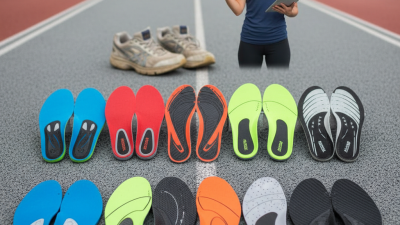
Selecting the right sports insoles is crucial for athletes and active individuals. According to a report by the American Podiatric Medical Association, nearly 70% of athletes experience foot pain during their activities. Sports insoles can help alleviate discomfort and improve performance by providing essential arch support and cushioning.
The market for sports insoles is expected to grow significantly, driven by increased awareness about foot health. A study by Statista suggests that the global insoles market will reach over $3 billion by 2026. However, many consumers struggle to identify optimal insoles tailored to their unique needs. This can lead to unsatisfactory purchases and continued discomfort.
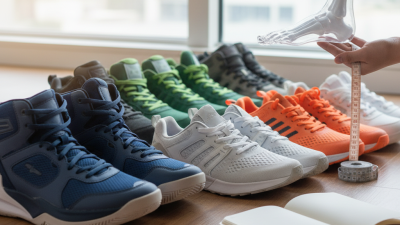
Understanding your foot type and the specific demands of your sport is paramount. Some insoles may prioritize shock absorption, while others focus on stability. Both are vital for different sports. Ultimately, choosing the best sports insoles involves research, personal experience, and sometimes trial and error. Balancing professional advice with personal comfort can significantly enhance your athletic experience.
Factors to Consider When Choosing Sports Insoles
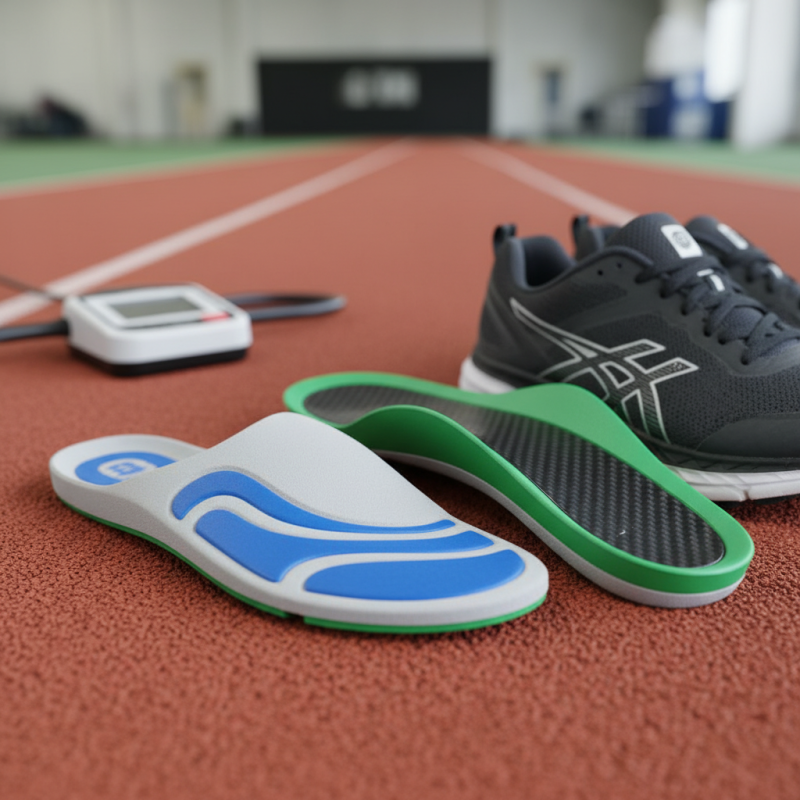
When selecting the best sports insoles, several key factors must be considered to enhance performance and prevent injury. Research indicates that nearly 70% of athletes experience foot discomfort. This statistic underscores the importance of choosing the right support system for your feet. A well-designed insole can help distribute pressure evenly, absorbing shock and reducing fatigue. Look for insoles that offer arch support tailored to your foot type. Custom-fit options may benefit those with high arches or flat feet, giving personalized comfort.
Another critical aspect is the material of the insoles. Gel and foam options tend to offer better cushioning, while more rigid materials can provide stability during high-impact activities. A study by the American Podiatric Medical Association found that athletes who used specialized insoles experienced a 40% reduction in foot pain. This shows the positive impact that the right choice can have on your performance. Be mindful of the insoles' thickness, as overly thick options may affect shoe fit and overall comfort. You may need to try various designs to find the best fit for your particular needs.
How to Choose the Best Sports Insoles for Your Needs?
Different Types of Sports Insoles Available in the Market
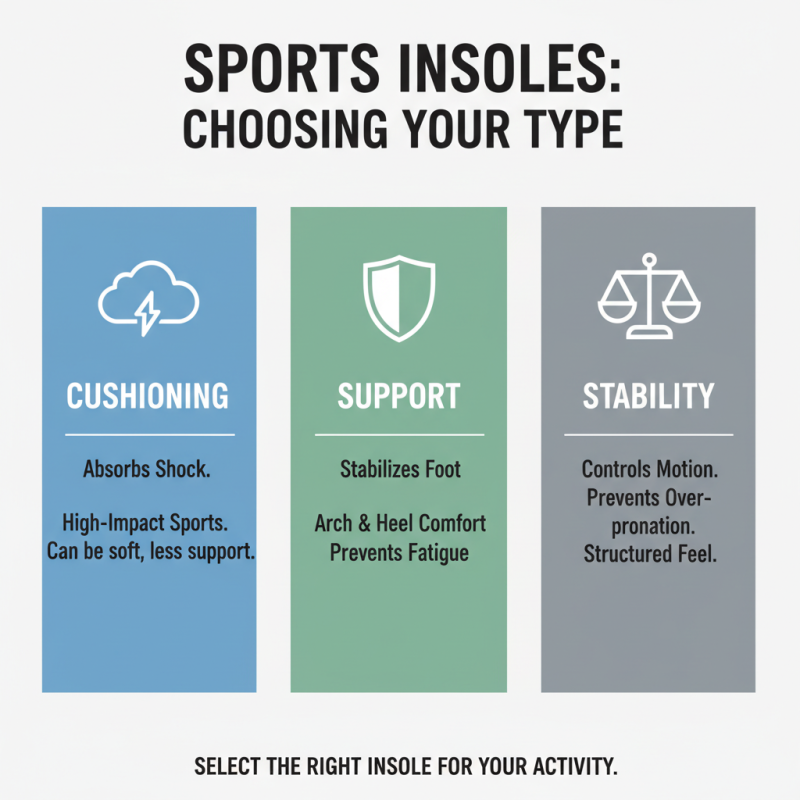
When selecting sports insoles, it’s crucial to understand the different types available. There are insoles designed for cushioning, support, and stability. Cushioned insoles often include materials that absorb shock. They’re great for athletes who participate in high-impact sports. However, some may find them too soft, lacking necessary support.
Supportive insoles cater to individuals with specific foot issues. These insoles often feature arch support to align the foot correctly. They can be beneficial for runners and those with flat feet. Yet, some users may experience discomfort until they acclimate to the additional support.
Lastly, stability insoles focus on maintaining balance during activities. They are useful for sports that require quick lateral movements. However, they also might limit some foot flexibility, which could be a drawback for various athletes. Each type serves a unique purpose, but finding the right one often involves trial and error. It’s essential to consider personal foot shape, activity type, and any pre-existing conditions while making a choice.
Understanding Your Foot Type and Arch Support Needs
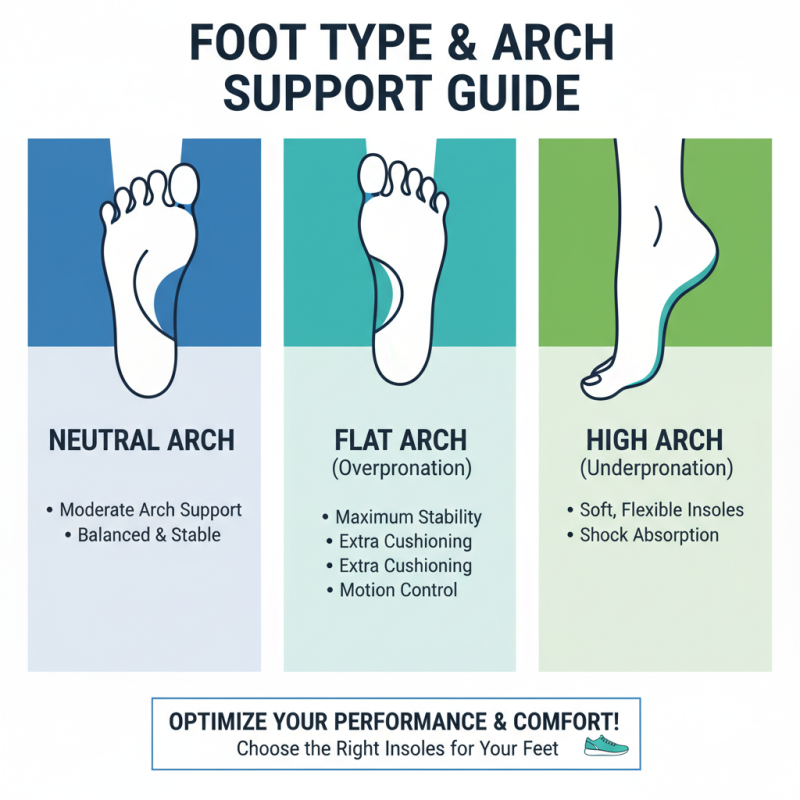
Understanding your foot type is crucial when selecting sports insoles. There are three main foot types: neutral, flat, and high-arched. Each type requires different arch support. A neutral foot typically needs moderate arch support. This shape offers balance and sturdiness during movement. Flat feet, or overpronators, benefit from more stability. They often require insoles with additional cushioning. High-arched feet need softer, more flexible insoles, allowing better shock absorption.
The arch of your foot also plays a significant role in comfort and performance. A misaligned arch can lead to discomfort and injuries. Recognizing how your foot interacts with the ground is essential. Some people may experience pain after intense workouts. Others might feel fine but notice fatigue in their feet. Listening to these signals is vital for choosing the right insoles. Don’t rush the decision; reflection can lead to better choices tailored to your needs.
Evaluating Cushioning and Shock Absorption Features
When selecting sports insoles, focus on cushioning and shock absorption features. Proper cushioning lends comfort and support, crucial for athletes. Look for materials like gel or foam, known for their ability to absorb impact. This is essential during high-impact activities such as running or jumping.
Choosing the right level of cushioning depends on personal preference and sport type. For example, runners may benefit from softer insoles that reduce fatigue. Conversely, team sports may require firmer support for stability. Remember, everyone's feet are different, and what works for one might not work for another.
**Tips:** Test insoles in-store, if possible. Walk or jog briefly to evaluate comfort. Don’t rush the decision; your feet deserve attention. Keep in mind, too much cushioning can lead to instability. Finding a balance is key for optimum performance. Adjustments may be needed after a few uses to ensure fit and support remain aligned with your needs.
How to Choose the Best Sports Insoles for Your Needs? - Evaluating Cushioning and Shock Absorption Features
| Insole Type |
Cushioning Level |
Shock Absorption |
Material |
Best Use |
| Gel Insoles |
High |
Excellent |
Gel |
Running, Walking |
| Foam Insoles |
Medium |
Good |
Foam |
Casual Wear |
| Orthotic Insoles |
Variable |
Good |
Polymer |
Sports, Therapeutic |
| Leather Insoles |
Low |
Fair |
Leather |
Everyday Use |
| 3D Printed Insoles |
Medium to High |
Excellent |
TPU |
Customized Fit |
How to Test Insoles for Comfort and Fit Before Purchase
When selecting sports insoles, testing for comfort and fit is crucial. Start by assessing how well the insoles align with your arch type. Flat arches may need stability, while high arches often benefit from cushioning. According to a 2021 study published in the Journal of Foot and Ankle Research, improper arch support can lead to discomfort and even injuries. Make sure to try insoles with your shoes. Walk around the store to gauge their feel, paying attention to possible pressure points.
Consider the material of the insoles. Foam can provide excellent shock absorption, whereas gel tends to feel softer and more comfortable. A 2019 report from the American Podiatric Medical Association indicated that around 70% of participants experienced reduced pain with proper cushioning. Ensure the insoles fit snugly but not restrictively. You want ease of movement without slipping. Return policies or trial periods are worthwhile. They allow for real-world testing over time. After a week, reevaluate the comfort level. If you still experience discomfort, it may be time to reconsider your choice.