How to Choose the Perfect Tennis Shoes for Your Game?
Choosing the right tennis shoes is crucial for any player looking to improve their game. Tennis shoes are designed to provide support, stability, and comfort on the court. Renowned tennis coach Rick Macci once stated, “The right shoe can make the difference between winning and losing.” This highlights the importance of selecting the perfect footwear.
Many players overlook the specific features needed in tennis shoes. The type of court you play on matters significantly. Hard courts require more cushioning and durability. On the other hand, clay courts call for traction and flexibility. Consider your playing style as well. Do you need more support for lateral movements? These factors play a vital role in your performance.
Finding the ideal pair often involves trial and error. A shoe might look great but feel uncomfortable during a match. Always pay attention to fit and support during your search. Seek out expert opinions and player reviews. Remember, the right tennis shoes are an investment in your game, enhancing both performance and safety on the court.
Understanding the Different Types of Tennis Shoes for Hard Court Play
When selecting tennis shoes for hard court play, understanding the shoe types is crucial for performance and comfort. Hard courts require shoes that offer durability and support, given the surface's hardness. According to a report by the Sports and Fitness Industry Association, properly engineered shoes can improve a player’s footwork, making them 15% more agile.
There are three main categories of tennis shoes: performance, all-court, and recreational. Performance shoes are designed for serious athletes, providing better cushioning and agility. All-court shoes, while slightly less specialized, still deliver good support and traction. Recreational shoes are often heavier and less responsive. Surveys show that 45% of players prioritize cushion support in their footwear choices, highlighting its importance.
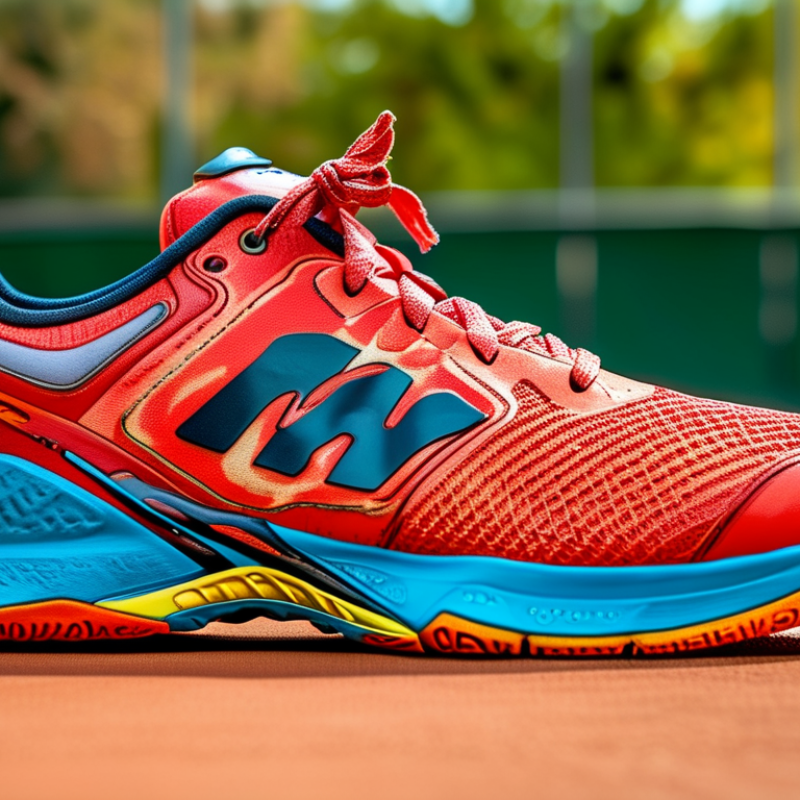
Mesh construction is another detail worth considering. Breathability impacts comfort during long matches. The wrong choice can lead to blisters, reducing on-court performance. Some players notice that laces wear out faster than expected, affecting shoe longevity. It's essential to evaluate personal playing style and foot shape to avoid discomfort or injury. The right tennis shoe is more than just a piece of equipment; it shapes your game.
How to Choose the Perfect Tennis Shoes for Your Game?
| Shoe Type |
Support Level |
Traction |
Weight |
Durability |
| Clay Court Shoes |
Medium |
Excellent |
Lightweight |
Moderate |
| Hard Court Shoes |
High |
Good |
Medium |
High |
| Grass Court Shoes |
Low |
Average |
Heavy |
Moderate |
| All Court Shoes |
Medium |
Good |
Lightweight |
High |
Key Features to Look for in Tennis Shoes: Cushioning, Support, and Stability
Choosing the right tennis shoes can significantly impact your game. Cushioning is crucial for absorbing shock on the court. Look for shoes that provide ample padding, especially around the heel and forefoot. This will help reduce fatigue during long matches. A well-cushioned shoe can make your movements more comfortable.
Support is another key feature. A good pair of tennis shoes should secure your foot adequately. Look for a design that contours to your foot shape. This ensures that your foot remains stable during quick lateral movements. Shoes without sufficient support can lead to injuries. Ensure you find a pair that feels right during trials.
Stability also matters. Tennis involves rapid changes in direction, and your shoes should support this. A stable shoe will improve your balance on the court. However, some shoes may not provide the ideal mix of cushioning and support. This might require trial and error. Analyze how different shoes feel during play. Trust your instincts, and make adjustments as needed to enhance your performance.
Importance of Fit: How Proper Sizing Affects Performance and Injury Prevention
Choosing the right tennis shoes is essential for enhancing your performance and minimizing injury risks. Fit is the most critical factor in this decision. A proper fit ensures comfort during long matches and supports your foot's natural movement.
Shoes that are too tight can cause blisters and discomfort, while shoes that are too loose may lead to instability and falls.
Pay attention to the toe box. Ensure there’s enough wiggle room for your toes. You should be able to move them freely without feeling cramped. Additionally, consider the arch support. Your arch type influences how weight is distributed on your feet. Correct support promotes better balance and can prevent injuries.
Tip: Try on shoes at the end of the day when your feet are slightly swollen. This helps you choose the size that accommodates fluctuations throughout the day. Walk around the store and mimic your movements on the court. Listen to your body; if something feels off, it probably is.
Choosing the right shoes can make a significant difference in your game. Don't rush—take your time to find the perfect fit.
Analyzing Sole Types: Understanding Grip and Traction on Various Surfaces
When selecting tennis shoes, understanding the sole type is crucial. Different surfaces require specific grip and traction levels. Hard courts, for instance, often demand a sole with durable rubber. This enables players to pivot quickly without slipping. A herringbone pattern is common for its multi-directional grip.
On clay, shoes should have a sole that provides better sliding capability. A flared design helps players slide effectively while maintaining balance. However, choosing shoes for clay can be tricky. Excessive sliding may lead to slips, risking injury.
Grass courts require another consideration. Shoes here often have small, rubber studs. These help with grip while allowing for smoother movement on the surface. Yet, not every player adjusts well to this design, which can feel unstable at first. Understanding the nuances of each surface will enhance performance significantly. Each player's comfort level with various sole types can lead to better choices and improved game strategies.
Selecting the Right Tennis Shoe Based on Your Playing Style and Skill Level
Choosing the right tennis shoes is crucial. Your playing style and skill level greatly influence this decision. For example, aggressive players often prefer shoes with enhanced lateral support. According to the Sports & Fitness Industry Association, around 75% of players consider stability a key factor when selecting their footwear.
If you play on clay courts, look for shoes with herringbone patterns. These provide better traction, allowing for quick pivots. Players with a baseline style may benefit from shoes that offer more cushioning. This can help absorb impact during long rallies.
Training data reveals that players who invest in proper shoes report an increase in on-court performance. However, many overlook the importance of fit. A poor fit can lead to discomfort and affect your game. It’s essential to try on shoes at the end of the day when your feet are swollen to ensure a good fit. Remember, getting feedback from fellow players can be invaluable, yet everyone’s foot shape is unique.