How to Choose the Best Athletic Shoes for Your Needs?
Choosing the right athletic shoes can be a challenging task. There are many options available, making it difficult to find what truly fits your needs. Athletic shoes are not just about style; they must support your activities, whether running, playing basketball, or hitting the gym.
Consider your foot type. People often overlook this factor. Are your arches high, low, or neutral? This affects the shoe's fit and comfort. A poorly fitted shoe can lead to injuries. Look for features that cater to your specific sport. Cushioning, support, and stability are essential for performance.
Don’t forget about trying on different brands. Each offers unique sizing and designs. Some shoes may feel perfect in the store but uncomfortable on the track. Take time to reflect on your choices. You might discover hidden preferences that enhance your workouts.
Understanding Your Foot Type and Its Impact on Shoe Choice
Choosing the right athletic shoes starts with understanding your foot type. Feet vary widely. They can be flat, high-arched, or neutral. Each type affects your shoe choice, comfort, and performance. According to the American Podiatric Medical Association, up to 75% of people experience foot issues. Ignoring foot type can lead to pain.
Tips for flat-footed individuals: seek supportive shoes with better arch support. Look for extra cushioning. A study by the American Orthopaedic Foot & Ankle Society found that athletes with proper arch support reported fewer injuries. Those with high arches often need shoes with added flexibility.
Take time to evaluate your feet. Consider having a professional foot assessment. Not every shoe fits all foot types. It's crucial to try different styles and sizes. Remember, a snug fit prevents blisters. However, don’t go too tight. Reflect on your previous experiences; what worked, what didn’t? Keep in mind, comfort is key, but proper support is essential.
Identifying the Specific Athletic Activity and Its Requirements
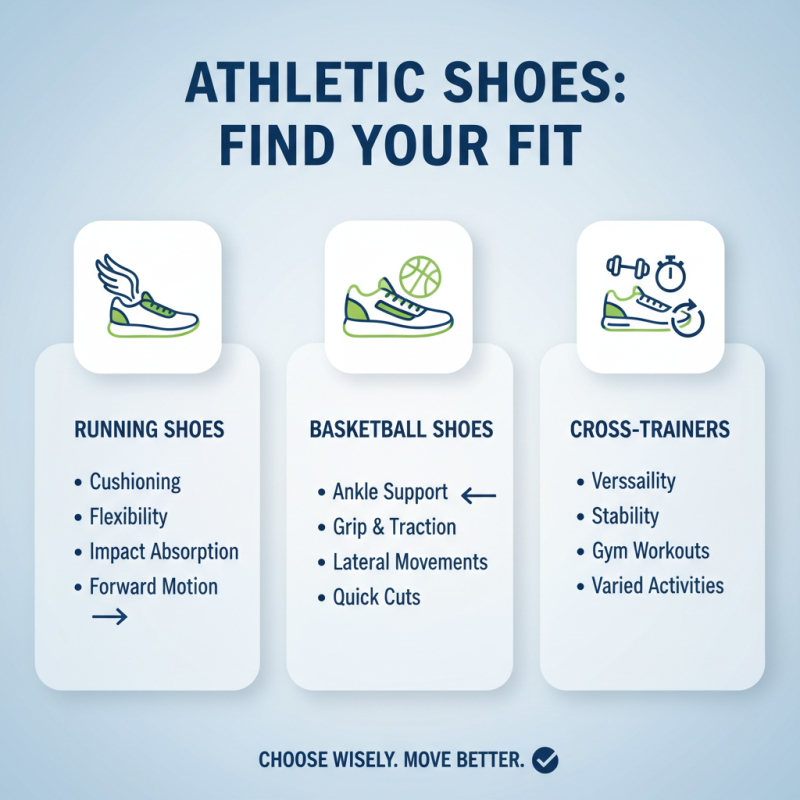
Choosing the right athletic shoes starts with understanding your specific activity. Different sports require different support and traction. For example, running shoes prioritize cushioning and flexibility. They help absorb impact with each stride. Meanwhile, basketball shoes need ankle support and grip for quick lateral movements.
Consider the surface you’ll be on. Trail running shoes have thicker treads for off-road terrain, while court shoes have flat soles for stability on indoor surfaces. Think about your foot type too. Some people have high arches and need extra support, while others may benefit from more room in the toe box.
It's not just about the look of the shoe. Aesthetic appeal can mislead your choice. Remember the fit matters more than the brand. A well-fitted shoe can significantly enhance performance. Test them out before you commit. Walk, jog, or even perform a few jumps. Reflect on how they feel during these movements. Don't underestimate the importance of comfort; it can make or break your workout experience.
Evaluating Key Shoe Features: Cushioning, Support, and Stability
Choosing the right athletic shoes requires careful consideration of specific features. Cushioning is essential for absorbing impact during activities. A well-cushioned sole will make your runs and jumps more comfortable. Look for materials that provide responsiveness. However, too much cushioning can lead to instability. Try different options to find the balance that suits your running style.
Support plays a crucial role in preventing injuries. Shoes should offer adequate arch support based on your foot type. If you have flat feet, look for shoes that provide extra support. People often overlook this aspect and face problems later. Stability is another vital feature to evaluate. A stable shoe prevents excessive foot movement. This can help maintain proper alignment during physical activities, especially for lateral movements.
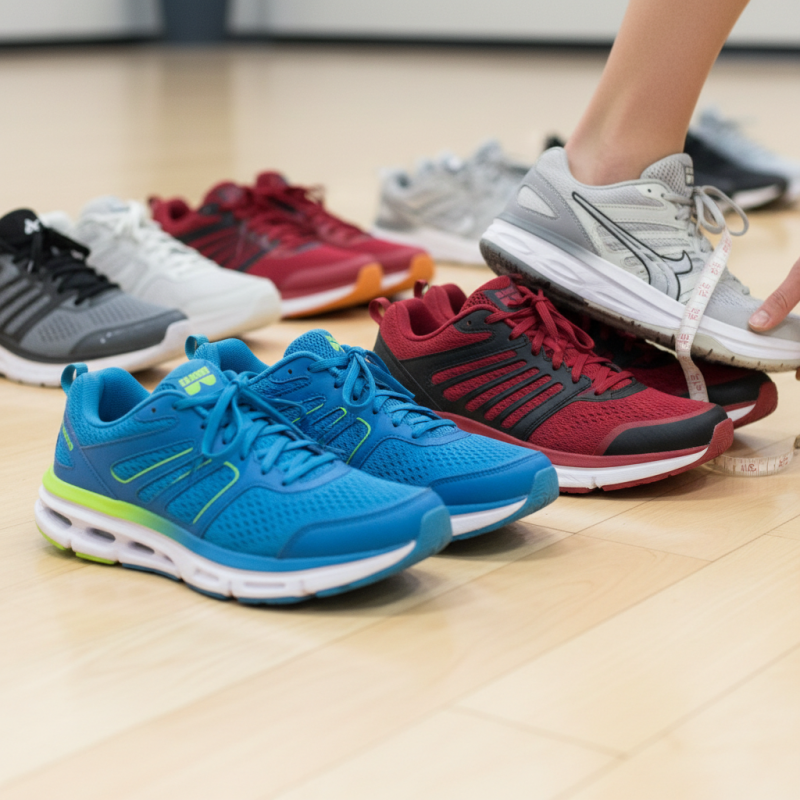
Don’t forget the fit. Shoes should feel snug but not overly tight. Sometimes, people buy shoes that look good rather than those that feel good. This mistake can lead to discomfort. Be mindful of your foot's width and heel size. Trying shoes on with athletic socks is a good practice. Remember, what works for someone else might not work for you.
Choosing the Right Fit: Sizing and Comfort Considerations
Choosing the right athletic shoes starts with understanding sizing and comfort. Many people underestimate the importance of fit. According to a study, nearly 70% of individuals wear shoes that don’t fit properly. This can lead to discomfort and even injuries.
Foot shape varies widely. Consider factors like arch type and foot width. Each person has unique needs. For instance, those with flat feet may require added support. A foot scanner can provide precise measurements. It helps individuals find shoes that accommodate their specific foot shape.
Moreover, comfort is deeply personal. What feels great to one might not suit another. It’s recommended to try shoes in the afternoon when feet are slightly swollen. This simulates the conditions during exercise. Remember to walk around. Testing shoes thoroughly can reveal issues you might not notice while standing still.
Best Athletic Shoes Sizing and Comfort Considerations
This chart illustrates the comfort ratings associated with different athletic shoe sizes. Each size is rated based on user feedback, helping you to choose the best fit for your needs.
Exploring Top Athletic Shoe Brands and Their Offerings
When searching for the right athletic shoes, brand offerings play a critical role. Various companies provide distinct benefits tailored to different activities. According to a recent report by MarketResearch.com, the global athletic footwear market reached approximately $64 billion in 2021, with a projected compound annual growth rate (CAGR) of 4.5% through 2026. This growth underscores the importance of variety in the market.
Some brands focus on cushioning and support, while others prioritize lightweight materials for speed. Studies indicate that shoes with ample arch support can reduce injury rates by up to 30%. This is vital for serious runners and fitness enthusiasts. On the other hand, minimalistic shoes are gaining traction among those who prefer a natural feel.
Shopping for athletic shoes may seem straightforward, yet it's often overwhelming. There are countless choices available. It's essential to consider foot shape, activity level, and personal preferences. An ideal fit means not only comfort but also enhancing performance. Review feedback from other consumers, but remember that comfort is subjective. Your choice may not align with someone else's experience.
How to Choose the Best Athletic Shoes for Your Needs?
| Shoe Type |
Best For |
Key Features |
Price Range |
| Running Shoes |
Distance Runners |
Cushioning, Lightweight, Breathable |
$60 - $200 |
| Basketball Shoes |
Court Players |
Ankle Support, Traction, Durability |
$70 - $250 |
| Cross-Training Shoes |
Multi-Disciplinary Athletes |
Versatile, Stability, Responsive |
$60 - $180 |
| Walking Shoes |
Casual Walkers |
Comfort, Shock Absorption, Flexibility |
$50 - $150 |
| Trail Running Shoes |
Outdoor Runners |
Grip, Stability, Water Resistance |
$80 - $220 |