How to Choose the Best Athletic Running Shoes for Maximum Comfort and Performance
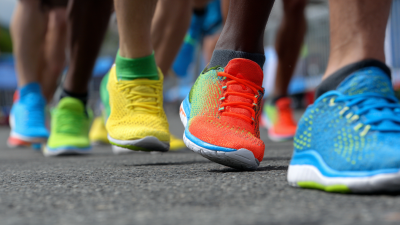
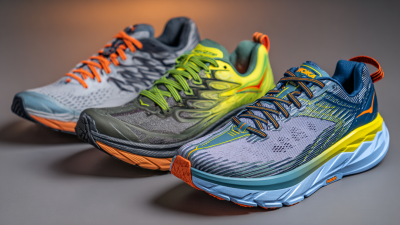
Choosing the best athletic running shoes is a critical decision for anyone serious about enhancing their running experience. Whether you're a seasoned marathon runner or a casual jogger, the right pair of athletic running shoes can make a significant difference in your overall performance and comfort. With countless options available on the market, from minimalist designs to heavily cushioned models, the process can be both exciting and overwhelming.
Understanding the unique features that athletic running shoes offer is essential in finding the perfect fit. Factors such as cushioning, support, and fit not only impact your running efficiency but also play a vital role in preventing injuries. Additionally, the terrain you usually run on and your individual running style should influence your choice. By taking the time to consider all these elements, you can make an informed decision that will enhance your performance and provide the comfort you need to push your limits.
In this guide, we will outline the key considerations to help you select the best athletic running shoes tailored to your needs. By focusing on attributes such as the type of cushioning material, foot arch support, and overall shoe structure, you’ll be better equipped to find the ideal pair that keeps you comfortable mile after mile.
Types of Athletic Running Shoes and Their Uses
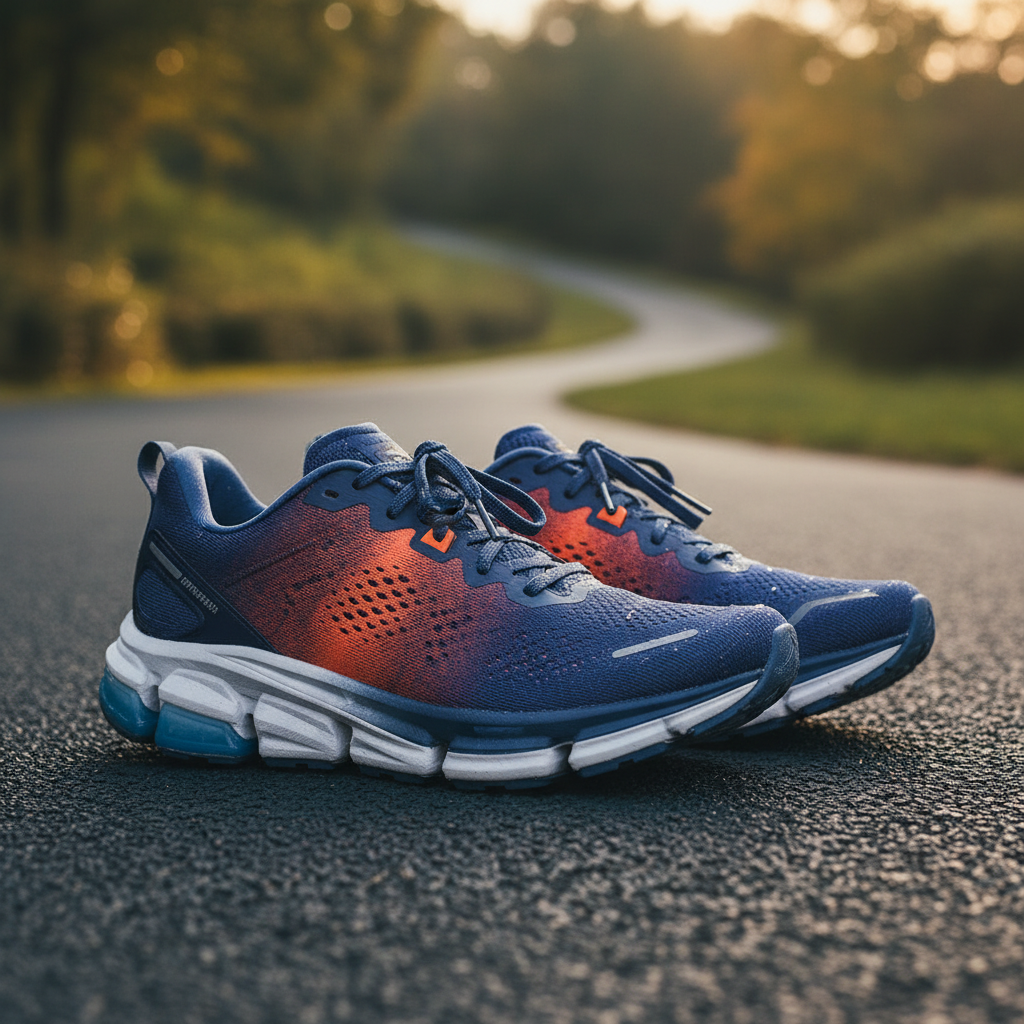
When selecting the right athletic running shoes, it's essential to understand the different types available, each designed for specific uses and running styles.
Road running shoes, for example, are ideal for pavement and light trails. They typically feature lightweight construction and a smooth outsole for efficient navigation over hard surfaces. These shoes are perfect for speed-focused runners who prioritize performance on well-maintained routes.
On the other hand, trail running shoes are built for rugged terrain and uneven surfaces. They often come with aggressive tread patterns, thicker soles, and enhanced grip to handle rocks, mud, and roots.
These shoes provide stability and protection, making them suitable for off-road enthusiasts. Additionally, there are cushioned running shoes that provide extra support for long-distance runners, promoting comfort during extended periods of activity.
Understanding these distinctions helps runners choose the shoe that best matches their specific needs and running environment.
Key Features to Consider for Comfort and Performance
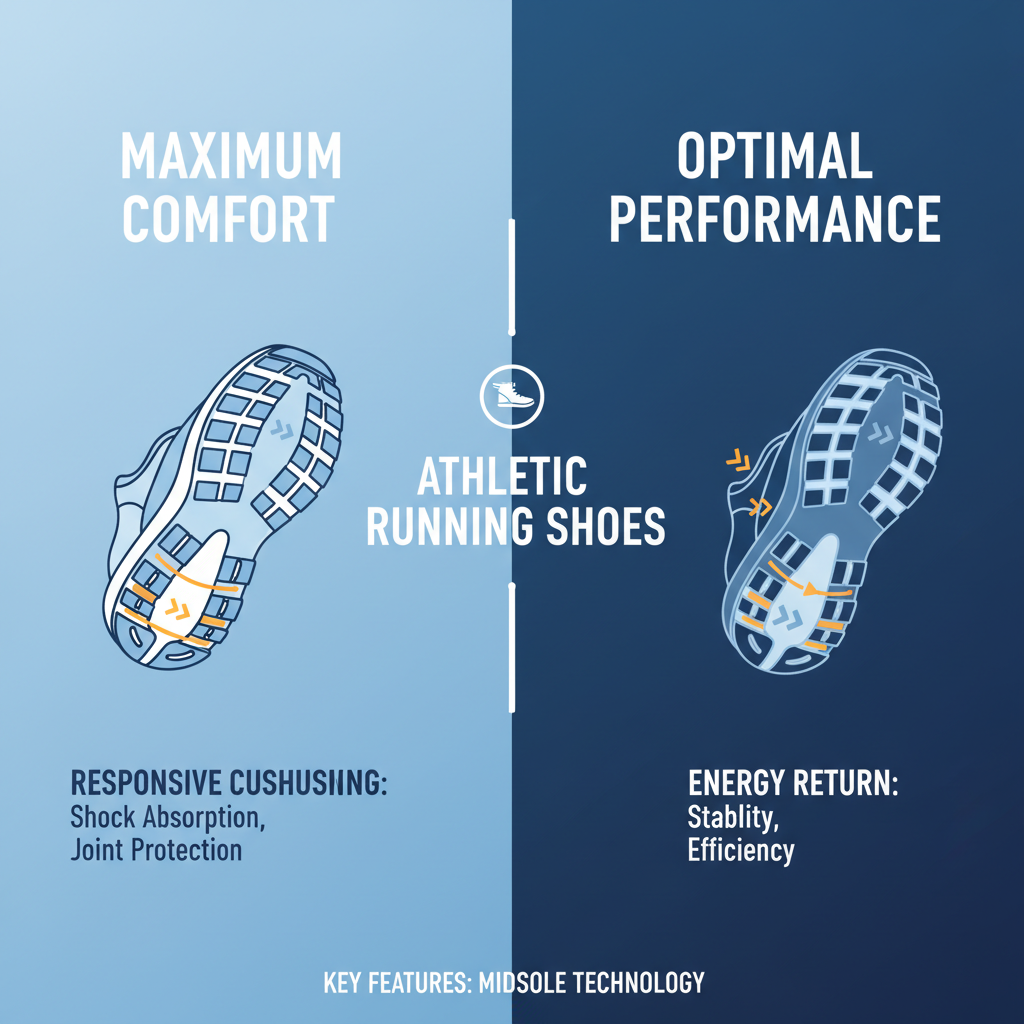
When selecting the best athletic running shoes for maximum comfort and performance, it's essential to focus on several key features. First, cushioning plays a vital role in how your feet feel during a run. Look for shoes that incorporate responsive midsole materials to provide ample shock absorption without sacrificing stability. This balance is crucial for protecting your joints and enhancing overall comfort during runs of varying lengths.
Another important feature to consider is fit. A proper fit can make all the difference in your running experience. Make sure to try on shoes later in the day when your feet are slightly swollen, as this will give you a more accurate idea of how they'll feel after a run. Additionally, consider shoes that offer a variety of widths, allowing for a more customized fit.
**Tips:** Always check if the shoes have a breathable upper material to prevent overheating, and ensure there's enough toe room to accommodate natural foot movement. Finally, don’t overlook the traction provided by the outsole; it should be designed for the surfaces you'll be running on, whether it's pavement, trails, or a treadmill.
How to Measure Your Foot for the Perfect Fit
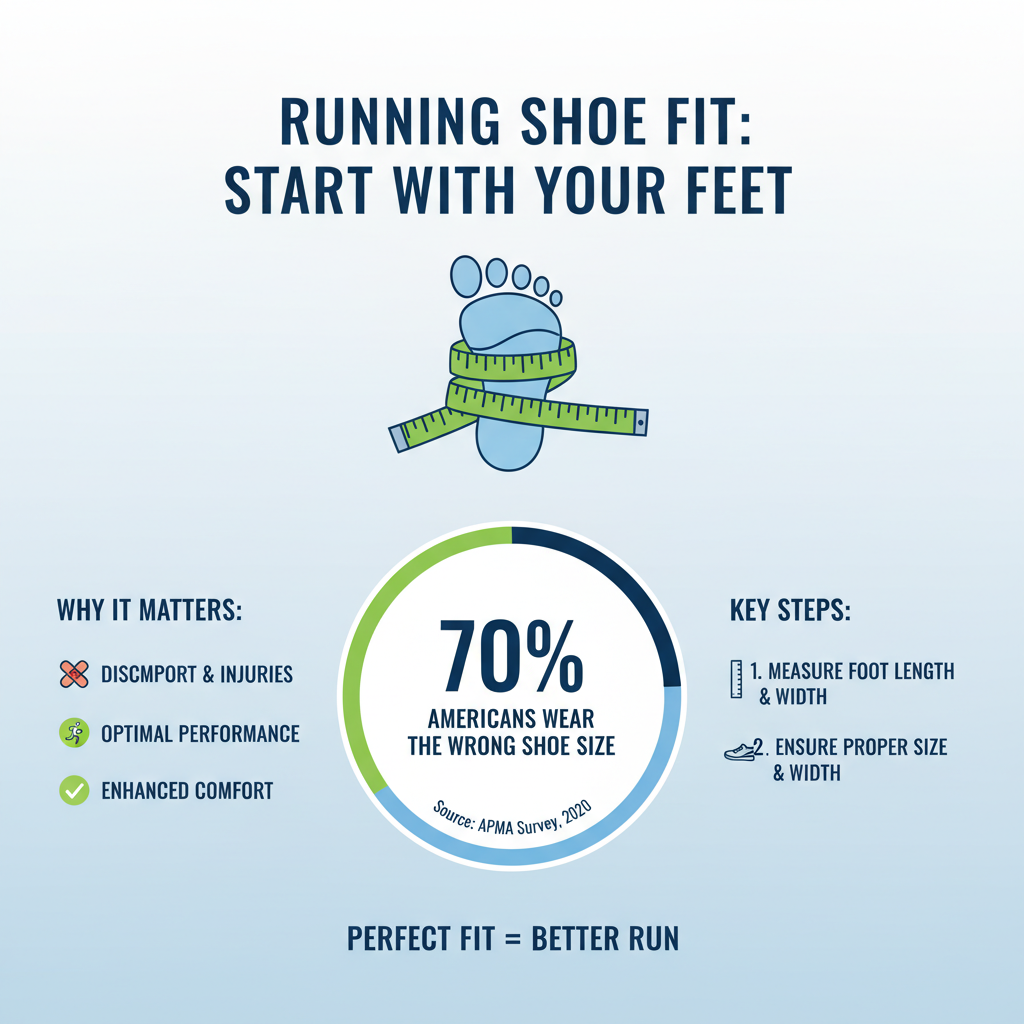
Choosing the right athletic running shoes starts with understanding the importance of measuring your foot properly for the perfect fit. According to a 2020 survey by the American Podiatric Medical Association, nearly 70% of Americans wear the wrong shoe size, leading to discomfort and potential injuries. Proper measurement of your foot can help ensure that you select the right size and width, which are crucial for optimal running performance and comfort.
To measure your foot, it is essential to do this in the afternoon when your foot is likely to be its largest. Using a ruler or measuring tape, measure the length from the heel to the longest toe and note this measurement. Additionally, measure the width at the widest part of your foot. Many brands have specific size charts that outline lengths and widths, and according to a study by the Journal of Sports Medicine, wearing shoes that match these measurements reduces the risk of blisters by 50%. Finding a shoe that accommodates both length and width will significantly enhance your running experience, allowing you to focus on performance rather than discomfort.
The Importance of Cushioning and Support in Running Shoes
When selecting athletic running shoes, one of the most critical factors to consider is the cushioning and support they provide. Cushioning plays a vital role in absorbing impact, reducing stress on joints, and enhancing comfort during runs. A shoe with adequate cushioning helps to prevent injuries by minimizing the harshness of repetitive movements, allowing runners to perform at their best without discomfort.
Support is equally essential, as it ensures that the foot remains stable during various phases of running. Shoes equipped with features such as arch support and heel counters help maintain proper foot alignment, reducing the risk of common running injuries like plantar fasciitis and shin splints. The right combination of cushioning and support can significantly influence a runner's performance, as athletes who feel secure and comfortable are more likely to push their limits and achieve their goals.
How to Choose the Best Athletic Running Shoes for Maximum Comfort and Performance - The Importance of Cushioning and Support in Running Shoes
| Shoe Model |
Cushioning Type |
Support Level |
Weight (oz) |
Price ($) |
| Model A |
Responsive Foam |
Moderate |
10.5 |
120 |
| Model B |
Gel Cushioning |
High |
11.2 |
150 |
| Model C |
Air Cushioning |
Low |
9.0 |
100 |
| Model D |
Memory Foam |
Moderate |
10.7 |
130 |
| Model E |
EVA Cushioning |
High |
11.0 |
140 |
When to Replace Your Running Shoes for Optimal Performance
When it comes to running, the right pair of shoes can make a significant difference in both
comfort and performance.
However, many runners overlook one critical aspect: knowing when to replace their shoes.
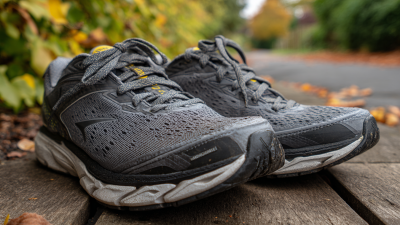
Most running shoes typically have a lifespan of 300 to 500 miles, depending on the type of running,
the runner's weight, and the terrain. It's essential to monitor your shoes for signs of wear,
such as decreased cushioning, visible damage, or an uneven tread. Ignoring these signs
can lead to injuries like plantar fasciitis,
shin splints, and knee pain.
In addition to tracking mileage, listen to your body. If you begin to experience
unusual aches or pains during or after your runs, it may be time to evaluate your footwear.
Some runners find that they need to replace their shoes more frequently after transitions in
terrain or running style. Regularly checking the condition of your athletic shoes not only
ensures optimal performance but also contributes to a safer and more enjoyable
running experience.