How to Choose the Best Sports Socks for Your Needs?
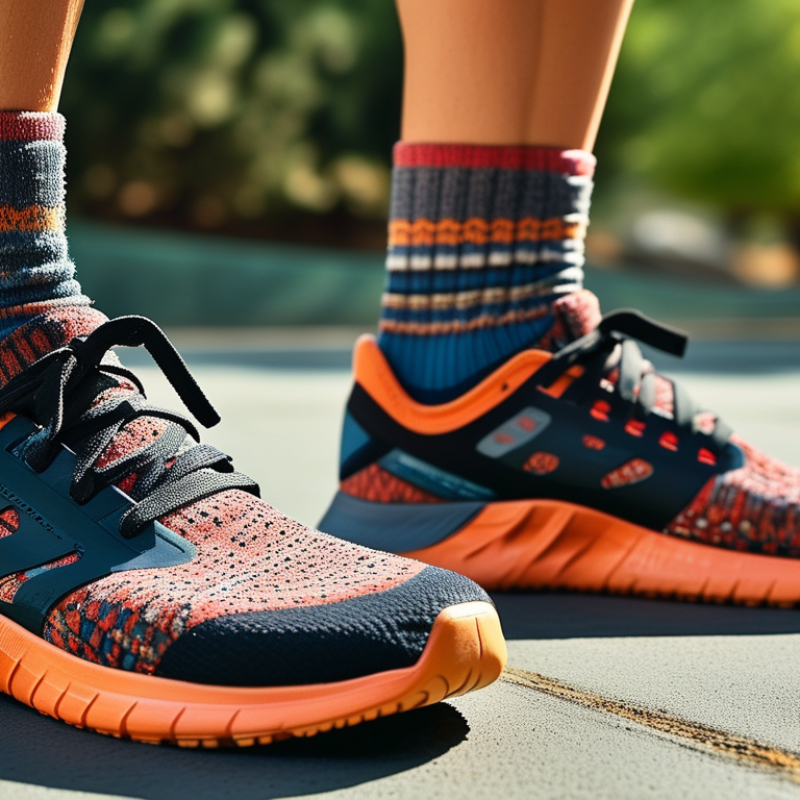
Choosing the right Sports Socks can enhance your athletic performance. Many overlook this essential gear. The right pair provides comfort, support, and moisture management.
Sports socks come in various materials and styles. Understanding these variations is crucial. For instance, cotton socks might feel soft but can retain moisture. This can lead to blisters during intense workouts. On the other hand, synthetic blends often wick moisture away, keeping your feet dry.
Consider your sport and preferences. A runner might need cushioned ankle socks, while a soccer player may prefer crew-length options. Look for compression features if you want to improve circulation. Ultimately, what works for one person may not work for another. Reflect on your experiences to find your ideal fit.
Understanding the Different Types of Sports Socks Available
When choosing the right sports socks, understanding the various types available is crucial. Athletic socks come in many styles. Each design serves a specific purpose, catering to different sports and personal preferences. For instance, running socks often have extra cushioning. This feature can help absorb shock during long runs. On the other hand, cycling socks typically offer a tighter fit, improving aerodynamics.
Some socks include moisture-wicking materials. These help keep feet dry, reducing the risk of blisters. Consider fabric type carefully. Cotton, while comfortable, retains moisture. Synthetic blends are usually better for performance. They dry quickly and provide better support.
There’s also the question of length. No-show, ankle, crew, and knee-high options each offer unique benefits. No-show socks are great for low-top shoes. Crew socks provide extra warmth for colder weather. Evaluating your specific sport and conditions can help narrow choices. However, the perfect sock may still feel uncomfortable at times. Testing different styles is vital in finding your best fit.
How to Choose the Best Sports Socks for Your Needs? - Understanding the Different Types of Sports Socks Available
| Sock Type | Material | Key Features | Best For |
| Cushioned Socks | Cotton, Polyester | Extra padding for comfort; shock absorption | Running, Hiking |
| Compression Socks | Nylon, Spandex | Improves blood circulation; reduces muscle fatigue | Marathon, Cycling |
| Ankle Socks | Cotton, Synthetic Blends | Low cut, breathable | Training, Casual Wear |
| Crew Socks | Wool, Acrylic | Mid-calf length, warm | Outdoor Sports, Winter Activities |
| No-Show Socks | Cotton, Polyester | Invisible when worn; lightweight | Casual Shoes, Sports Shoes |
Identifying Your Specific Sports and Activity Needs
When choosing sports socks, understanding your specific activity needs is crucial. For runners, moisture-wicking materials are paramount. According to a report by the American Podiatric Medical Association, around 68% of runners experience foot pain due to improper footwear. A sock designed for running should provide cushioning and arch support to mitigate this risk. Look for socks that utilize synthetic blends for better moisture control and breathability.
For cyclists, consider the fit and thickness of the sock. Research indicates that a snug fit reduces the chance of blisters, which afflict about 30% of cyclists during long rides. The best socks for cycling should also feature compression zones to enhance blood circulation. A combination of merino wool and synthetic fibers can provide warmth without overheating during rides.
If you're into team sports, durability is essential. Studies show that athletes engaged in sports like soccer and basketball often wear socks that endure extensive friction. A reinforced heel and toe area can extend the life of your socks significantly. Reflect on your specific sport's requirements. Will your socks provide the support and protection you need? Make an informed choice based on your activity's unique demands.
Evaluating Material Choices for Breathability and Comfort
When choosing sports socks, material plays a crucial role. Different fabrics impact breathability and comfort. Consider cotton, which absorbs moisture but may retain heat. It’s good for casual wear but not ideal for intense sports. Synthetic materials like polyester offer better moisture-wicking abilities. They help keep your feet dry during workouts.
Wool is another option worth mentioning. Merino wool provides warmth while remaining breathable. It can regulate temperature well. However, some find it too insulating for warmer days. Blends of materials can also be effective. Some socks combine cotton and synthetic fibers. This can offer a balance of comfort and durability.
Choosing the right material can significantly enhance your performance. Reflect on how your current socks feel during activities. If they cause blisters or discomfort, it might be time to reevaluate your choices. Finding the right blend for your needs may require some trial and error. Take your time to explore what truly works best for you. Each sport may have its unique demands, so keep experimenting.
Assessing Fit and Sizing for Optimal Performance
Choosing the right fit and sizing for sports socks is crucial for optimal performance. Many athletes underestimate this aspect. Socks that are too tight can restrict circulation. Conversely, socks that are too loose may lead to blisters. According to the Journal of Sports Science, proper sock fit reduces the risk of injury by up to 30%.
Understanding your foot shape is key in selecting socks. For instance, feet can be flat or have high arches. Each type requires different support. A smart choice might be to assess the thickness of the sock material as well. Thicker socks provide cushioning, while thinner socks enhance breathability. However, too much padding can hinder movement, making it essential to find a balanced option.
Fit is not just about size but also length. Many athletes prefer crew length for additional protection during high-impact activities. Others choose ankle socks for better ventilation. Consider trying multiple styles to figure out what feels best during actual workouts. Feedback from fellow athletes can also be valuable. Even small adjustments can lead to better performance on the field. Each significant improvement counts.
Considering Additional Features for Enhanced Support and Durability
When choosing sports socks, additional features can significantly improve support and durability. Look for socks with arch support. This feature helps stabilize your foot during intense activities. Cushioned zones are also essential. These zones reduce impact, providing comfort on hard surfaces.
Consider moisture-wicking materials. They keep your feet dry, reducing blisters and discomfort. Socks that fit snugly without being too tight are crucial. Loose socks can cause friction, leading to injuries. Reinforced heels and toes are another important aspect. They prevent wear and extend the lifespan of your socks.
Take note of the sock's length. Ankle or crew-length options can provide varying degrees of protection. Some athletes prefer taller socks for additional coverage during outdoor activities. Reflect on your specific needs. Ask yourself what features matter most in your sport. Tailor your selection based on this reflection.
Sports Socks Features Comparison
This chart compares various features of sports socks that enhance their performance. Each feature is rated on a scale from 0 to 10, indicating its importance and effectiveness. Notably, breathability and moisture wicking are key factors in sock selection for athletic activities.