Why Choosing the Right Youth Running Shoes is Essential for Growing Athletes
Choosing the right youth running shoes is crucial for the development and performance of young athletes. According to a report by the American Academy of Pediatrics, proper footwear can significantly reduce the risk of injuries among children and adolescents participating in sports. The right youth running shoes provide essential support, cushioning, and stability, which are vital as young bodies are still growing and developing. A survey conducted by the National Federation of State High School Associations revealed that nearly 2.5 million kids aged 14 and under are treated for sports-related injuries every year in the U.S., many of which could be prevented with appropriate footwear.
In addition to injury prevention, the quality of youth running shoes can impact athletic performance and overall enjoyment of the sport. Research published in the Journal of Orthopaedic and Sports Physical Therapy indicates that shoes specifically designed for running can enhance biomechanical efficiency, thereby improving speed and endurance. Young athletes are more likely to embrace running long-term when they are comfortable and well-supported during their activities. Thus, investing in the right youth running shoes is essential not only for safety but also for fostering a lifelong passion for running and physical fitness.
Importance of Proper Footwear for Youth Athletes
Proper footwear is crucial for youth athletes who are still in the developmental stages of their bodies.
Quality running shoes provide the necessary support, cushioning, and stability required to help minimize the risk of injuries. Growing athletes often experience rapid changes in their foot structure and size, making it essential to choose shoes that accommodate these fluctuations and offer a secure fit.
Shoes that lack proper support can lead to issues such as shin splints, blisters, and even long-term complications if not addressed early.
Moreover, the right running shoes can significantly enhance a young athlete's performance.
Shoes designed specifically for running often feature lightweight materials, breathable fabrics, and effective grip, allowing for improved agility and comfort on various terrains.
The importance of a well-constructed shoe is not just about preventing injuries; it also promotes a more enjoyable and confident experience during training and competition.
When athletes feel comfortable and well-supported, they are more likely to focus on their performance and continue to develop their skills in the sport they love.
Key Features to Look for in Youth Running Shoes
Choosing the right youth running shoes is crucial for the physical development and performance of young athletes. When selecting shoes, parents and coaches should consider features such as cushioning, support, fit, and traction. According to a report by the American Academy of Pediatrics, proper footwear can significantly reduce the risk of injuries, including shin splints and stress fractures—a common concern among young runners. Shoes with adequate cushioning help absorb shock, while good arch support ensures that the foot is aligned properly during running, promoting healthier biomechanics.
Cushioned shoes can reduce impact on young joints by up to 50%, making them an essential feature for growing athletes. Additionally, the right fit is paramount; shoes that are too loose can lead to blisters and instability, while shoes that are too tight can cause discomfort and impede performance. As a tip, always have young runners try on shoes at the end of the day, as feet tend to swell, ensuring they have sufficient room to grow without compromising support.
When it comes to traction, parents should look for shoes with an outsole designed for the specific surfaces where their child will be running. A study from the Journal of Sports Sciences found that appropriate traction can enhance performance and safety, allowing young athletes to maintain better control and reduce the likelihood of slips. Prioritizing these features will help support and protect young athletes as they develop their running skills.
Common Injuries Avoided with the Right Running Shoes
Choosing the right running shoes is crucial for young athletes, as improper footwear can lead to a variety of common injuries. One of the most prevalent issues is shin splints, which occur when the muscles and tendons around the shin are overstressed. A well-fitted running shoe provides adequate cushioning and support, which can significantly reduce the impact on the legs, helping to prevent this painful condition.
Another injury commonly avoided with the right footwear is plantar fasciitis. This painful condition affects the heel and bottom of the foot and is often exacerbated by inadequate arch support. A shoe designed specifically for running can supply the necessary support to the arch, which helps in distributing pressure evenly across the foot. Additionally, proper running shoes can help prevent ankle sprains by offering enhanced stability, particularly during lateral movements that young athletes frequently perform. By prioritizing the right running shoes, parents and coaches can help ensure that athletes enjoy their sport while minimizing the risk of injury.
Why Choosing the Right Youth Running Shoes is Essential for Growing Athletes - Common Injuries Avoided with the Right Running Shoes
| Shoe Feature |
Benefit |
Common Injuries Avoided |
| Cushioning |
Absorbs impact on joints |
Knee pain, shin splints |
| Arch Support |
Provides stability and alignment |
Plantar fasciitis, flat feet issues |
| Breathability |
Keeps feet cool and dry |
Blisters, fungal infections |
| Lightweight Design |
Enhances speed and agility |
Muscle fatigue, overexertion |
| Traction |
Prevents slips and falls |
Ankle sprains, falls |
How Shoe Fit Impacts Performance and Comfort
Choosing the right youth running shoes goes beyond aesthetics; it significantly affects performance and comfort for growing athletes. A proper shoe fit can enhance running efficiency, allowing young athletes to focus on their technique and performance rather than being distracted by discomfort. Shoes that are too tight can restrict movement, leading to blisters and injuries, while overly loose shoes may hinder stability, causing young runners to lose their footing. The right fit ensures that young athletes can fully engage in their activities, maximizing their potential.
Moreover, the impact of shoe fit on comfort cannot be understated. Growing feet require shoes that accommodate development, providing adequate support without being constrictive. Shoes designed for feet that are still growing must offer cushioning in the right areas and flexibility to allow natural motion. This balance not only contributes to a more enjoyable running experience but also encourages a lifelong love for the sport. When young athletes feel comfortable in their shoes, they are more likely to participate regularly and stay motivated, ultimately fostering a positive attitude towards physical activity and health.
Tips for Selecting the Best Running Shoes for Growing Feet
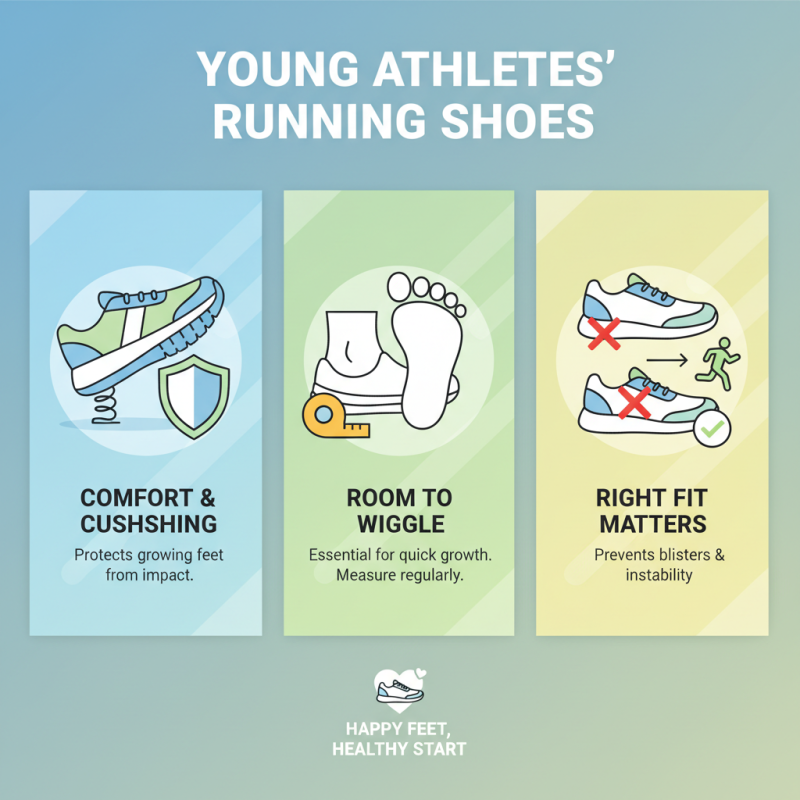
When selecting running shoes for young athletes, comfort is paramount. Ensure that the shoes have enough cushioning to protect their growing feet from the impact of running. A good fit should allow for some wiggle room in the toes, which is essential as children's feet can grow quickly. It's advisable to measure their feet regularly to find the right size, as snug shoes can lead to blisters and discomfort, while overly loose shoes can cause instability and increase the risk of injuries.
In addition to comfort and size, consider the shoe's material and breathability. Lightweight materials can enhance performance during runs, while breathable fabrics help keep feet dry and cool, reducing the chance of overheating. Look for shoes with good traction, particularly if the young athlete will be running on various surfaces. Also, pay attention to the level of support: shoes that offer adequate arch support can help prevent flat feet and other alignment issues as they grow. By focusing on these key aspects, parents can ensure that their young runners have the right footwear to support their development and passion for the sport.