Ultimate Guide to Choosing the Best Running Sneakers for You?
Choosing the right running sneaker can significantly impact your comfort and performance. According to a report by the Sports & Fitness Industry Association, over 60 million Americans participate in running or jogging. As this number continues to grow, so does the variety of running sneakers on the market. With options ranging from minimalist to maximalist shoes, it can be overwhelming to find the perfect fit for your needs.
A study published in the Journal of Sports Sciences highlights that the right footwear can reduce the risk of injuries by up to 50%. This fact emphasizes the importance of selecting a running sneaker that aligns with your foot type, running style, and terrain. The choices can be daunting, with many brands touting advanced technology and innovative designs. However, not every sneaker is suitable for everyone, and personal preference plays a crucial role.
Running sneakers should provide the right balance of support and comfort. While the latest trends might catch your eye, it’s essential to reflect on what truly works for your feet. You may find that some features are overrated, while others may be essential for your unique running experience. Exploring your options thoughtfully will lead you closer to finding the ideal pair.
Understanding Your Foot Type: A Key Step in Choosing Running Sneakers
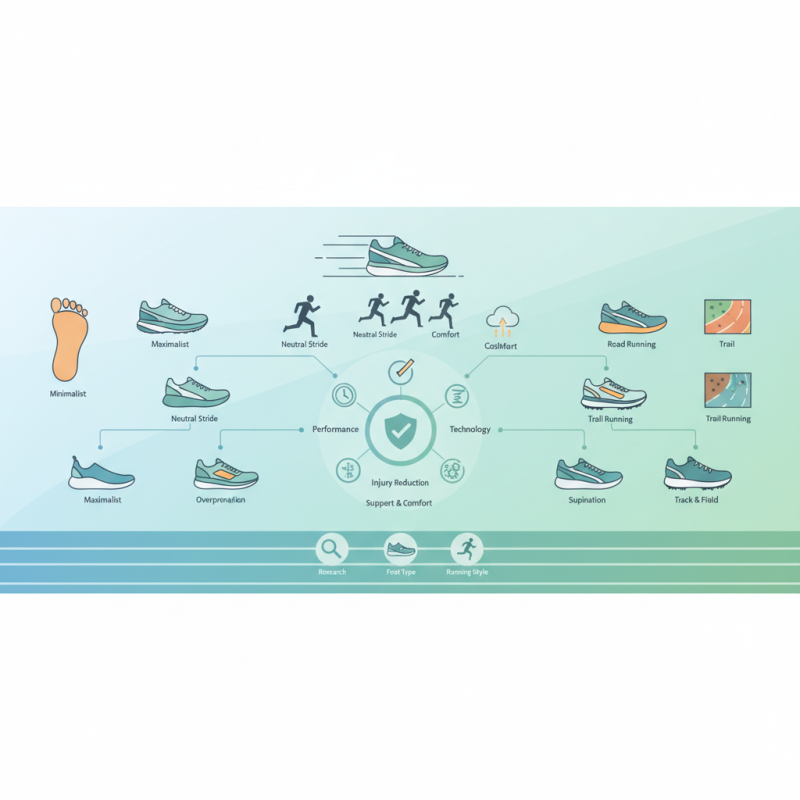
Understanding your foot type is crucial when selecting the right running sneakers. According to the American Academy of Podiatric Sports Medicine, over 70% of runners experience foot problems. Identifying whether you have flat, neutral, or high-arched feet can significantly influence your running efficiency and foot health.
Flat-footed runners often benefit from stability shoes. These shoes provide extra support, reducing the risk of overpronation, which can lead to injuries like plantar fasciitis. High-arched individuals typically require cushioned shoes that absorb impact effectively. A study by the British Journal of Sports Medicine indicated that 50% of runners with improper footwear experience increased injury rates. Furthermore, neutral runners may find versatility in their shoe choice, as they can work with a variety of styles.
Trying on different sneakers in-store can help you assess comfort and fit. Subtle variations in design and support can make a significant difference. Remember that foot shape can change over time, influenced by age and activity level. Regularly reassessing your foot type and shoe fit is essential. Neglecting this can lead to discomfort and long-term issues.
Ultimate Guide to Choosing the Best Running Sneakers for You - Understanding Your Foot Type: A Key Step in Choosing Running Sneakers
| Foot Type |
Arch Height |
Recommended Shoe Cushioning |
Recommended Footwear Features |
| Neutral |
Medium |
Moderate cushioning |
Flexible, breathable, moderate support |
| Flat |
Low |
Maximal cushioning |
Stability features, arch support |
| High Arch |
High |
Lightweight cushioning |
Supportive, responsive, less flexibility |
| Wide Feet |
Variable |
Moderate cushioning |
Roomy toe box, secure fit |
Evaluating Your Running Style: Impact on Sneaker Selection
Understanding your running style is crucial for selecting the right sneakers. Every stride, whether it’s a gentle roll of the foot or a powerful push-off, influences the amount of cushioning and support you need. Runners typically fall into categories like neutral, overpronators, or underpronators. Analyze your gait to identify which category you belong to. This insight can greatly impact comfort and performance.
Incorporating factors like foot arch and pronation can complicate the process. High arches may necessitate more cushioning, while flat feet often require stable support. Observing wear on your current shoes can offer clues about your foot mechanics. Take time to reflect on any discomfort or injuries from past runs; these experiences can guide your choice.
Test different sneakers in-store or during runs. Feel the differences in weight, flexibility, and traction. It’s essential to acknowledge that even the most educated choice may lead to unexpected outcomes. Not all sneakers perform perfectly for everyone. Be open to tweaking your selection based on experience, as running should remain enjoyable and tailored to your unique style.
Impact of Running Style on Sneaker Selection
Key Features to Look for in Running Sneakers: Cushioning, Support, and Durability
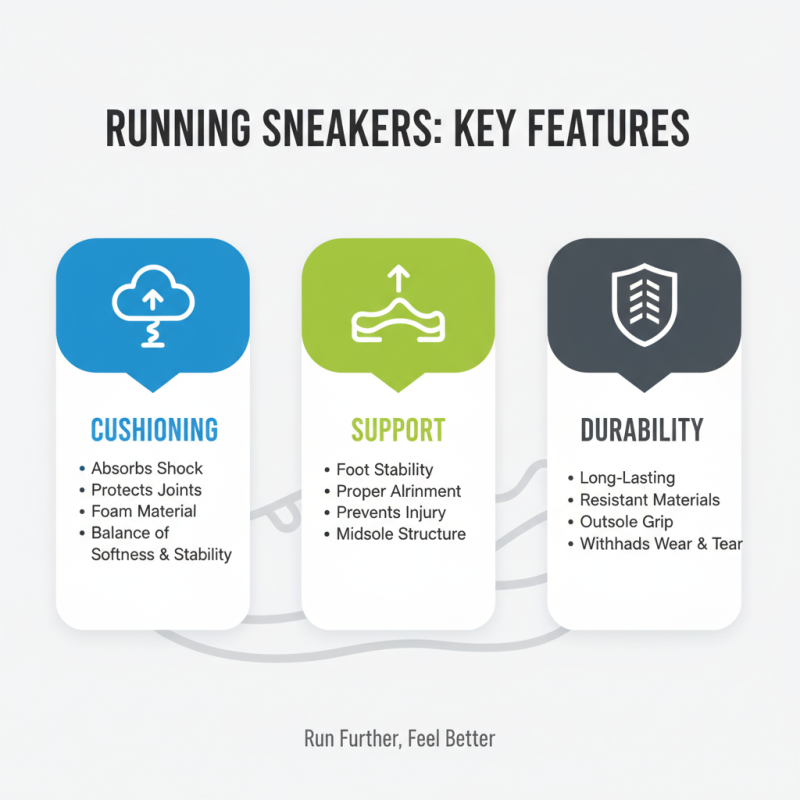
When choosing running sneakers, three key features stand out: cushioning, support, and durability. Cushioning impacts comfort significantly. Good sneakers should absorb shock well to protect your joints. Consider the material; foam often provides excellent cushioning. However, overly soft shoes can lead to instability. Finding a balance is essential for your feet.
Support is another critical component. Look for sneakers that offer adequate arch support. This feature helps prevent injuries, especially for those with flat feet or high arches. It’s easy to overlook this. A lack of support can lead to discomfort during runs. Pay attention to how well the shoes fit around your midfoot.
Durability also plays a vital role. Running shoes should withstand wear and tear, especially for regular runners. Inspect the sole and upper materials. High-quality materials will last longer. However, durability can sometimes add weight. Heavier shoes may affect your speed. Reflect on what matters most for your running style.
Importance of Proper Fit: How to Measure Your Foot for Sneakers
When choosing running sneakers, the proper fit is essential. An improper fit can lead to discomfort and injuries. Begin by measuring your foot size. Stand on a piece of paper and trace your foot. Measure the length and width at the widest part. This step is crucial as many people wear the wrong size. Remember, a snug fit around the heel is essential, but your toes should have space to wiggle.
Next, consider different foot shapes. Some individuals have flat feet, while others have high arches. This can affect the shoe's fit. Trying on sneakers in-store can help as they often allow you to walk around in them. Pay attention to how the shoe feels with movement. A common mistake is to select shoes based solely on appearance. Reflect on your feet’s needs and how the shoe accommodates them. Test for pressure points and ensure there’s no slipping.
Finally, remember that feet can expand during physical activity. After a run, your shoes may feel tighter. When testing fit, consider this. If you're unsure, consulting a professional can help. They can offer insights on foot mechanics and fit preferences. Embracing these factors can significantly enhance your running experience.
Top Brands and Models: Finding the Best Running Sneakers for Your Needs
Choosing the right running sneakers involves understanding your unique needs. Shoe fit is crucial. The best sneakers should feel comfortable right away. Many runners overlook this detail. A proper fit reduces the risk of blisters and injuries.
Different terrains require different shoe types. If you run on trails, look for sneakers with rugged outsole patterns. Road runners benefit from cushioned shoes for shock absorption. Ensure that the sneaker has enough arch support. This can improve your performance significantly.
**Tip:** Always try shoes later in the day. Feet tend to swell, and you'll find a better fit. Take your time. Rushing can lead to poor choices and discomfort. Listen to your body while trying on different sneakers.
Don't forget about weight. Lighter shoes may feel faster, but may lack support. Reflect on your running style. Prioritize your comfort and safety over style or trends. This choice will make a big difference in your running experience.