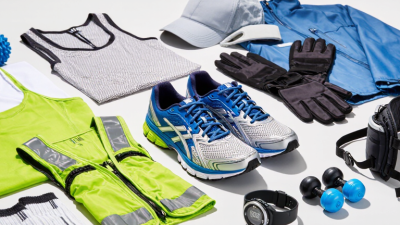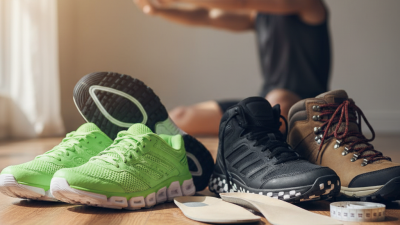
Buying running equipment across borders is not simply a matter of comparing prices. A shoe that performs well on wet London pavement may feel unstable on Bangkok’s polished sidewalks. A lightweight jacket may suit a cool European morning, yet fail during tropical rain. Global buyers must examine fit, terrain, climate, material quality, sizing systems, and supplier reliability before placing an order.
Running biomechanics researcher Dr. Irene Davis has emphasized, “There is no one best running shoe for everyone.” That principle should guide every purchasing decision. Product descriptions can look impressive, but real performance depends on foot shape, running frequency, surface, and personal comfort. Measure both feet late in the day. Check width, heel security, toe movement, and return conditions. Small details matter.
This guide explains ten practical buying tips for selecting running equipment with greater confidence. It considers shoes, apparel, socks, hydration products, visibility accessories, and basic recovery items. It also highlights questions that international buyers often overlook, including regional size conversions, customs documentation, warranty coverage, and responsible material claims. A verified supplier should provide clear specifications, testing information, and consistent product samples.
No guide is perfect.
Individual experience still matters. A laboratory-tested shoe may not feel right during a twelve-kilometer training run. Buyers should test products gradually, record discomfort, and revise their choices when evidence says so. Careful purchasing is not about finding the most expensive equipment. It is about matching reliable products to real runners, real environments, and realistic budgets.
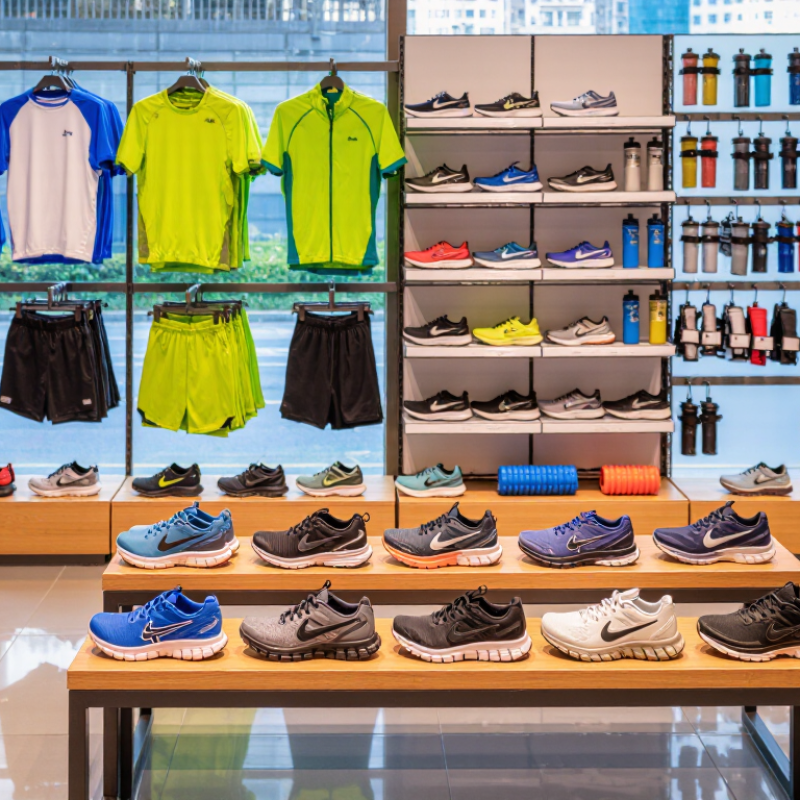
Define Your Running Needs, Goals, and Intended Use
Running equipment should match the runner, not the marketing promise. The 2024 SFIA Topline Participation Report recorded roughly 50 million U.S. running and jogging participants. That scale shows why one standard kit cannot serve every buyer. A beginner training twice weekly needs different equipment from a marathon runner covering 60 kilometers each week.
Start with the route. Smooth pavement requires cushioning, secure fit, and breathable materials. Rocky trails demand stronger grip, toe protection, and stable construction. For hot, humid regions, mesh panels and quick-drying fabrics matter. Cold-weather runners may need layered insulation, reflective details, and gloves that preserve finger movement. Specify the climate, terrain, training frequency, distance, and carrying needs before comparing products.
Test the real use case whenever possible. Walk, jog, and change direction in the footwear. Check pressure around the toes after ten minutes. Small discomfort often becomes a serious distraction later. I have seen buyers focus on weight and overlook poor fit. That was an expensive lesson. The 2023 World Athletics consensus statement also emphasizes gradual training progression and injury-risk management, so equipment should support realistic goals rather than force faster progress. Keep records of sizing, materials, durability, and user feedback. One detail is still easy to miss: preferences change after several weeks of actual running.
Global buyers should assess running equipment by category, not by attractive specifications alone. Running shoes need suitable cushioning, stable heel support, flexible forefoot movement, and durable outsole compounds. Test them on the surfaces where customers actually run. A shoe that feels excellent on smooth pavement may perform poorly on wet paths.
Apparel should balance moisture control, airflow, stretch, and temperature protection. Check seam quality, fabric recovery, and washing performance after repeated cycles. Small details matter, such as reflective panels placed where headlights can reach them. Hydration belts and bottles require secure closures, comfortable weight distribution, and materials suitable for repeated contact with water. They should not leak during movement. GPS watches and other electronic equipment need dependable positioning, readable screens, practical battery life, and clear water-resistance ratings. Independent test reports are more useful than vague claims.
Reliable purchasing also depends on supplier evidence. Request material specifications, laboratory results, inspection records, and consistent production samples. Compare performance across several units, because one excellent sample proves little. I once trusted a lightweight design too quickly; its comfort declined after long use. That was a useful correction. Performance must be measured in realistic conditions, including heat, rain, uneven ground, and repeated washing. Buyers should also examine sizing accuracy, repair support, warranty terms, packaging protection, and regional return procedures. A low unit price can hide costly replacements. Some data will still be incomplete, so record assumptions and question them before placing a large order.
| No. | Equipment Category | Key Buying Tip | Performance Features to Evaluate | Practical Benchmark | Best Use Case | Pre-Order Check |
|---|---|---|---|---|---|---|
| 1 | Running Shoes | Match the shoe to foot shape, running surface, weekly mileage, and intended pace rather than choosing by appearance alone. | Fit consistency, heel-to-toe drop, midsole cushioning, torsional control, outsole grip, and upper breathability. | Allow roughly 10–15 mm of toe-room beyond the longest toe; outsole rubber should suit the target surface. | Road, trail, track, or mixed-surface training. | Request size charts, wear testing, outsole compound details, and sample pairs. |
| 2 | Running Apparel | Prioritize moisture management, freedom of movement, and climate suitability for the destination market. | Fabric wicking, drying speed, stretch recovery, seam construction, ventilation panels, and colorfastness. | A lightweight synthetic or technical knit should dry faster than standard cotton and retain shape after repeated washing. | Warm-weather training, winter layers, races, and everyday fitness. | Check fiber composition, wash-care instructions, size grading, and shrinkage test results. |
| 3 | Running Socks | Select the thickness and construction according to shoe fit, climate, and blister risk. | Arch support, seamless or flat toe construction, cushioning zones, moisture control, and abrasion resistance. | The sock should stay in place without tight pressure points or excess material inside the shoe. | Daily running, long-distance events, trail running, and humid climates. | Test after washing and inspect toe seams, elastic recovery, and pilling resistance. |
| 4 | GPS Running Watches | Compare satellite accuracy, battery endurance, data privacy, and regional connectivity before selecting features. | GNSS accuracy, heart-rate tracking, waterproof rating, display readability, route navigation, and sensor compatibility. | Battery life should cover the longest planned activity with a reserve; water resistance should match the intended training environment. | Training analysis, navigation, interval workouts, and multi-sport use. | Confirm language support, charging standard, app availability, warranty region, and data-export options. |
| 5 | Hydration Equipment | Choose capacity, access method, and cleaning design based on run duration and local climate. | Leak resistance, bounce control, drinking-valve flow, insulation, pack ventilation, and ease of cleaning. | A capacity of approximately 0.5–2.0 liters covers many short-to-long training needs, depending on refill access and conditions. | Short runs, long-distance training, hot climates, and remote routes. | Check food-contact materials, leak testing, cleaning access, and fit adjustment range. |
| 6 | Running Belts and Packs | Evaluate load stability and body movement under actual running conditions, not only when standing still. | Weight distribution, pocket access, bounce reduction, breathable materials, adjustability, and reflective details. | Contents should remain secure during acceleration, hills, and changes of direction without restricting breathing. | Commuting, long runs, trail sessions, and carrying a phone or nutrition. | Measure torso or waist range and test packed dimensions, zipper quality, and load-bearing seams. |
| 7 | Reflective and Safety Gear | Treat visibility as a functional requirement for low-light markets and routes with vehicle traffic. | Reflective surface coverage, visibility from multiple angles, light output, battery runtime, and weather resistance. | Reflective elements should be visible from the front, rear, and sides; flashing products require clear control access. | Night running, winter conditions, commuting, and urban roads. | Verify applicable electrical, battery, labeling, and visibility requirements in the target country. |
| 8 | Compression and Support Gear | Use graduated compression and support features only when the fit, purpose, and wearer guidance are appropriate. | Pressure consistency, elasticity, recovery after washing, seam comfort, anatomical shaping, and skin breathability. | The product should feel secure without numbness, tingling, restricted movement, or rolled edges. | Calf support, recovery routines, travel, and selected training applications. | Request sizing by measured body dimensions and avoid unsupported medical performance claims. |
| 9 | Running Headphones | Balance stable fit and sound quality with environmental awareness, especially for outdoor road running. | Fit security, sweat resistance, microphone clarity, battery duration, control usability, and ambient-sound awareness. | Controls should remain usable while moving, and battery life should cover the intended training schedule between charges. | Indoor training, outdoor running, commuting, and coaching sessions. | Check wireless standards, charging connector, sweat-test results, local certifications, and privacy terms. |
| 10 | Recovery and Training Accessories | Prioritize simple, durable tools that support mobility, strength, and recovery without overstating health benefits. | Material resilience, load capacity, surface comfort, portability, adjustment range, and cleaning requirements. | Resistance levels or load ratings should be clearly labeled and remain consistent during repeated use. | Home training, gym use, warm-ups, mobility work, and travel. | Request material specifications, safety instructions, durability testing, and packaging dimensions. |
10 Running Equipment Buying Tips for Global Buyers
When reviewing running equipment, I inspect the product before reading the supplier’s claims. A shoe should flex naturally, while its sole needs consistent thickness and firm bonding. For apparel, I check stitching, fabric stretch, color stability, and moisture control after repeated washing. Small defects matter. A loose thread can become a torn seam during a long run.
Safety evidence deserves careful attention. Ask for current laboratory reports, material declarations, and clear testing scopes. Confirm that the reports match the exact product, not a similar sample. Reflective panels should remain visible under direct light, and electronic items need secure batteries and protected wiring. Requirements differ across markets, so buyers should verify applicable standards with qualified local professionals. Paperwork alone is not enough.
Material durability needs practical testing. I recommend abrasion checks, repeated bending, water exposure, and temperature changes before placing a large order. Keep sample photos and inspection records for comparison. In one review, the first sample felt strong but developed sole separation after repeated flexing. That result changed the purchase decision. I also learned that comfort testing is easy to overlook. A product may pass basic tests yet cause rubbing, pressure, or overheating during actual use. Ask testers to run on different surfaces and report specific discomfort. Perfect inspection is unrealistic, but careless approval is avoidable.
10 Running Equipment Buying Tips for Global Buyers
Compare Suppliers, Pricing, Minimum Orders, and Shipping Terms
Global buyers often compare running equipment by unit price alone. That approach can hide expensive differences. I request identical specifications from at least three suppliers. I check material thickness, stitching, load ratings, packaging, and replacement-part availability. A sample reveals details that photos rarely show. During one review, a low quote included thinner packaging. That mistake taught me to compare delivered cost, not catalog price.
Ask each supplier for a transparent price ladder. Record prices at 100, 500, and 1,000 units. Then calculate tooling, inspection, labeling, banking, and inland transport charges. Minimum order quantities deserve equal attention. A low MOQ may carry a higher unit price, but it can protect cash flow and reduce storage risk. Confirm whether mixed sizes or colors count toward the MOQ. Some quotations sound flexible until production starts. That needs scrutiny.
Shipping terms can change profit quickly. Compare EXW, FOB, CIF, and DDP only after defining responsibilities. Ask who pays export handling, insurance, duties, destination fees, and unexpected port storage. Request carton dimensions, gross weight, shipping mode, and realistic lead times. I prefer written terms with a delivery window and inspection remedy. Still, estimates are not promises. Weather, congestion, and customs checks can delay arrivals. Leave buffer stock for seasonal demand. I sometimes overestimate demand; a smaller trial order would have been wiser.
10 Running Equipment Buying Tips for Global Buyers
Sizing is the first risk to control when buying running equipment internationally. A medium in one market may fit like a small elsewhere. Request a measurement chart, material details, and a physical sample before placing a large order. Check chest width, sleeve length, waist stretch, and shoe clearance separately. A printed chart is never perfect. Real testing still matters.
Tip: Ask suppliers to explain customization limits clearly. Confirm fabric colors, logo placement, packaging, labels, and minimum order quantities in writing. Request a digital proof before production. Small artwork changes can affect printing quality. Also check whether customized items can be replaced if measurements or colors differ from the approved sample.
Tip: Testing should match actual use. Ask for evidence of colorfastness, seam strength, moisture control, and repeated washing performance. For reflective details, inspect visibility under low light. Independent laboratory reports are more reliable than vague claims. However, documents may not represent every production batch, so keep approval samples for comparison.
After-sales support deserves equal attention. Confirm response times, replacement rules, spare-part availability, and the process for reporting defects. Use photos, batch numbers, and inspection records when problems occur. I once underestimated communication delays across time zones; that mistake slowed resolution. A clear service agreement cannot prevent every issue, but it reduces confusion.
Procurement priority index for key checks when sourcing running equipment internationally. Scores range from 1 (lower priority) to 5 (critical priority).
Confirm sizing and specifications before production, request customization samples, verify testing documentation, and agree on clear after-sales procedures before placing an international order.