Global buyers often ask a simple question: what does running equipment include? The answer reaches beyond shoes and clothing. It covers running shoes, moisture-wicking shirts, reflective vests, GPS watches, hydration belts, socks, and recovery tools. Each product supports a different training need, climate, or purchasing budget. A buyer in Singapore may prioritize breathable mesh and quick drying. A buyer in Canada may need thermal layers and stronger grip.
Reliable sourcing starts with practical product knowledge. Check cushioning, outsole rubber, stitching, fabric weight, battery performance, and size consistency. Ask suppliers for material details, test reports, samples, and clear production timelines. A sample may look excellent but feel uncomfortable after five kilometers. That matters. Packaging should protect products from moisture and crushing during international transport. Buyers should also review labeling, warranty terms, returns, and destination-market requirements before placing large orders. These details are not exciting. They prevent expensive surprises.
This guide explains how to evaluate running equipment for professional buyers, retailers, clubs, and distributors. It considers performance, comfort, durability, supplier communication, and long-term value. Price alone can mislead. A cheaper shoe may create higher return rates or weaker customer trust. Even experienced buyers make imperfect decisions when forecasts change or samples differ from bulk production. That risk deserves attention. Comparing several suppliers, documenting inspections, and testing products with real runners can improve confidence. No single product suits every customer. Good purchasing depends on evidence, honest questions, and a willingness to revise assumptions.
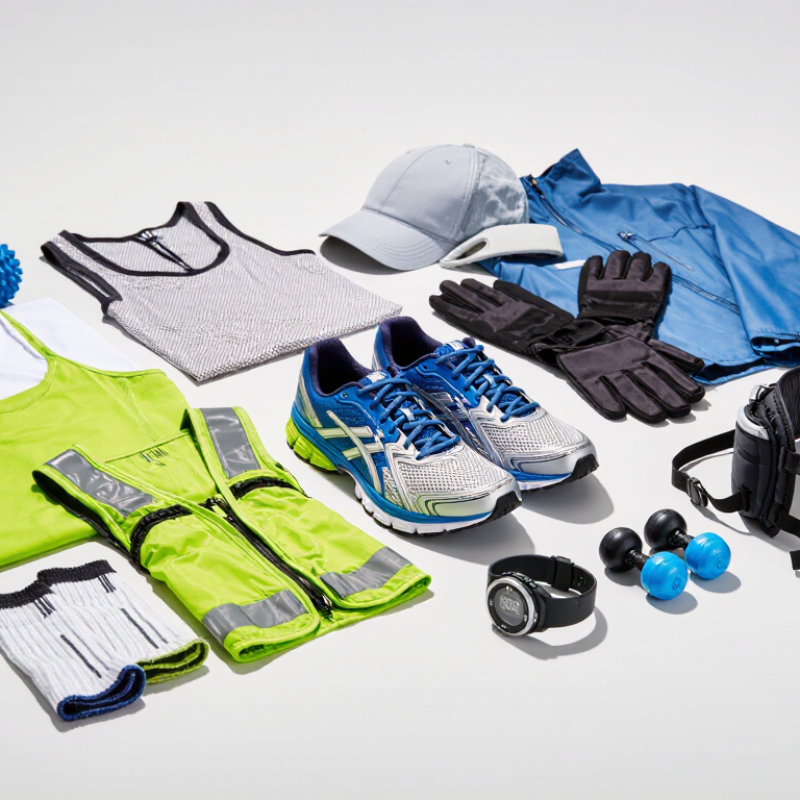
Running equipment includes products that support movement, comfort, safety, performance, and recovery. Running shoes remain central, but the category is wider. It also covers technical clothing, socks, hydration belts, reflective accessories, sports watches, heart-rate sensors, running backpacks, and recovery tools. The boundary is not perfectly clean. A smartphone application may support training, while a watch provides similar data.
Demand reflects a broad participant base. The Sports & Fitness Industry Association reported about 50.2 million U.S. running and jogging participants in 2023. Meanwhile, the ACSM Worldwide Survey of Fitness Trends 2024 ranked wearable technology as the leading fitness trend. These figures show why global buyers increasingly assess both physical products and connected equipment.
Scope also depends on the buyer’s market and use case. A road runner may need lightweight shoes, breathable fabric, and reflective details for evening routes. A trail runner may require stronger grip, water resistance, and impact protection. Product evaluation should examine materials, sizing consistency, durability, packaging, care instructions, and regional safety requirements. The Global Running Shoes Market report by Grand View Research estimated a 2023 value of approximately 48.14 billion U.S. dollars, with continued growth projected through 2030. That estimate covers footwear, not the entire equipment category. It is useful, but incomplete. Global sourcing decisions still need practical testing, user feedback, and honest review of product weaknesses.
What Is Running Equipment for Global Buyers?
Core Categories of Running Gear
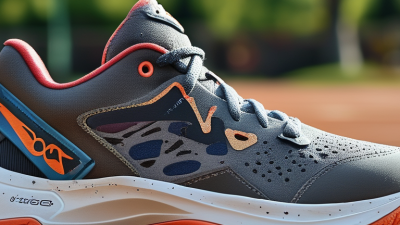
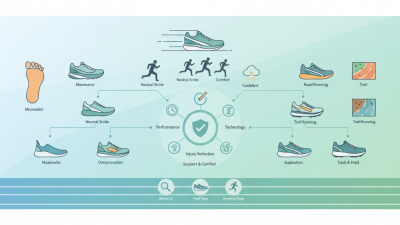
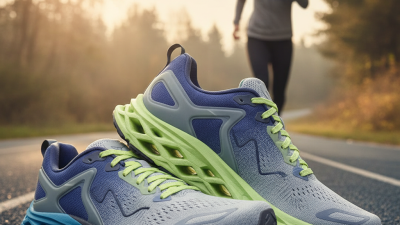
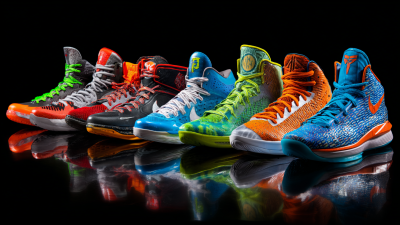
Running equipment covers more than shoes and shirts. The main category is footwear, including road shoes, trail shoes, and lightweight racing models. Buyers should check cushioning, outsole grip, heel support, and size consistency. A small sizing error can create costly returns. Apparel includes moisture-wicking shirts, running shorts, tights, jackets, and thermal layers. Fabric weight matters because hot climates need breathability, while cold regions require insulation and wind protection.
Accessories complete the running system. Common items include sports socks, caps, gloves, waist belts, hydration bottles, reflective vests, and phone holders. Visibility gear deserves careful attention for early-morning and evening runners. Simple reflective details can improve awareness near roads. Wearable devices and heart-rate tools are also popular, but accuracy may vary between users. The category is useful, not perfect. Buyers should request performance data and test samples before placing large orders. Material labeling, care instructions, and secure packaging also support reliable international sales.
Tips: Compare products by use case, not appearance. Ask for measured sizes, fabric composition, weight, and test results. Review stitching around pockets and waistbands. Check whether closures remain secure during movement. I have seen attractive samples fail after repeated washing. That lesson is easy to overlook. A practical sample review should include fit, comfort, durability, and climate suitability. Cost matters, but inconsistent quality can matter more.
What Is Running Equipment for Global Buyers?
Running equipment should match the running condition, not only the athlete’s size. The World Health Organization recommends 150–300 minutes of moderate activity weekly. Therefore, comfort and durability matter across repeated training sessions. Road runners need stable cushioning, breathable uppers, and reliable grip on asphalt. Trail runners need deeper lugs, toe protection, and stronger heel support. A smooth road shoe can feel unsafe on loose stones.
Weather changes equipment decisions quickly. In hot climates, moisture-wicking fabric and ventilated panels help reduce heat discomfort. The American College of Sports Medicine advises runners to manage hydration and adjust exercise during extreme heat. In cold areas, layered clothing works better than one heavy garment. Wet conditions require fast-drying materials and traction that remains dependable on painted surfaces. Visibility also matters during early-morning or evening runs.
Tips: Check local temperature, terrain, and road quality before buying. Test socks with the shoes. Small pressure points become painful after ten kilometers. A reflective detail is useful, but it cannot replace careful route planning. Buyers should also review product testing methods, material claims, and sizing charts from reliable technical sources. Global sizing remains inconsistent. That is an inconvenient fact, and online measurements are not always enough. A trial period can reduce waste and reveal whether the equipment truly suits daily conditions.
| Running Condition | Recommended Equipment | Key Functional Features | Useful Technical Specifications | Primary Buyer Priorities | Typical Use Case |
|---|---|---|---|---|---|
| Paved Roads | Road-running shoes, reflective clothing, GPS watch | Moderate cushioning, flexible forefoot, breathable upper, visible reflective details, reliable distance and pace tracking | Heel-to-toe drop commonly about 4–12 mm; outsole designed for firm, relatively even surfaces; water-resistant clothing for light rain | Comfort over repeated impact, efficient movement, visibility in traffic, consistent sizing | Daily training, road races, commuting, and long-distance running on asphalt or concrete |
| Uneven Trails | Trail shoes, hydration vest, lightweight headlamp | Deeper multidirectional lugs, reinforced toe area, stable platform, secure heel hold, abrasion-resistant materials | Lug depth often about 3–6 mm depending on terrain; low-profile packs commonly hold 5–15 L; headlamps generally offer multiple brightness modes | Grip, foot protection, stability, load distribution, and resistance to mud and abrasion | Forest paths, rocky routes, mixed-surface trails, and recreational ultramarathon training |
| Track Surfaces | Lightweight running shoes, split shorts, interval timer | Low weight, responsive midsole, secure fit, flexible construction, breathable apparel, easy-to-read timing display | Track shoes may use a lower stack height than many daily trainers; apparel should allow unrestricted hip and knee movement | Responsiveness, low bulk, freedom of movement, and accurate interval measurement | Intervals, speed work, middle-distance sessions, and structured athletics training |
| Treadmill Running | Cushioned trainers, moisture-wicking clothing, indoor running fan | Comfortable cushioning, breathable mesh, stable fit, sweat management, and adjustable airflow | Training shoes should be selected for the runner’s gait and comfort; treadmill sessions benefit from a fan because indoor airflow is limited | Ventilation, heat management, noise reduction, comfort, and easy maintenance | Home gyms, fitness centers, controlled-pace training, and weather-limited workouts |
| Hot and Humid Weather | Light-colored technical apparel, visor or cap, running belt, soft flasks | Quick-drying fabric, ventilation zones, sweat-resistant storage, adjustable fit, and sun protection | Choose apparel with breathable fabric and UPF-rated coverage where available; hydration capacity depends on route length and access to water | Moisture control, low garment weight, sun protection, chafe prevention, and hydration access | Summer training, tropical climates, long runs, and events with high heat exposure |
| Cold and Windy Weather | Moisture-wicking base layer, insulating mid-layer, wind-resistant shell, gloves | Layered insulation, wind resistance, moisture transfer, adjustable cuffs, and secure storage for small items | Layering allows insulation to be adjusted during exercise; shell garments should balance wind protection with breathability | Thermal comfort, freedom of movement, weather protection, and packability | Winter road running, cold-weather trail sessions, and early-morning training |
| Rainy Conditions | Water-resistant shell, quick-drying socks, traction-focused shoes, waterproof storage | Adjustable hood, sealed or protected openings, quick-drying materials, secure pockets, and slip-resistant outsole design | Water resistance and waterproofing are different performance levels; breathability is important during sustained exercise | Dryness, visibility, grip, reduced chafing, and protection of phones or documents | Wet road runs, light-to-moderate rain, and training in changeable weather |
| Low-Light Running | Reflective vest, headlamp, rear safety light, high-visibility accessories | 360-degree visibility, hands-free illumination, comfortable adjustment, weather resistance, and secure battery housing | Headlamp brightness should match the route; reflective elements work by returning light from vehicle or street-light sources | Visibility to others, route illumination, battery life, comfort, and dependable attachment | Pre-dawn, evening, winter, urban, and poorly lit route running |
| Long-Distance Running | Cushioned shoes, hydration system, anti-chafe clothing, nutrition storage | Stable cushioning, low-friction seams, breathable construction, accessible pockets, and easy-to-use hydration access | Pack or belt capacity should match route length and aid-station availability; sock fit and moisture control help reduce blister risk | Durability, comfort over several hours, carrying capacity, and simple access while moving | Half-marathon training, marathon preparation, endurance events, and supported long runs |
| Recovery and Easy Runs | Comfort-oriented trainers, supportive socks, foam roller, mobility accessories | Stable fit, moderate cushioning, soft next-to-skin materials, and equipment that supports warm-up and post-run mobility | Footwear selection should reflect individual comfort and running mechanics; recovery tools vary in firmness and shape | Comfort, ease of use, durability, adjustable intensity, and simple cleaning | Low-intensity training, return-to-running programs, warm-ups, and post-run recovery routines |
Specifications are general buying guidelines. Actual performance depends on route conditions, climate, individual fit, running technique, and intended duration.
What Is Running Equipment for Global Buyers?
International Sourcing and Quality Considerations
Running equipment includes shoes, apparel, hydration gear, socks, reflective accessories, and training supports. Global buyers must evaluate performance, safety, and consistency before discussing price. A low quotation can hide weak materials, unstable sizing, or poor production control.
Start with a detailed specification sheet. Record fabric weight, fiber content, seam construction, outsole hardness, cushioning requirements, and logo placement. For apparel, check colorfastness after washing and stretching. For shoes, test flex points, bonding strength, heel support, and outsole wear. Small details matter. A loose thread can become a torn seam during a long run.
Request a production sample, then compare it with the approved specification. Do not trust photographs alone. Examine stitching under bright light. Measure several sizes, not just one. Independent inspection can review materials, carton labeling, quantities, and workmanship before shipment. Supplier evaluation should also include factory experience, quality procedures, testing records, and clear communication. Compliance documents must match the destination market and product category.
A perfect sample can mislead. Bulk production may reveal shade differences or uneven padding. This is where buyers need patience and documented controls. I have seen teams approve samples too quickly, then spend more on rework. That mistake is avoidable, though never completely. Weather, transport, and supplier changes can still affect results. Build reasonable tolerances, retain reference samples, and record every agreed adjustment. Clear evidence protects both sides.
Maximum sole thickness requirements differ by competition context. Global buyers should verify product specifications, measurement methods, and documentation before approving samples for international markets.
Quality consideration: Buyers should confirm sole thickness through controlled measurements on production samples, retain technical test records, and ensure that the footwear configuration matches the intended competition category and destination-market requirements.
Global buyers should treat running equipment as a performance system, not a simple product category. Shoes, apparel, watches, hydration tools, and recovery accessories must match the user’s terrain, climate, training level, and purchasing rules. The World Health Organization’s Global Status Report on Physical Activity 2022 found that 31% of adults were insufficiently active in 2022. Demand may grow, but buyer expectations will differ sharply between urban runners, trail users, and competitive athletes.
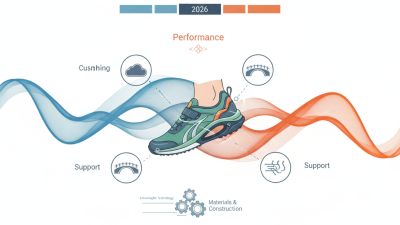
Selection should begin with measurable specifications. Check cushioning consistency, outsole grip, material breathability, weight, size accuracy, and expected service life. For electronic equipment, verify battery performance, water resistance, data protection, and regional charging compatibility. World Athletics’ Competition and Technical Rules 2025 show how strict technical requirements can influence competition footwear. Even non-competition products benefit from clear testing records. Ask for laboratory reports, material declarations, and quality-control samples, not only marketing claims.
Climate testing is often overlooked. A lightweight mesh may perform well in dry conditions but weaken quickly in heavy rain. Packaging also matters when shipments cross humid ports or face long warehouse storage. Buyers should compare landed cost, defect rates, replacement parts, and delivery reliability. The International Energy Agency reported that global electricity demand rose by 4% in 2024, reminding buyers that energy use and charging access deserve attention. A perfect scorecard is unrealistic. I would leave room for field trials, because catalog data rarely reveals uncomfortable seams, slippery grips, or confusing controls.