What Are Sports Sneakers? Key Features and Benefits You Should Know
The rapid growth of the sports footwear market has propelled sports sneakers into the spotlight, fundamentally reshaping how enthusiasts and casual users approach athletic activities. According to recent industry reports, the global sports footwear market is projected to reach approximately $120 billion by 2026, with sports sneakers accounting for a significant portion of this growth. As consumers increasingly prioritize comfort, performance, and style, the demand for sports sneakers has surged, driven by innovations in design and technology.
Sports sneakers are engineered to meet the diverse needs of athletes and fitness aficionados alike. They offer a unique blend of functionality and aesthetics, providing not only support during physical activities but also a fashionable appearance for everyday wear. A comprehensive study by the Sports and Fitness Industry Association highlights that nearly 60% of adults engage in some form of sports or exercise, underscoring the importance of quality footwear that enhances performance and reduces the risk of injury. From running to gym workouts, understanding the key features and benefits of sports sneakers is essential for anyone looking to optimize their athletic experience and achieve their fitness goals.
Definition and Overview of Sports Sneakers
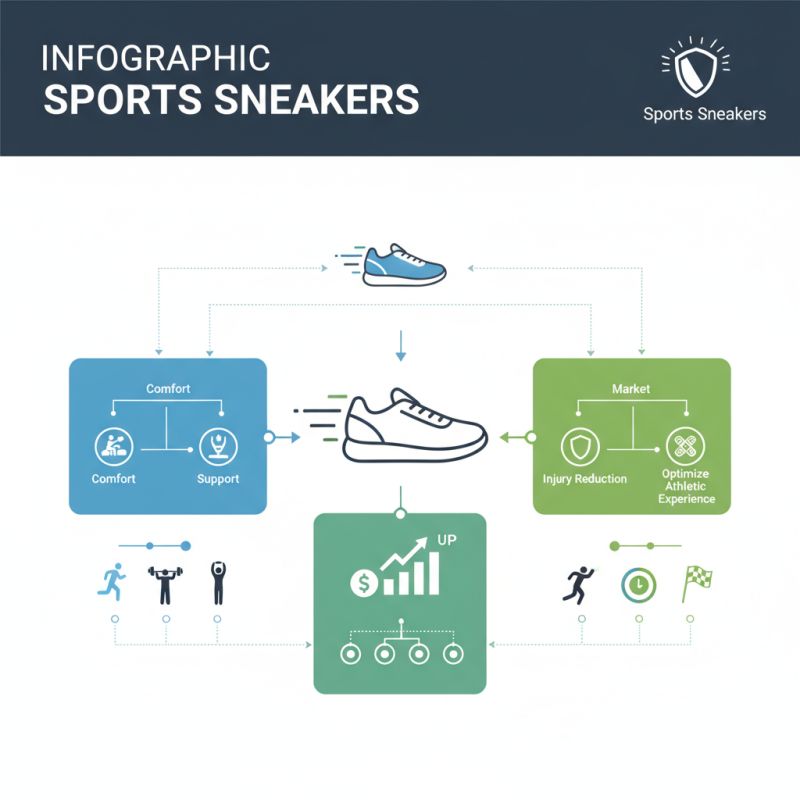
Sports sneakers are specialized footwear designed to provide comfort, support, and performance during various physical activities. These shoes are characterized by their lightweight construction, flexible materials, and cushioned soles, which contribute to both functionality and style. The primary goal of sports sneakers is to enhance athletic performance while reducing the risk of injury. They are suitable for a wide range of sports and fitness activities, from running and basketball to gym workouts and casual sports.
A key feature of sports sneakers is their targeted design to accommodate specific movements associated with different sports. For instance, running sneakers often feature ample cushioning to absorb impact, while court shoes provide lateral support for quick side-to-side movements. Additionally, the materials used in sports sneakers often include breathable fabrics to keep the feet cool and dry during intense activity. The outsoles are crafted with traction patterns optimized to enhance grip on various surfaces, ensuring athletes can perform at their best. Overall, sports sneakers play a vital role in athletic endeavors by combining innovation and ergonomic design, ultimately fostering an enjoyable and injury-free experience.
What Are Sports Sneakers? Key Features and Benefits You Should Know
| Feature |
Description |
Benefits |
| Cushioning |
Foam or gel padding that absorbs impact. |
Reduces fatigue and improves comfort during physical activity. |
| Traction |
Outsole patterns designed for grip on various surfaces. |
Enhances stability and prevents slips while running or playing sports. |
| Breathability |
Materials like mesh that allow air circulation. |
Keeps feet cool and dry, enhancing comfort during exercise. |
| Support |
Features like arch support and heel counters. |
Helps maintain foot alignment and prevent injuries. |
| Lightweight |
Use of lightweight materials in construction. |
Facilitates speed and agility, reducing fatigue. |
| Style |
Trendy designs and color options available. |
Allows personal expression while being functional. |
Key Features of Sports Sneakers: Materials and Design
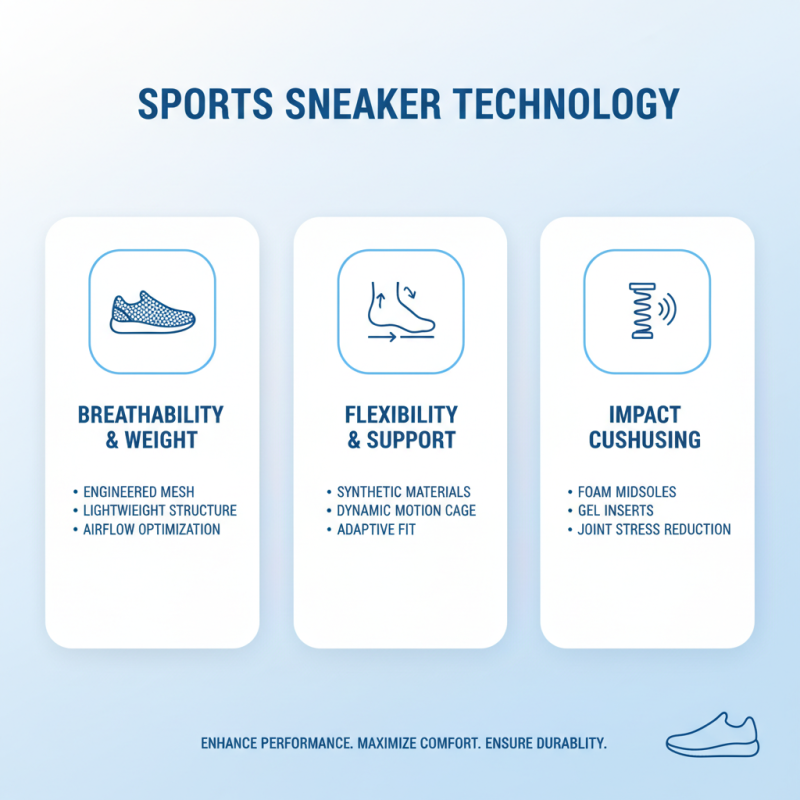
Sports sneakers are designed with specific materials and design features that enhance performance, comfort, and durability for athletes and casual users alike. One of the primary materials used in sports sneakers is engineered mesh, which provides breathability while keeping the shoe lightweight. Additionally, synthetic materials often contribute to the shoe's flexibility and support, allowing for a natural range of motion. Many sneakers also incorporate cushioning materials, such as foam or gel inserts, which absorb impact and reduce stress on joints during physical activities.
The design of sports sneakers often emphasizes functionality alongside style. Features such as a supportive midsole and a structured outsole improve stability and grip, which are essential for various sports and workouts. Furthermore, many sneakers incorporate technologies like moisture-wicking linings and antimicrobial treatments to ensure comfort during extended use. The combination of these materials and design elements makes sports sneakers a vital choice for individuals looking to enhance their athletic performance while maintaining a stylish appearance.
Performance Benefits of Wearing Sports Sneakers
Sports sneakers are designed not just for style but also to enhance performance in various physical activities. One of the primary benefits of wearing sports sneakers is their ability to provide superior support and cushioning. This is essential when engaging in sports or workouts, as proper foot support can significantly reduce the risk of injuries such as sprains or stress fractures. The cushioning technology used in sports sneakers absorbs impact, making it easier to engage in high-impact exercises without causing discomfort or strain on your joints.
Tip: When choosing sports sneakers, always consider the type of activity you'll be performing. For running, look for shoes that offer extra cushioning and lightweight designs. For court sports, opt for sneakers that provide lateral support to prevent ankle rolling.
In addition to support and cushioning, sports sneakers can improve overall athletic performance through features such as breathability and traction. Breathable materials help regulate temperature and moisture, keeping your feet dry and comfortable during intense workouts. Meanwhile, specialized outsoles provide the traction needed to maintain stability on various surfaces, whether you're running on a trail or making quick turns on a basketball court.
Tip: Make sure to try on sneakers with the socks you usually wear during exercise, and walk around to ensure they fit well and provide adequate comfort. A well-fitted sneaker is crucial for maximizing performance and reducing the chances of blisters or discomfort.
Performance Benefits of Wearing Sports Sneakers
Choosing the Right Sports Sneakers for Different Activities
When selecting the right sports sneakers, it is crucial to consider the specific activity for which they will be used. Different sports demand varying levels of support, cushioning, and traction. For example, running shoes typically feature lightweight materials and ample cushioning to absorb impact, ensuring comfort over long distances. They also provide flexibility to promote a natural running motion.
On the other hand, basketball sneakers often emphasize ankle support and traction to facilitate quick lateral movements, helping players maintain stability during intense gameplay.
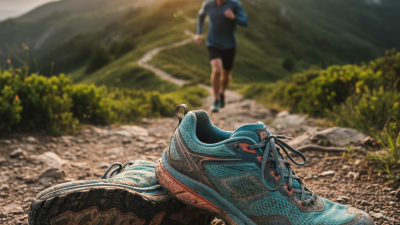
Additionally, for activities like hiking, sneakers should come equipped with durable outsoles for enhanced grip on uneven terrains, as well as breathable materials to keep feet cool and dry. Training shoes, designed for versatility, often have a balance of cushioning and stability, making them suitable for gym workouts, aerobics, and cross-training. Understanding the unique characteristics of different sports sneakers can significantly enhance performance and prevent injuries, allowing individuals to enjoy their preferred activities with confidence and comfort.
Care and Maintenance Tips for Sports Sneakers
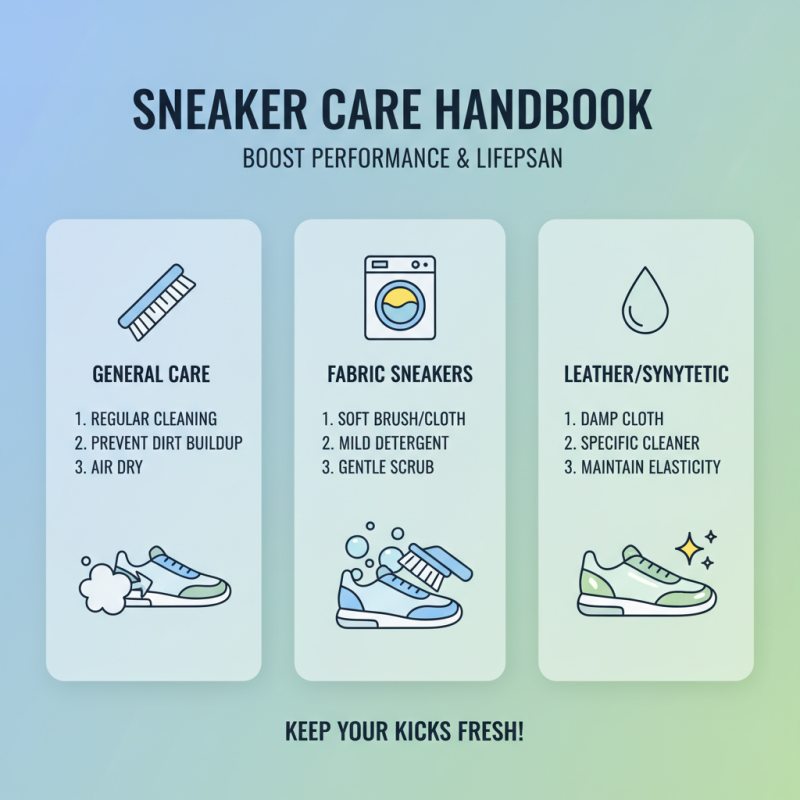
Taking good care of your sports sneakers is essential for maximizing their performance and lifespan. Regular cleaning can prevent dirt and grime from accumulating, which can damage the materials over time. For fabric sneakers, using a soft brush or cloth with mild detergent can effectively remove stains without harming the fabric. For leather or synthetic materials, a damp cloth followed by a specific cleaner can help maintain their appearance and elasticity.
Proper storage is another important aspect of care and maintenance. When you're not wearing your sneakers, it’s best to keep them in a cool, dry place to avoid moisture buildup that can lead to unpleasant odors or mold development. Utilizing shoe trees can help maintain their shape, reducing creasing and extending their longevity.
Lastly, regularly checking for wear and tear is crucial. Replace insoles when they lose their cushioning, and keep an eye on the soles for signs of excessive wear. Addressing these issues early can prevent more significant problems down the line, ensuring your sports sneakers continue to support your activities effectively.