Top Tips for Choosing Hiking Tennis Shoes for Ultimate Comfort and Performance
When it comes to exploring the great outdoors, having the right footwear is essential for an enjoyable and safe experience. Hiking tennis shoes are an excellent choice for outdoor enthusiasts who seek both comfort and performance on rugged terrains. Unlike traditional hiking boots, hiking tennis shoes offer a lightweight design that allows for greater agility and flexibility, which is crucial for navigating through varied landscapes. The right pair can significantly enhance your hiking experience by providing adequate support, cushioning, and traction.
As you embark on your quest for the perfect hiking tennis shoes, it's important to consider various factors that contribute to both comfort and functionality. From the materials used to the fit and tread patterns, each aspect plays a vital role in ensuring that your feet remain protected and comfortable throughout your adventures. In this guide, we will explore top tips to help you select hiking tennis shoes that not only meet your specific needs but also provide the ultimate blend of stability and breathability. By considering these essential features, you'll be better equipped to make an informed decision, allowing you to fully enjoy your time on the trails.
Understanding the Importance of Proper Fit for Hiking Tennis Shoes
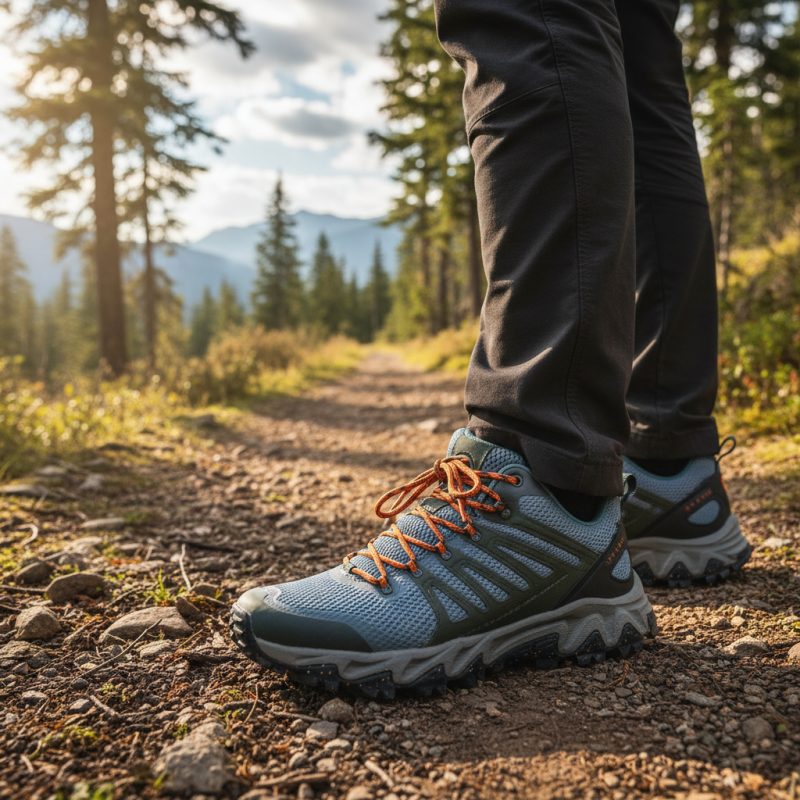
When it comes to hiking tennis shoes, achieving the perfect fit is paramount for ensuring comfort and enhancing performance. A well-fitted shoe allows for the natural movement of the foot, preventing issues such as blisters, calluses, and other discomforts that can derail a hiking adventure. To find the right size, it’s essential to measure both feet as they can vary in size; be sure to try on shoes in the afternoon when feet are slightly swollen, as this mimics the conditions they will experience during long hikes.
In addition to size, the shape and design of the shoe must complement the unique contours of your feet. Look for features like a snug heel, enough toe box space, and secure laces to keep your foot stable during uneven terrains. It’s also beneficial to consider the type of socks you’ll wear, as thicker materials can impact the fit of the shoe. Ultimately, a shoe that fits correctly will provide the necessary support for various hiking trails, enhancing your overall experience and helping you stay focused on the journey ahead.
Evaluating Cushioning and Support: Key Factors for Comfort
When selecting hiking tennis shoes, the evaluation of cushioning and support is essential for ensuring maximum comfort on the trails. Proper cushioning helps absorb impact during long hikes, reducing strain on the feet and joints. Look for shoes with midsole technology designed to provide excellent shock absorption, which can significantly enhance your trekking experience. A well-cushioned shoe not only decreases fatigue but also contributes to a more enjoyable journey, allowing you to focus on the scenery rather than discomfort.
Support is another critical factor to consider in hiking shoes. A stable shoe structure can prevent injuries by offering adequate ankle support and preventing overpronation. Evaluate options with a reinforced heel and arch support, which can help distribute weight evenly across the foot. Additionally, opting for shoes that include a supportive insole can further enhance comfort, accommodating the natural shape of your feet. By prioritizing both cushioning and support, you can ensure that your hiking experience is comfortable and performance-oriented, allowing you to conquer the trails with ease.
Analyzing Traction and Outsole Materials for Optimal Performance
When selecting hiking tennis shoes, understanding the traction and outsole materials is crucial for ensuring optimal performance on various terrains. According to a report from the American Hiking Society, the choice of outsole significantly affects grip and stability, enabling hikers to navigate challenging paths safely. Shoes with rubber outsoles often provide better traction due to their superior grip characteristics, especially in wet or rocky conditions. High-quality rubber blends can help enhance durability and performance, making them ideal for both casual hikers and seasoned adventurers.
Tip: Always look for shoes featuring multidirectional lugs on the outsole. These lugs help in gripping uneven surfaces, providing better control and minimizing the risk of slips or falls while hiking.
In addition to traction, the flexibility and responsiveness of the outsole impact overall comfort. A recent study by the Journal of Foot and Ankle Research stated that a well-cushioned outsole can absorb shock, reducing fatigue and discomfort during long treks. For optimal comfort, consider shoes that utilize EVA (ethylene-vinyl acetate) foam, known for its lightweight properties and cushioning ability, allowing for effective energy return with each step.
Tip: Prioritize trying on different models to assess the outsole's flex point—this should align with your foot's natural movement to avoid injury and enhance longevity during hikes.
Considering Breathability and Weather Resistance in Hiking Shoes
When selecting hiking tennis shoes, one of the most critical factors to consider is the balance between breathability and weather resistance. Breathability is essential for keeping your feet comfortable during long hikes, especially in warm conditions. Shoes that feature materials with good ventilation allow moisture and heat to escape, reducing the risk of blisters and discomfort. Look for shoes with mesh panels or moisture-wicking linings that promote airflow while maintaining a snug fit.
On the other hand, weather resistance cannot be overlooked, particularly if you're hiking in unpredictable conditions. Waterproof materials, along with sealed seams, help protect your feet from rain, mud, and puddles. It's crucial to strike a balance; a shoe that is entirely waterproof may sacrifice breathability and could lead to overheating on hot days. Therefore, consider the environments you plan to hike in and select shoes that offer a blend of these qualities, providing comfort and protection regardless of the weather conditions you may encounter on your outdoor adventures.
Comparing Weight and Flexibility for Enhanced Mobility on Trails
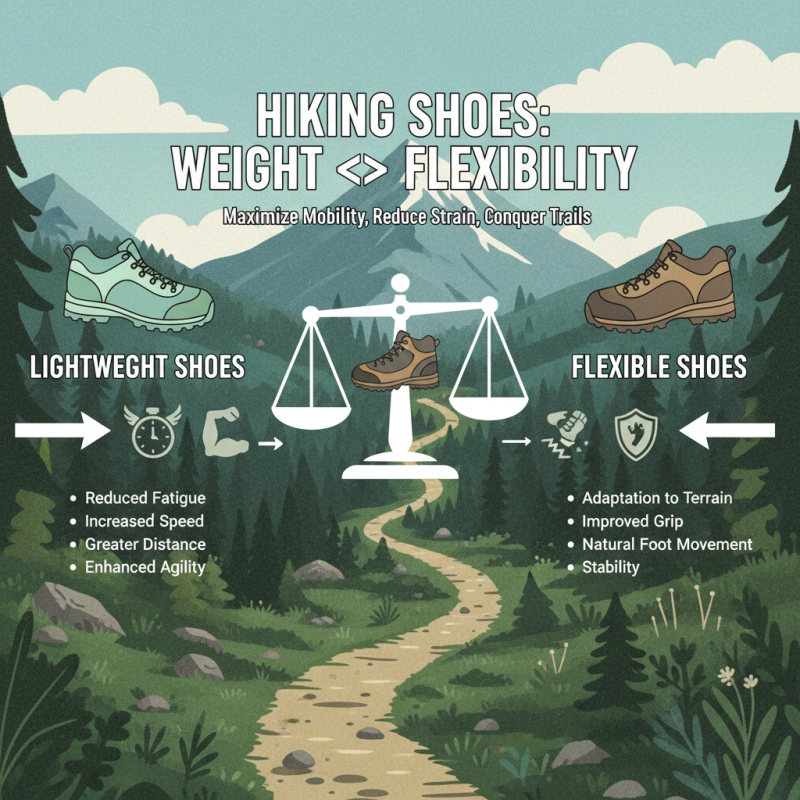
When selecting hiking tennis shoes, understanding the balance between weight and flexibility is crucial for maximizing your mobility on trails. Lightweight shoes can significantly reduce fatigue during long treks, allowing you to cover greater distances with ease. They help minimize the strain on your legs, which is particularly important when navigating uneven terrain. A shoe that is lighter often allows for a quicker step, enhancing your overall hiking rhythm and performance.
On the other hand, flexibility in hiking shoes is equally vital. A shoe that bends and moves with your foot can provide a more natural walking experience. This flexibility allows your feet to adapt to various surfaces, whether rocky paths or muddy trails, giving you greater confidence in your movements. However, too much flexibility can compromise support and stability, leading to discomfort or even injury over time. Finding the right balance between a lightweight design and optimum flexibility will ensure that your hiking experience is both comfortable and enjoyable, enabling you to truly connect with nature.