China Top 10 Running Shoe Manufacturers for Global Buyers
China has become a major sourcing base for running shoes, serving brands, retailers, and distributors worldwide. Its manufacturers offer flexible production, competitive pricing, and growing technical capabilities. However, choosing a reliable supplier requires more than reviewing a product catalog.
This guide examines ten leading Chinese manufacturers for global buyers. It considers factory experience, material selection, development services, production capacity, quality systems, and export performance. Practical details matter. A strong supplier should explain its foam density, outsole compound, stitching standards, and testing procedures clearly. Sample evaluation is also essential. Check heel stability, mesh breathability, glue finishing, and comfort after extended wear.
No supplier fits every business. That is worth remembering. A startup may need small minimum orders and fast prototypes. A large retailer may prioritize automated production, consistent sizing, and long-term capacity. Some factories excel in private-label development, while others focus on athletic performance or large-volume orders. These differences can change the final decision.
The manufacturers discussed here are assessed from a buyer’s perspective, not only by marketing claims. Certifications, communication habits, factory visits, and independent product inspections should support any purchasing decision. Even experienced buyers can miss small weaknesses, such as uneven sole bonding or delayed sample revisions. Careful verification remains necessary. This overview aims to provide a practical starting point for businesses seeking dependable running shoes suppliers in China, while recognizing that supplier performance can vary by project, season, and contract terms.
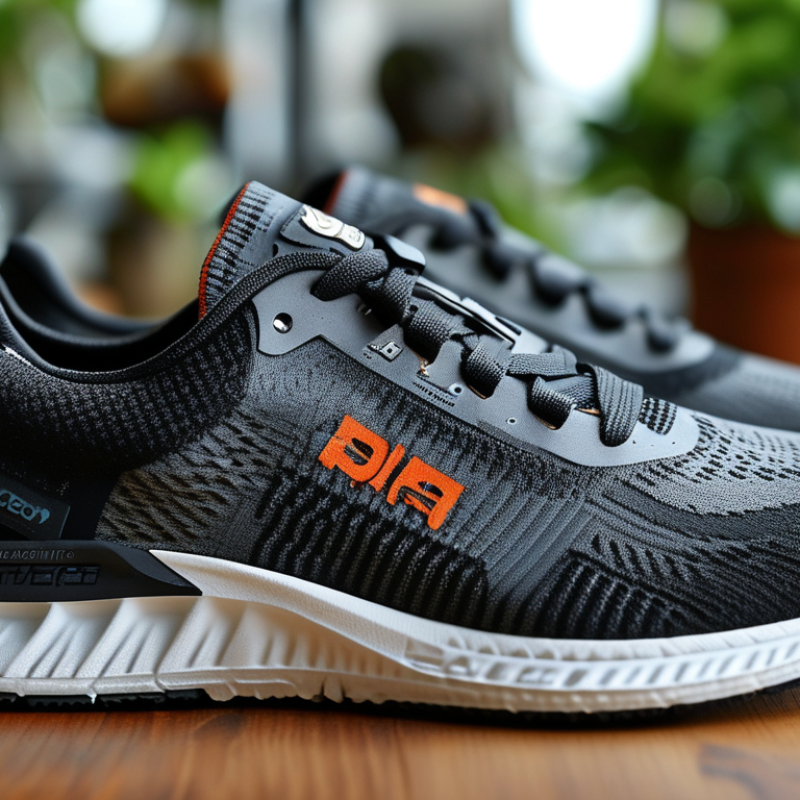
China’s Running Shoe Manufacturing Landscape for Global Buyers
China’s running shoe manufacturing landscape is diverse, with strong production clusters in Fujian, Guangdong, and Zhejiang. Each region offers different strengths in materials, labor, and factory scale. Some manufacturers focus on high-volume athletic footwear, while others handle smaller custom orders. This range helps global buyers match production capacity with market demand.
In practice, factory evaluation should begin with the sample room. Inspect stitching, heel structure, foam density, outsole bonding, and reflective details under normal light. Ask for test records covering abrasion, flexing, slip resistance, and colorfastness. A reliable manufacturer should explain its material sources and production controls clearly. It should also provide realistic minimum order quantities, lead times, and packaging specifications. Promises alone are not evidence.
Communication remains a practical challenge. Technical drawings can lose meaning during translation. A detailed specification sheet reduces costly misunderstandings. Buyers should review pre-production samples and confirm size grading before mass production. Factory audits can reveal crowded storage areas, weak inspection routines, or inconsistent labeling. These details matter more than polished showroom displays. The process is rarely perfect. Even experienced buyers may overlook a small fit issue until wear testing begins. Independent testing and staged payments can reduce that risk without creating unnecessary pressure on either side.
China Top 10 Running Shoe Manufacturers for Global Buyers
China’s Running Shoe Manufacturing Landscape for Global Buyers
| Rank | Manufacturing Profile | Primary Production Cluster | Core Running Shoe Capabilities | Common Materials | Typical MOQ | Sample Lead Time | Bulk Lead Time | Quality and Compliance Support |
|---|---|---|---|---|---|---|---|---|
| 1 | Performance Footwear Factory A | Jinjiang and Quanzhou, Fujian | EVA running shoes, lightweight trainers, compression-molded midsoles, private-label development | Engineered mesh, knitted textile, EVA, rubber, TPU, recycled polyester | 500–1,000 pairs per color | 7–15 days | 35–60 days | Material testing, size-set inspection, in-line QC, final AQL inspection, export documentation |
| 2 | Athletic Footwear Factory B | Putian, Fujian | Cushioned daily trainers, knit uppers, direct-attach construction, flexible casual-performance footwear | Fly-knit or woven mesh, EVA or supercritical foam, carbon rubber, synthetic overlays | 300–800 pairs per color | 10–18 days | 40–65 days | Prototype review, wear-test coordination, adhesive checks, carton inspection, product traceability |
| 3 | Technical Sports Shoe Factory C | Dongguan, Guangdong | Technical development, complex upper assemblies, trail-running shoes, multi-density sole units | Ripstop mesh, TPU film, molded TPU, EVA, rubber compounds, waterproof membranes | 500–1,500 pairs per style | 12–21 days | 45–75 days | Material verification, laboratory coordination, functional testing, production audits, corrective-action reporting |
| 4 | ODM Development Factory D | Wenzhou, Zhejiang | Stock outsole platforms, fast ODM adaptation, entry-level trainers, seasonal collections | Polyester mesh, PU overlays, EVA, TPR, rubber, synthetic leather | 300–1,000 pairs per style | 7–14 days | 30–55 days | Basic material reports, production inspection, packaging review, barcode and labeling support |
| 5 | Large-Volume Athletic Factory E | Huidong, Guangdong | High-volume assembly, basic road-running shoes, school and fitness footwear, export packaging | Mesh, synthetic leather, EVA, rubber, PVC-free components, polyester lining | 1,000–3,000 pairs per color | 10–18 days | 35–60 days | Incoming-material inspection, line inspection, finished-goods sampling, container loading checks |
| 6 | Comfort Running Shoe Factory F | Chengdu, Sichuan | Comfort-focused walking and running shoes, lightweight uppers, value-oriented development | Circular-knit textile, mesh, EVA, rubber, molded foam, recycled fibers | 500–1,500 pairs per style | 10–20 days | 40–70 days | Fit approval, comfort testing, stitching inspection, packaging compliance, pre-shipment inspection |
| 7 | Sustainable Footwear Factory G | Quanzhou, Fujian | Recycled-material programs, low-impact packaging, private-label road-running shoes | Recycled polyester, recycled EVA, water-based adhesives, mesh, rubber | 500–1,500 pairs per style | 12–20 days | 45–75 days | Recycled-content documentation, chemical compliance support, restricted-substance testing, supplier audits |
| 8 | Trail and Outdoor Factory H | Fuzhou, Fujian | Trail-running shoes, outdoor trainers, reinforced toe caps, lugged outsoles | Ripstop textile, mesh, TPU protection, EVA, rubber lugs, moisture-control lining | 800–2,000 pairs per style | 14–24 days | 50–80 days | Outsole traction checks, flex testing, abrasion testing, water-resistance coordination, final inspection |
| 9 | Flexible Small-Batch Factory I | Ningbo, Zhejiang | Small-batch sampling, e-commerce footwear, rapid color changes, basic performance trainers | Mesh, knit, microfiber, EVA, rubber, molded synthetic components | 200–500 pairs per color | 7–14 days | 30–50 days | Fit checks, visual inspection, size grading, online-order packaging, export carton marking |
| 10 | Integrated OEM/ODM Factory J | Eastern and Southern China Footwear Network | Design-to-production coordination, multiple outsole options, global private-label fulfillment | Engineered mesh, knit, synthetic leather, EVA, TPU, rubber, recycled materials | 500–2,000 pairs per style | 10–21 days | 40–75 days | Technical specifications, third-party testing coordination, factory audits, AQL inspection, shipment documentation |
Related Posts
-
The Ultimate Guide to Choosing the Best Athletic Running Shoes for Every Runner
-
Why Running Shoes Matter: Unlocking Performance and Comfort for Every Runner
-
2026 Best Running Shoes for Comfort and Performance?
-
Top 5 Tips for Choosing Running Shoes at 2026 Canton Fair?
-
Ultimate Guide to Choosing the Best Running Sneakers for You?
-
How to Choose the Best Athletic Running Shoes for Comfort?