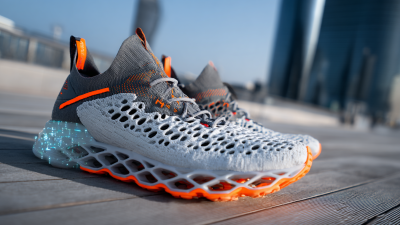
In the ever-evolving world of athletics, the right gear can make all the difference in performance, and this is particularly true for sports footwear. As we move towards 2025, athletes are not only searching for shoes that provide comfort and support but also those that incorporate advanced technology to enhance their gameplay. From running to basketball, the demand for innovative designs that cater to specific sports needs has never been higher. In this article, we will explore the top five trending sports footwear options that promise to elevate every athlete's game, ensuring they stay competitive while also prioritizing their health and well-being.
Understanding the dynamics of sports footwear is essential for any dedicated athlete. The right pair can influence speed, agility, and overall performance while reducing the risk of injury. As we delve into the latest trends, we'll provide tips on selecting the best footwear suited for various sporting activities. Whether you're a seasoned professional or an enthusiastic amateur, having informed knowledge about the latest innovations in sports footwear can empower you to make choices that align with your athletic goals. Join us as we highlight the must-have features and styles that will lead the way in 2025, revolutionizing how athletes approach their training and competition.
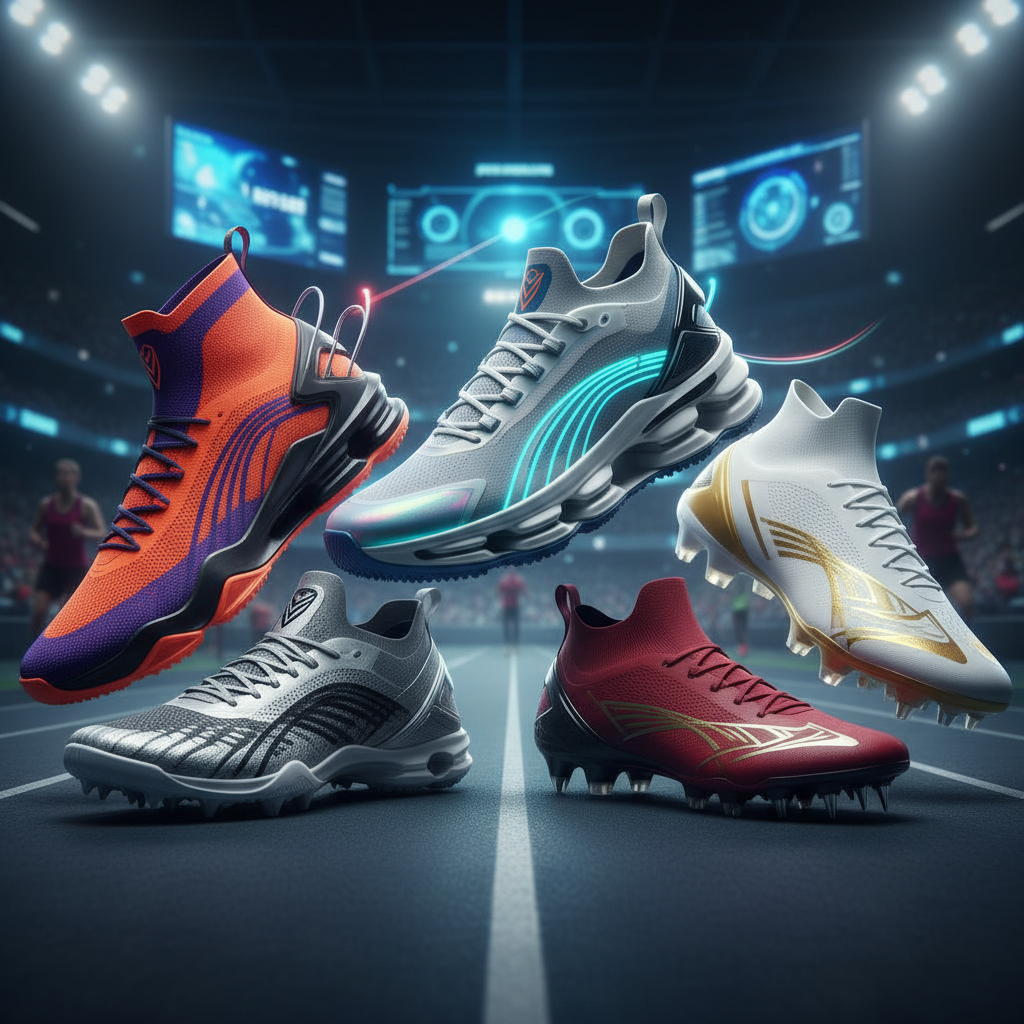
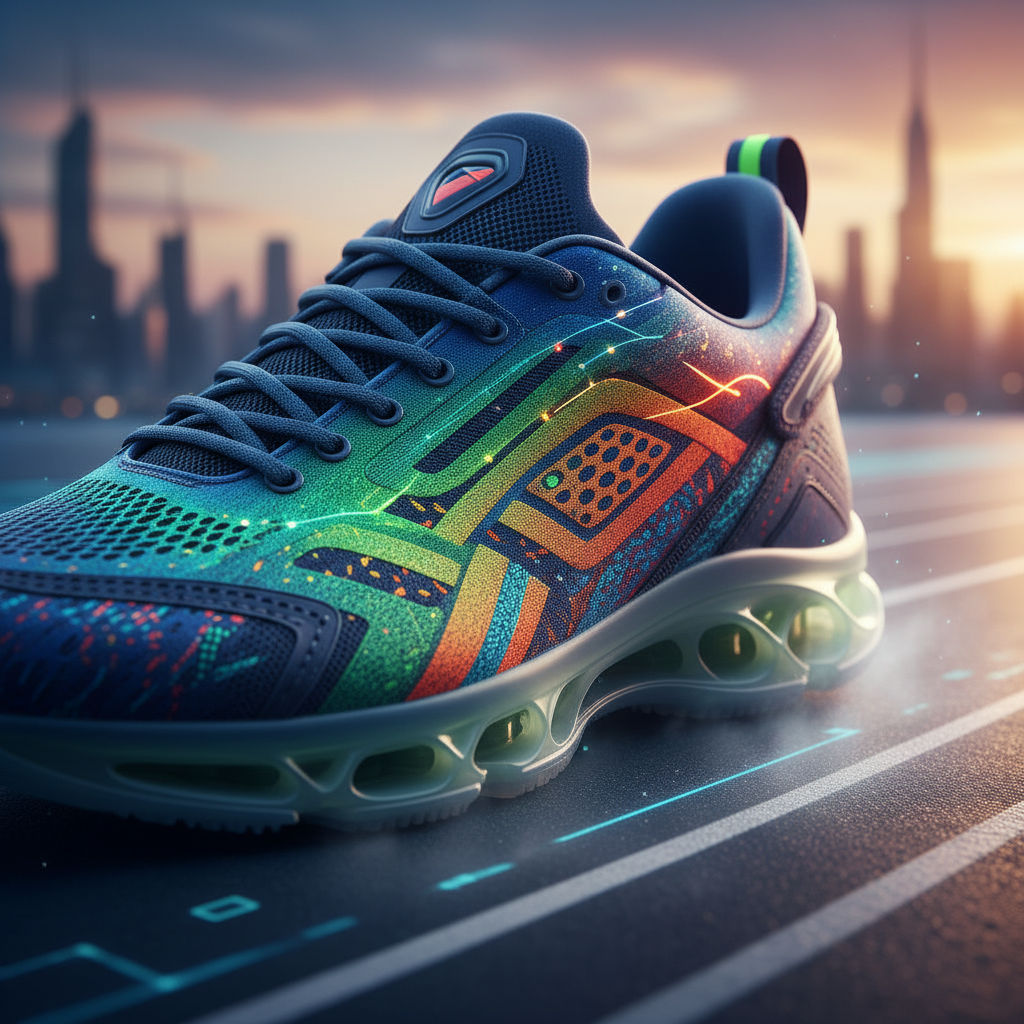
In 2025, the landscape of sports footwear is being transformed by a surge of innovative technologies that cater to the needs of every athlete. One of the standout advancements is the integration of smart fabrics that adapt to an athlete's performance and environmental conditions. These materials not only provide enhanced breathability and comfort but also feature moisture-wicking properties and thermal regulation, ensuring optimal performance in varying climates.
Moreover, 3D printing technology is revolutionizing the customization of sports shoes. This allows athletes to create footwear tailored specifically to their foot shape and preferred support levels, significantly reducing the risk of injury. Additionally, advancements in cushioning technology, such as responsive foam and energy-return systems, are providing improved shock absorption and stability. As a result, athletes are empowered with footwear that not only enhances their performance but also minimizes fatigue, setting a new standard for success in their games.
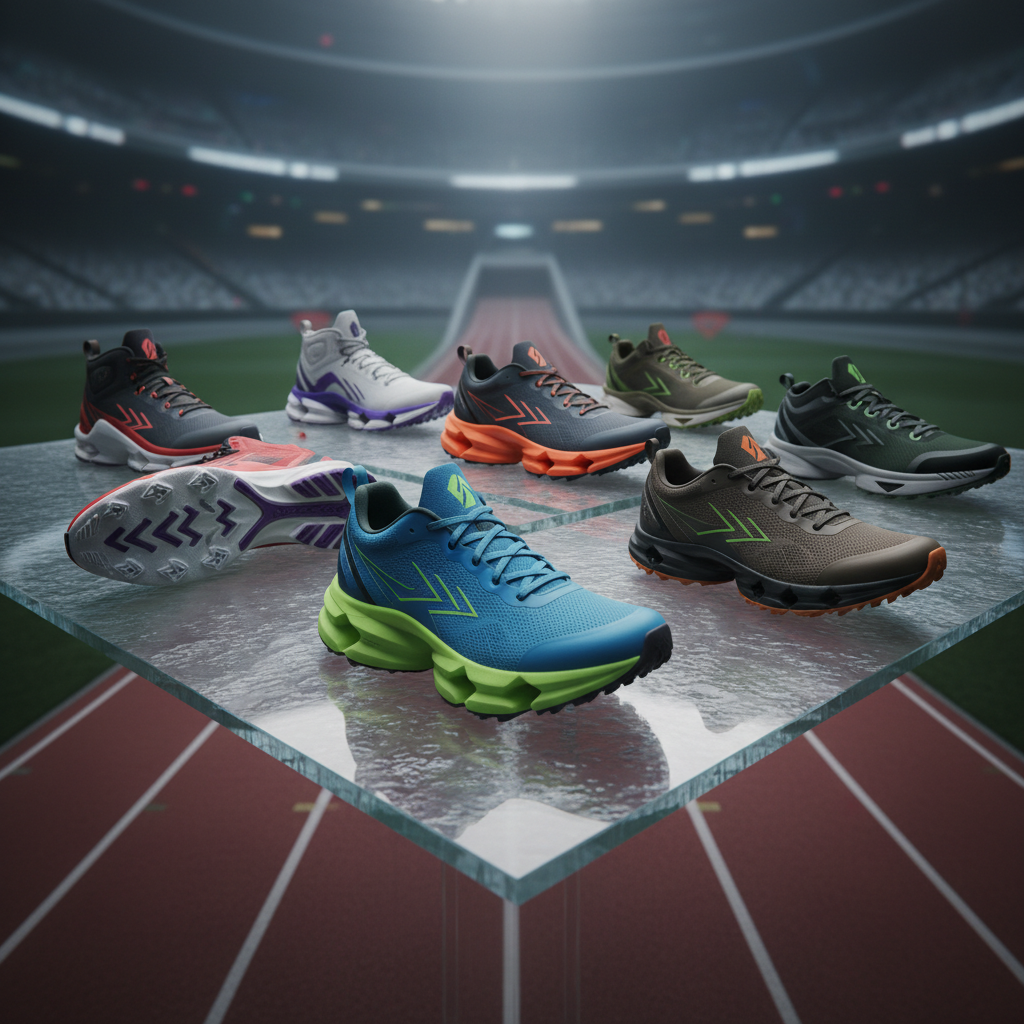
In 2025, athletes across various sports are seeking footwear that seamlessly combines performance with comfort. When selecting sports shoes, key features to consider include cushioning, stability, grip, and weight. These elements can significantly enhance the overall experience in training and competition, catering to each sport's unique demands.
One standout feature is cushioning, designed to absorb impact and provide comfort during long runs or intense workouts. Look for shoes that incorporate advanced foam technologies to deliver optimal energy return. Additionally, stability is paramount for sports requiring quick lateral movements. Supportive structures, like reinforced heels and midsoles, can help maintain foot alignment and prevent injuries.
Tips: Always try shoes in the late afternoon when your feet are slightly swollen to ensure a true fit. Pay attention to the shoe's weight; lighter models can improve speed, especially for racing. Lastly, don't hesitate to consult expert reviews to find models tailored to your specific needs, whether you're running, training, or competing.
The footwear industry is witnessing a significant shift towards sustainability, prompting brands to adopt eco-friendly practices in their manufacturing processes. As awareness of environmental issues grows, leading companies are exploring innovative materials, such as recycled plastics and organic cotton, to reduce their carbon footprint. By incorporating materials that minimize waste and using water-efficient techniques, these brands are not only contributing to the environment but also appealing to a generation of athletes who prioritize sustainability.
Moreover, the production of sustainable sports footwear goes beyond materials; it encompasses an entire lifecycle approach. Brands are investing in technologies that enhance the durability of their products, thus extending their lifespan and reducing the need for frequent replacements. Furthermore, many manufacturers are implementing take-back programs, encouraging customers to return old footwear for recycling. This circular economy model not only promotes recycling but also fosters a sense of responsibility among consumers, driving a collective movement towards more sustainable sports apparel. As the eco-friendly footwear revolution continues to gain momentum, athletes can confidently choose products that align with their values and contribute to a healthier planet.
| Footwear Type | Key Features | Sustainable Materials | User Category | Price Range |
|---|---|---|---|---|
| Running Shoes | Lightweight, Breathable, Cushioning | Recycled Plastics, Organic Cotton | Runners, Fitness Enthusiasts | $80 - $150 |
| Basketball Shoes | High Ankle Support, Durability | Vegan Leather, Natural Rubber | Basketball Players, Streetwear Fans | $100 - $200 |
| Trail Running Shoes | Enhanced Traction, Waterproof | Recycled EVA, Hemp Fiber | Outdoor Enthusiasts, Trail Runners | $90 - $170 |
| Lifestyle Sneakers | Stylish, Versatile, Comfort Fit | Sustainable Canvas, Recycled Rubber | Casual Wearers, Trendsetters | $60 - $130 |
| Cross-Training Shoes | Supportive, Multi-Surface Grip | Recycled Nylon, Eco-Friendly Foam | Fitness Trainers, Gym Goers | $70 - $140 |
In 2025, the fusion of style and function in sports footwear reaches new heights, catering to athletes who demand both performance and aesthetic appeal. Recent industry reports indicate that the global sports footwear market is projected to reach $120 billion by 2025, with an annual growth rate of 6.8% driven by innovative designs and technologies. Brands are increasingly focusing on lightweight materials and adaptive fit mechanisms, crucial features that enhance athletic performance while aligning with the latest fashion trends.
Among the top trending designs, sustainable materials are taking center stage, as consumers become more environmentally conscious. A study by the Footwear Distributors and Retailers of America shows that 62% of athletes consider sustainability an important factor when purchasing footwear. Consequently, brands are leveraging eco-friendly resources, such as recycled plastics and biodegradable materials, to create high-performance shoes that support both the planet and the athlete. As functionality and style converge, athletes can expect footwear that not only serves their specific sport but also reflects their personal style and commitment to sustainability.
As we step into 2025, the sports footwear market is witnessing remarkable changes, driven by innovation and consumer preferences. Major brands like Nike, Adidas, and Puma continue to dominate, but emerging players such as On and Hoka are making significant strides. These brands blend cutting-edge technology with sustainable practices, ensuring that athletes not only perform at their best but also feel good about their choices.
When selecting sports footwear, consider the specific needs of your activity. For runners, look for shoes with ample cushioning and breathability. For basketball players, prioritize ankle support and traction. To extend the lifespan of your footwear, always clean them after use and store them in a cool, dry place.
Another tip is to pay attention to fit over style. A well-fitting shoe can prevent injuries and enhance performance. Many brands offer customization options, allowing you to choose colors and materials that match your personality while prioritizing functionality. Keep an eye on the latest trends, but remember that comfort and support should always be your top priorities when choosing footwear for your sport.