Why Buy Gym Equipment Wholesale for Your Business?
Buying Gym Equipment wholesale can transform how a fitness business builds its training environment. Instead of purchasing one treadmill or rack at a time, owners can source coordinated equipment in larger quantities. This approach may reduce unit costs, simplify supplier communication, and support a consistent customer experience.
A commercial gym might need squat racks, adjustable benches, cable machines, dumbbells, flooring, and storage systems. Wholesale purchasing helps these items arrive with compatible specifications and matching finishes. It can also make expansion more predictable when membership numbers increase. However, the lowest price is not always the best value. Equipment quality, warranty coverage, shipping conditions, installation support, and replacement-part availability deserve careful review.
Practical experience matters here. A supplier should provide clear product details, load ratings, maintenance guidance, and credible business references. Buyers should inspect frame construction, upholstery seams, grip materials, and safety features before placing a large order. A small test purchase can reveal delivery delays or uncomfortable designs before they affect an entire facility. That step takes time.
Reliable planning also requires more than comparing quotations. Business owners should calculate storage space, staff training needs, repair schedules, and expected equipment usage. Some wholesale packages look attractive but include machines that clients rarely use. Others may offer excellent prices while creating expensive maintenance problems later. Careful research and professional advice can reduce those risks. Wholesale buying is not automatically smarter. It becomes valuable when quantity, quality, service, and long-term business goals work together.
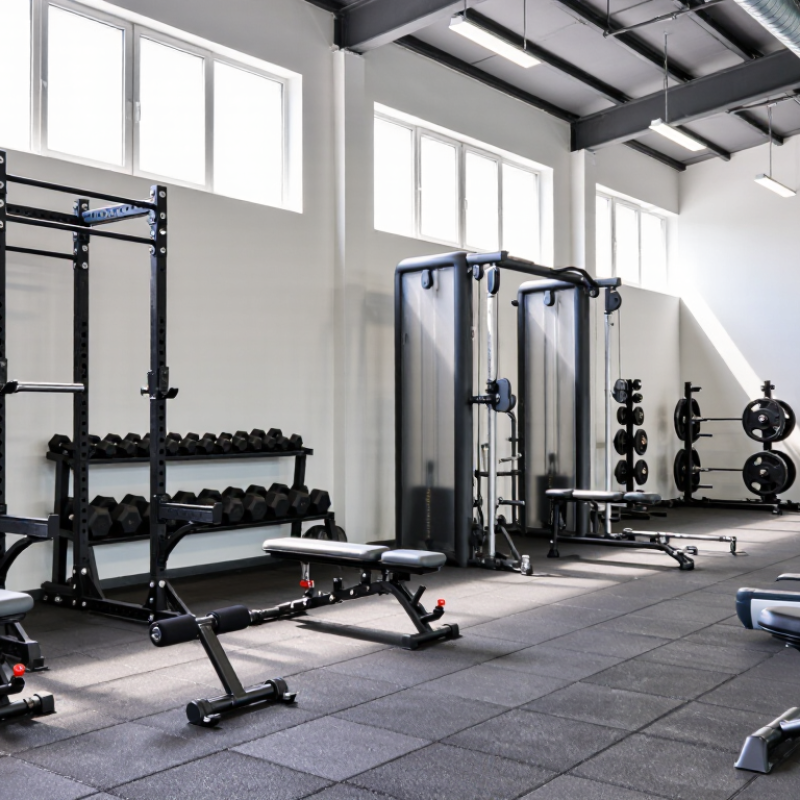
What Gym Equipment Wholesale Means for Business Buyers
Gym equipment wholesale means purchasing multiple units for business use, usually through a distributor or commercial supplier. It is more than buying in bulk. Buyers negotiate unit prices, minimum order quantities, shipping terms, warranties, and replacement-part access. In procurement practice, these details often matter more than a small discount.
Demand supports careful investment. The Health & Fitness Association reported 72.9 million U.S. fitness facility members in 2023, a 5.8% increase from 2022. More members can create heavier equipment use and faster maintenance cycles.
A wholesale order may help a new studio equip several training zones at once. It can also keep benches, racks, and plates visually consistent. That consistency feels professional.
The margin is real. Not always. A low unit price can hide freight costs, installation fees, storage needs, or slow-moving equipment. ACSM’s Worldwide Survey of Fitness Trends for 2024 ranked free-weight training among leading trends, while wearable technology ranked first. Buyers should connect these findings with their customers’ habits, not copy a report blindly.
A strength-focused facility may need several adjustable benches, durable flooring, and spare cables. A small coaching studio may need fewer machines but better space efficiency. Ask for test units when possible. Check welds, adjustment points, noise, packaging, and service response before committing.
Wholesale works best when the order reflects actual member behavior, available floor space, and realistic cash flow.
How Wholesale Purchasing Lowers Equipment Costs
Wholesale purchasing can lower gym equipment costs by spreading fixed expenses across more units. One commercial-grade treadmill may carry separate freight, inspection, and installation charges. A pallet shipment can reduce the cost per machine. It also gives operators stronger negotiating leverage on volume pricing, spare parts, and delivery schedules.
The Health & Fitness Association’s 2024 Global Report recorded 72.9 million U.S. fitness facility members in 2023. That scale increases demand for dependable equipment and creates opportunities for planned bulk procurement. Research and Markets’ Fitness Equipment Market analysis also identifies commercial facilities as a major growth segment. Suppliers often price larger orders more efficiently because production and administration costs are shared across multiple units.
The savings are not automatic. They depend on accurate floor plans, realistic usage forecasts, and careful quality checks.
A low unit price can become expensive when parts arrive late or machines require frequent repairs. I would compare total landed cost, not only the invoice figure. Include freight, assembly, warranty coverage, replacement cables, and technician access.
Leave room for mistakes. A new gym may overbuy equipment before membership patterns become clear. Smaller wholesale batches can sometimes protect cash flow better than one oversized order. Supplier documentation, safety certifications, and service records should be reviewed before payment. That practical discipline supports a more reliable purchasing decision.
How to Evaluate Quality, Selection, and Supplier Reliability
Buying gym equipment wholesale can improve margins, but price alone is a poor decision rule. In real purchasing work, I inspect welds, cable movement, upholstery seams, and adjustment pins before comparing quotations. A frame should feel stable under repeated loading, not merely look polished in photos. Ask for load ratings, material specifications, inspection records, and available replacement parts. Test a sample when possible. Small defects become expensive when twenty units arrive.
Selection should match the facility’s users, floor space, and training goals. Measure doorways, ceiling height, storage zones, and electrical requirements before placing a large order. A practical mix may include racks, benches, cardio machines, and basic accessories, but every item needs a clear purpose. Check adjustment ranges, user instructions, cleaning requirements, and warranty coverage. I once favored a cheaper configuration and overlooked maintenance time. That was a useful mistake, not a repeatable strategy.
Supplier reliability appears in details: clear quotations, consistent technical answers, realistic lead times, and traceable quality checks. Request product samples, production photos, packaging standards, and written terms for defects or delayed shipments. Confirm who handles training and spare-part support after delivery. References from comparable facilities can reveal response speed better than polished sales language. No checklist is perfect. Recheck critical claims independently, especially when a supplier promises unusually fast delivery or unusually low pricing. Honest communication matters.
How to Plan Orders, Storage, Delivery, and Installation
Buying gym equipment wholesale can improve margins, but every order must fit your facility. Study member demand, class schedules, and available floor space before requesting quotes. Measure doorways, elevators, ceiling height, and load-bearing surfaces. A low unit price means little if equipment cannot enter the building. I once saw a delivery delayed because a rack was wider than the service lift. Measure twice. Create a schedule showing quantities, dimensions, weights, lead times, and replacement parts.
Storage needs careful planning. Keep cartons off damp floors, away from direct sunlight, and clear of emergency routes. Mark each package by room, installation phase, and equipment type. This reduces searching during busy delivery days. Leave room. Your receiving team should inspect cartons for damage, record serial information, and photograph problems before signing delivery documents. Schedule shipments when staff can count every item. Rushed receiving creates expensive confusion later.
Installation should follow the supplier’s technical instructions and local building requirements. Check flooring, wall anchors, electrical access, ventilation, and safe clearance around moving equipment. Qualified installers can level frames, tighten fasteners, and test adjustment systems before members use them. Keep a written commissioning checklist and maintenance calendar. The first plan may be wrong. A storage area that looked adequate on paper can become crowded after packaging arrives. Reserve a realistic contingency for missing hardware, delayed freight, and minor layout changes. Wholesale purchasing works best when logistics receive as much attention as price.
Planning insight: A wholesale gym equipment order usually requires the most time during supplier production and international transportation. Businesses can reduce delays by confirming demand early, reserving warehouse space before arrival, and scheduling delivery and installation as soon as the shipment date is known.
How Wholesale Equipment Supports Long-Term Business Growth
Wholesale gym equipment can support long-term business growth by protecting cash flow and standardizing the member experience. The Health & Fitness Association reported 72.9 million U.S. fitness facility members in 2023, a 5.8% annual increase. That expanding market rewards operators who can add capacity without overspending.
Wholesale purchasing lowers the average cost per unit. It also simplifies procurement when a facility needs twelve adjustable benches instead of one. Matching racks, cables, and flooring can make staff training easier. It can also reduce visible wear across busy training areas. A crowded strength zone needs durable equipment and clear spacing. Small operational details matter.
ACSM’s 2025 Worldwide Survey of Fitness Trends placed traditional strength training among the leading global trends. That supports continued investment in racks, benches, and free weights. However, buying more equipment does not guarantee growth. The calculation is imperfect. A low unit price may hide maintenance costs, delivery damage, or unused capacity. Managers should review utilization data before ordering. Track peak-hour congestion, repair frequency, and member requests. Then negotiate wholesale quantities around proven demand. A spare cable handle can prevent a canceled session. Too many unused machines simply tie up working capital. Careful purchasing leaves room for coaching, repairs, and future expansion.