Why Are Youth Shoes a Smart Global Sourcing Choice?
Youth shoes have become a practical focus for global sourcing teams seeking growth, flexibility, and reliable product variety. Children and teenagers need footwear that supports active routines, changing sizes, and different weather conditions. A school sneaker may face daily pavement, sudden rain, and repeated washing. This creates clear expectations for comfort, durability, safety, and consistent sizing.
Experienced buyers do not select suppliers by price alone. They review material specifications, factory capacity, quality records, and production controls. They may inspect stitching, sole bonding, odor, cushioning, and surface wear. Supplier audits also help verify responsible labor practices and dependable manufacturing conditions. Clear documentation matters. So does independent testing.
Youth shoes can offer strong commercial potential because styles can adapt quickly across regions. Lightweight sneakers, school shoes, sandals, and sports designs serve different customer needs. However, global sourcing is not automatically efficient. Shipping delays, inconsistent measurements, material substitutions, and weak communication can damage margins. That assumption needs testing.
A reliable sourcing strategy combines market research with small trial orders. Buyers can compare samples on real children’s foot movement, not only on a product sheet. Feedback from retailers and parents may reveal pressure points, loose trims, or confusing size labels. These details are easy to miss. They matter greatly.
The smartest choice is rarely the cheapest one. It is the supplier relationship that balances design appeal, verified quality, ethical standards, and long-term consistency. For that reason, youth shoes deserve careful evaluation before large-scale purchasing decisions begin.
Define Youth Shoes by Age, Fit, Safety, and Use-Case Requirements
Youth shoes are a smart global sourcing choice when buyers define the user precisely. “Youth” can mean toddlers, children, or adolescents, yet their feet, routines, and risks differ sharply. The World Health Organization defines adolescents as ages 10–19, while younger children need different fit checks and construction choices. A single size chart is not enough.
Age should guide lasts, cushioning, closure systems, and growth allowance. Fit teams should measure foot length and width, not rely on age alone. Leave practical toe space, but avoid excessive room that causes slipping. The American Academy of Pediatrics recommends checking children’s shoes regularly because growth can make a comfortable pair restrictive within months.
Small detail. Big consequence.
Buyers should request documented measurement tolerances, flex testing, seam inspections, and material assessments before production approval.
Use-case requirements also shape sourcing decisions.
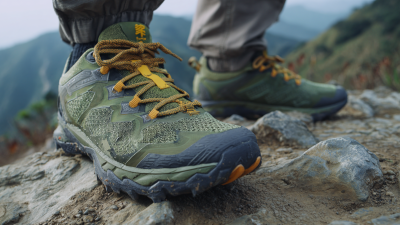
School shoes may need quiet soles, wipe-clean uppers, and daily durability. Sports styles require secure heel hold and controlled flexibility. Outdoor youth footwear needs traction, weather resistance, and visible design details.
The World Footwear Yearbook 2024 reported approximately 23.9 billion pairs produced globally in 2023, with Asia supplying about 88% of output.
This scale supports flexible sourcing, but volume can hide inconsistent quality. I have found that attractive samples sometimes fail after repeated bending. Safety documentation should match the product’s real use, because protective footwear standards do not automatically validate everyday children’s shoes.
Quantify Demand with World Footwear’s 22.4B-Pair 2023 Market
Why Are Youth Shoes a Smart Global Sourcing Choice?
World Footwear’s 2024 Yearbook recorded 22.4 billion pairs consumed globally in 2023. That figure gives sourcing teams a useful demand baseline. Youth footwear represents a recurring need, not a one-time purchase. Children outgrow sizes quickly, while school, sports, and seasonal use create regular replacement cycles.
The opportunity is measurable. Buyers can compare regional population data, school calendars, climate, and retail sell-through before placing orders. A practical youth range may include flexible trainers, water-resistant school shoes, and lightweight sandals. Size curves matter. A warehouse can lose money when popular middle sizes sell out first. Small pilots reduce that risk.
Quality evidence remains essential. ISO 17025-accredited laboratories can test abrasion, flexing, slip resistance, and restricted substances. Factory audits should verify material traceability and production consistency. The OECD Due Diligence Guidance also supports risk-based supply-chain checks. These steps improve reliability across unfamiliar markets.
But the 22.4 billion-pair figure is not a youth forecast. It describes total footwear consumption. That distinction deserves attention. Demand can vary sharply by age, income, climate, and local customs. Sourcing decisions should therefore combine World Footwear data with population statistics, retailer feedback, and actual order performance. Numbers guide the first decision. They do not replace local evidence.
Map Supply: Asia Produced 87.6% of Global Footwear in 2023
Why Are Youth Shoes a Smart Global Sourcing Choice?
Map Supply reports that Asia produced 87.6% of global footwear in 2023. This concentration gives buyers access to mature manufacturing networks, skilled workers, and established material suppliers. For youth shoes, that matters because children’s designs often require flexible soles, secure closures, breathable uppers, and dependable sizing. Asian production centers can support both small design changes and larger orders. However, a large production share does not guarantee consistent quality. Buyers still need practical checks.
My sourcing experience suggests that youth footwear requires closer product testing than many buyers expect. A shoe may look attractive but feel heavy after ten minutes of walking. Samples should be checked for sole flexibility, stitching strength, odor, grip, and removable parts. Size measurements also need comparison with real foot data. Some factories communicate well during sampling but respond slowly during revisions. That weakness can affect delivery schedules.
Tips: Request several sample rounds. Test shoes on active children, not only adults. Confirm material documentation and factory working practices. Ask for production photos, inspection records, and clear correction timelines. Keep specifications simple. Too many decorative details can increase defects and waste. I would also avoid relying on Asia’s 87.6% share alone; regional concentration improves access, but it can reduce flexibility when shipping delays or material shortages occur. Direct communication and independent inspections remain necessary.
Compare FOB Cost, MOQ, Freight, Duties, and Quality-Loss Rates
Youth shoes can be a smart global sourcing choice when buyers compare the entire landed cost, not only the FOB quotation. The World Trade Organization’s World Tariff Profiles 2023 shows that clothing and footwear often face double-digit import duties in major markets. A low FOB price may therefore lose its advantage after duty, brokerage, and inland delivery. Request the HS classification before negotiation. Duty errors are expensive.
MOQ also changes the calculation. A factory offering 500 pairs may charge more per pair than one accepting 3,000 pairs, but excess inventory creates another loss. Freight matters too. The United Nations Conference on Trade and Development’s Review of Maritime Transport 2024 highlights continuing volatility in container shipping costs and routing capacity. Compare sea, rail, and air scenarios using carton dimensions, not guesses. One extra centimeter can reduce pallet efficiency.
Quality needs a financial measure. The American Society for Quality separates prevention, appraisal, and failure costs, which helps buyers track inspection, rework, returns, and disposal. Set a pilot order with measurable checkpoints: outsole bonding, size tolerance, stitching, odor, and carton damage. Record the quality-loss rate by batch. A 2% defect rate sounds small, yet it can exceed freight savings on a tight-margin order. Perfect forecasting is unrealistic. Recheck demand, duty assumptions, and inspection results before scaling.
Verify CPSIA, REACH, EN 71, and Factory-Audit Requirements
Why Are Youth Shoes a Smart Global Sourcing Choice?
Verify CPSIA, REACH, EN 71, and Factory-Audit Requirements
Youth footwear offers flexible materials, specialized production, and access to established supply networks. The scale is significant: the World Footwear Yearbook 2024 estimated global production at about 23.9 billion pairs in 2023. That scale can support competitive sourcing, but children’s products require tighter evidence. A lower price is not a compliance strategy.
For United States sales, suppliers should verify CPSIA requirements for accessible components. Testing may cover lead content and restricted phthalates, depending on the material and product design. In the European market, REACH screening should examine restricted substances and SVHC communication duties. The 0.1% SVHC threshold is especially important for material declarations and customer communication. EN 71 needs careful interpretation. It generally applies to toys, not ordinary shoes, unless footwear is marketed as a toy or includes toy-like functions. Misapplying the standard can waste money. Missing it can create a bigger problem.
Factory audits should check chemical storage, batch traceability, test reports, worker procedures, and corrective-action records. ECHA’s enforcement projects have repeatedly found non-compliant consumer products, showing why supplier declarations alone are weak evidence. A factory may pass an audit on Tuesday and change materials next month. No audit is perfect. Sampling should cover uppers, coatings, adhesives, soles, packaging, and production changes. One practical weakness remains: buyers often review documents late, after tooling begins. Early verification is less exciting, but it prevents expensive redesigns.
Why Are Youth Shoes a Smart Global Sourcing Choice?
Selected Compliance Triggers for Global Verification
Youth-shoe sourcing can support multi-market sales when suppliers provide material traceability, laboratory reports, technical files, and documented factory controls. The chart shows selected regulatory reference values converted to parts per million (ppm). CPSIA limits accessible lead in children's products to 90 ppm and restricts certain phthalates to 0.1% (1,000 ppm) when applicable. REACH requires communication when a Candidate List substance exceeds 0.1% by weight in an article.
EN 71 is a toy-safety standard and is not a universal footwear requirement; it may become relevant when footwear includes toy-like components or is marketed as a toy. EN 71-3 limits vary by element, material category, and product classification. Factory audits do not have one universal legal pass score, so buyers should define requirements for labor practices, quality systems, chemical management, traceability, and corrective-action follow-up.
References:
U.S. CPSC lead limits ·
U.S. CPSC phthalate requirements ·
ECHA Candidate List ·
REACH Article 33