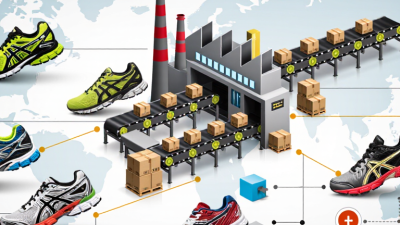
China remains a major sourcing hub for exercise shoes, but global buyers need more than attractive factory photos and low quotations. The World Footwear Yearbook 2024 reported that China supplied roughly 64% of global footwear exports in 2023. This scale offers broad manufacturing capacity, from lightweight mesh trainers to stability shoes with molded midsoles. However, production volume does not automatically guarantee comfort, durability, or consistent sizing.
The best exercise shoes from China should be evaluated through evidence. Buyers should inspect the upper’s stitching, heel-counter support, outsole traction, and midsole rebound. A sample should survive repeated flexing before any large order begins. Testing should also address abrasion, bonding strength, colorfastness, and size consistency. The ASTM footwear standards and ISO testing methods provide useful technical references, although buyers must select tests suitable for their intended market.
Market demand is also changing. McKinsey and the World Federation of the Sporting Goods Industry have reported continued growth in global sporting goods, with consumers seeking performance, comfort, and better value. That makes supplier selection more demanding. A low price can hide weak glue lines, thin rubber, or expensive quality claims later. Not every factory is perfect. Neither is every buyer’s specification.
Reliable sourcing therefore depends on transparent communication, documented inspections, and realistic performance claims. Buyers should request material specifications, production samples, factory audit information, and independent test reports. This guide compares Chinese exercise shoes through those practical criteria, helping global purchasers balance design, safety, cost, and long-term supplier reliability.
China produced 55.5% of the world’s footwear in 2023, according to the World Footwear Yearbook 2024. The report estimates China made about 12.1 billion pairs. That scale gives global buyers broad access to exercise shoe factories, components, and experienced production teams.
Scale is not the same as performance. A suitable training shoe needs stable heel support, controlled flexibility, and an outsole matched to the intended surface. Buyers should request test records for abrasion, bonding strength, flex resistance, and slip performance. ISO 20344 provides recognized footwear testing methods, while factory audits can verify process control and worker training.
Material choices matter during sampling. EVA midsoles feel light, but density changes can affect cushioning after repeated use. Rubber outsoles usually improve traction, yet they may increase weight. Small details count. Check stitching around the toe box. Inspect glue lines near the heel. Ask for size grading records.
The World Footwear Yearbook also shows how concentrated production remains in Asia, with China at the center. This can shorten development cycles and support larger orders. Still, my practical concern is consistency. A strong first sample can hide uneven production later. Buyers should approve pre-production samples and test random pairs from finished cartons. The data supports China’s manufacturing strength, but careful verification remains necessary.
Best Exercise Shoes from China for Global Buyers?
Exercise Shoe Types: Match Running, Training, and Court-Sport Needs
Choosing exercise shoes from China starts with the sport, not the factory catalog. Running shoes need a flexible forefoot, stable heel support, breathable mesh, and cushioning for road impact. Ask suppliers for outsole rubber data and flex testing. A reliable sample should bend at the forefoot, not collapse through the middle. Check stitching around the toe box. Small gaps can become costly returns.
Training shoes face different stress. They need a flatter base, firm lateral support, and secure lacing for squats, jumps, and rope work. Court shoes need controlled grip, reinforced toe areas, and sidewall support for sudden stops. Indoor courts may require non-marking outsoles. Confirm this detail before bulk production. Measure heel-to-toe drop and insole length across several sizes. Size charts often vary more than buyers expect.
During supplier evaluation, compare materials, mold consistency, packaging, and inspection records. Request wear samples from the same production line. A polished sample can still hide weak glue or uneven pairs. I have seen attractive uppers paired with hard, noisy outsoles. That mistake changes comfort quickly. Consider climate, shipping distance, and customer use. Humid markets need moisture control, while cold regions may need softer compounds. Ask for clear test reports, material declarations, and traceable batch details. Review everything twice.
| Exercise Shoe Type | Best-Matched Activity | Typical Weight per Shoe | Common Heel-to-Toe Drop | Recommended Midsole Profile | Outsole and Traction Requirements | Upper Construction | Key Buyer Quality Checks | Global Buyer Priority |
|---|---|---|---|---|---|---|---|---|
| Road Running Shoes | Daily road running, treadmill running, walking, and recreational jogging | Approximately 230–340 g in an adult men's size 9; women's and smaller sizes are usually lighter | Commonly 4–12 mm | Lightweight EVA or TPU-blended foam with moderate to high shock absorption; a stable heel platform is useful for daily mileage | Carbon-rubber or durable rubber in high-wear zones; flexible forefoot; tread should provide grip on dry and lightly wet pavement | Breathable engineered mesh with reinforced toe and heel areas; padded tongue and moisture-managing lining | Check size consistency, heel-counter stability, outsole bonding, flex durability, foam compression, odor control, and wear after repeated impact testing | High for running channels |
| Trail Running Shoes | Forest paths, gravel trails, mixed outdoor terrain, and light hiking | Approximately 280–400 g per shoe | Commonly 4–10 mm | Firm yet protective foam with a rock-protection layer or reinforced forefoot for uneven surfaces | Rubber outsole with multidirectional lugs; lug depth commonly around 3–5 mm for general trail use; toe bumper recommended | Tightly woven mesh or ripstop textile with protective overlays; gusseted tongue can reduce debris entry | Inspect lug adhesion, torsional stability, toe-bumper strength, water-resistance claims, lace-retention performance, and abrasion resistance | High for outdoor markets |
| Cross-Training Shoes | Gym workouts, circuit training, strength exercises, rowing, and short bursts of cardio | Approximately 260–380 g per shoe | Commonly 3–8 mm | Stable, relatively firm foam with a broad base; moderate cushioning is preferred over a highly soft running feel | Flat, durable rubber outsole with strong lateral grip; a wide contact area supports lifting and multi-directional movement | Breathable mesh combined with supportive synthetic overlays around the midfoot and heel | Test side-to-side stability, heel hold, forefoot flex, outsole scuff resistance, stitching strength, and platform stability under load | High for gym footwear |
| Weight-Training Shoes | Squats, deadlifts, strength training, and controlled gym exercises | Approximately 300–450 g per shoe | Commonly 0–6 mm for flat designs; elevated heel designs may use approximately 10–25 mm of heel lift | Firm, low-compression midsole with minimal unwanted movement; a rigid heel structure may be used for lifting-focused models | Flat, wide rubber outsole with strong floor contact and low torsional flexibility | Dense mesh or synthetic upper with firm midfoot support; hook-and-loop straps may be added to lifting-specific models | Verify heel stability, sole flatness, outsole hardness consistency, strap durability, stitching, and resistance to permanent deformation | Medium to high for specialist buyers |
| Basketball Shoes | Indoor and outdoor basketball, jumping, sprinting, and frequent lateral movement | Approximately 350–500 g per shoe | Commonly 6–10 mm | Responsive foam with impact protection under the heel and forefoot; cushioning should not compromise court stability | Herringbone or multidirectional rubber tread; indoor models should use a non-marking outsole; outdoor models need thicker, more abrasion-resistant rubber | Mesh or woven textile with reinforced eye stays, heel support, and structured lateral panels | Check ankle and heel containment, lateral cage strength, outsole squeak and grip on clean floors, toe-drag protection, and flex-cycle durability | High for court-sport channels |
| Tennis Shoes | Tennis, pickleball, padel, and other hard-court or all-court sports | Approximately 320–450 g per shoe | Commonly 4–8 mm | Stable, responsive cushioning with strong lateral support and a lower, more controlled ride than most running shoes | Durable rubber with a court-specific tread; hard-court designs need strong abrasion resistance; non-marking rubber is preferred for indoor courts | Reinforced mesh, synthetic leather, or layered textile with protected medial and lateral sides | Test toe-drag protection, lateral containment, outsole wear, pivot-point grip, upper tearing, and sole-to-upper bonding | High for racket-sport buyers |
| Indoor Volleyball Shoes | Volleyball, indoor handball, badminton, and fast indoor court movement | Approximately 280–400 g per shoe | Commonly 4–8 mm | Lightweight cushioning with a stable platform for repeated jumping and quick changes of direction | Non-marking gum rubber or equivalent indoor-court rubber with multidirectional traction and reliable grip during stops | Breathable mesh with reinforced toe, midfoot support, and secure heel counter | Check grip on clean and dusty floors, squeak behavior, heel lockdown, jumping comfort, outsole non-marking performance, and ventilation | High for indoor sports |
| Walking and Lifestyle Exercise Shoes | Daily walking, commuting, light exercise, travel, and casual athleisure use | Approximately 220–360 g per shoe | Commonly 6–12 mm | Moderate cushioning with a smooth transition from heel to toe; removable insoles can improve fitting flexibility | Durable rubber or rubberized foam in heel and forefoot contact areas; flexible tread for pavement and indoor use | Breathable knit or mesh with simple overlays; easy-entry construction is useful for casual consumers | Check long-wear comfort, insole recovery, heel-counter softness, colorfastness, outsole abrasion, and size conversion accuracy | High for mass-market channels |
| Water-Resistant Fitness Shoes | Outdoor fitness, light rain, travel, commuting, and mixed urban activities | Approximately 280–420 g per shoe | Commonly 4–10 mm | Balanced cushioning with a stable base; waterproof membranes may reduce breathability and increase weight | Rubber outsole with wet-surface traction; tread should clear water without becoming excessively rigid | Coated mesh, treated textile, or membrane-lined construction with sealed or protected seam areas | Define whether the product is water-resistant or waterproof; test tongue and collar leakage, breathability, coating durability, and color transfer | Medium for outdoor lifestyle markets |
Best Exercise Shoes from China for Global Buyers?
A practical supplier comparison should begin with MOQ, not catalog photos. Many factories quote 500 to 1,000 pairs per color, while smaller workshops may accept 200 pairs with higher prices. Ask whether the MOQ applies to each size, color, or complete order. This detail can change your inventory risk quickly. Request samples from at least three suppliers. Check outsole grip, stitching, foam recovery, odor, and size consistency after repeated use.
FOB prices for basic exercise shoes often range from 8 to 18 US dollars per pair, depending on materials, construction, and order volume. Treat the lowest quote carefully. A cheaper upper may crease badly after several weeks. Confirm what the FOB price includes, such as packaging, insoles, labels, and export handling. Written specifications reduce later disputes. Still, specifications can miss real production weaknesses.
Lead times commonly fall between 30 and 60 days after approval and deposit. Add time for material sourcing and pre-shipment inspection. Ask suppliers to report defect rates by batch, not only annual averages. A reasonable target may be below 2% for visible defects, but your inspection standard must be clear. I once focused too heavily on unit price and overlooked mixed-size cartons. That error created avoidable warehouse work. Independent inspections can verify carton counts, dimensions, workmanship, and random shoe measurements before shipment. Perfect data is rare. Consistent records matter more.
This anonymized sourcing benchmark compares typical China exercise-shoe supplier profiles by minimum order quantity, FOB price per pair, production lead time, and reported defect rate. Lower MOQ, shorter lead time, and lower defect rates generally reduce purchasing risk, while FOB pricing should be evaluated alongside materials, construction, packaging, and compliance requirements.
Compliance should guide every exercise shoe purchase, not decorate the final paperwork. In my sourcing reviews, reliable factories provide test reports linked to specific materials, colors, and production batches. Ask for REACH screening to check restricted chemicals, especially in rubber, adhesives, coatings, and textile parts. For the United States, CPSIA testing may cover children’s products, lead, phthalates, and tracking information. Adult footwear follows different requirements, so product classification matters.
EN ISO standards help buyers assess footwear performance, construction, slip resistance, and safety features. The exact standard depends on the shoe’s intended use. China’s GB requirements may apply during domestic production or sales. Request the current test scope, laboratory details, sample photographs, and report dates. A report copied from another style is a warning sign. It looks professional, but proves little.
Tips: Send the laboratory a sealed production sample, not only a factory sample. Match the test report with the outsole, upper, lining, and packaging. Keep purchase records and batch codes for traceability. Ask whether testing covers every colorway. Dark dyes and printed finishes can change chemical results. Also, verify requirements with a qualified local compliance adviser before shipment. Standards can change. My own review process is not perfect, and supplier documents sometimes contain unclear translations. A second technical review can prevent expensive assumptions.
Best Exercise Shoes from China for Global Buyers?
Choosing exercise shoes from China requires more than comparing factory prices. I rank cushioning, fit, durability, certifications, and cost in that order. Cushioning should feel supportive, not spongy. During sample checks, I press the midsole and inspect rebound after repeated compression. A stable heel and flexible forefoot matter during walking, training, and short runs.
Fit decides whether customers keep the shoes. Measure the internal length, width, heel grip, and toe space with a physical sample. Size charts can be inconsistent. Test several foot shapes before approving production. Durability deserves realistic trials, including bending, outsole abrasion, stitching checks, and wet-surface walking. Look closely at glue lines and collar padding. Small defects often become returns.
Certifications should be checked, not admired. Request current laboratory reports, material declarations, and factory quality records relevant to the destination market. Verify that documents match the exact shoe, materials, and production site. Cost includes sampling, tooling, packaging, shipping, duties, inspection, and possible returns. A low unit price can become expensive. My scoring is not flawless; comfort feedback may differ across regions. I would test a limited order, collect buyer comments, and adjust the fit before scaling.