
How to Choose the Right Kids Shoes for Global Sourcing?
Choosing the right kids shoes for global sourcing requires more than attractive colors, low prices, and a familiar factory name. A successful product must protect growing feet, fit local customers, and survive demanding supply-chain conditions. Buyers need to examine toe-box width, heel stability, flex points, cushioning, weight, and fastening systems. Small details matter. A stiff seam can rub a child’s heel. A slippery outsole can create problems on a wet school corridor.
Pediatric podiatrist Dr. Tracy Byrne has emphasized, “Children’s feet are not just small versions of adult feet.” This principle should guide every sourcing decision. Children’s feet change quickly, and sizing systems vary between regions. A European size may not match an American or Asian fit profile. Product teams should request measured samples, test several foot shapes, and compare results with real children’s wear trials. Laboratory checks should also review material safety, bonding strength, odor, abrasion resistance, and outsole traction.
Supplier capability deserves equal attention. Factory visits, production records, sample consistency, and transparent corrective actions reveal more than polished presentations. The cheapest quotation may hide weak quality control. Yet the most expensive supplier is not automatically the safest choice. No checklist is flawless. Even experienced buyers can overlook a narrow collar or confusing size label. That uncomfortable possibility deserves discussion. Strong global sourcing combines technical footwear knowledge, documented testing, responsible communication, and continuous review. This guide explores practical ways to evaluate kids shoes before large orders are approved, helping brands reduce avoidable returns and build trust with families worldwide.
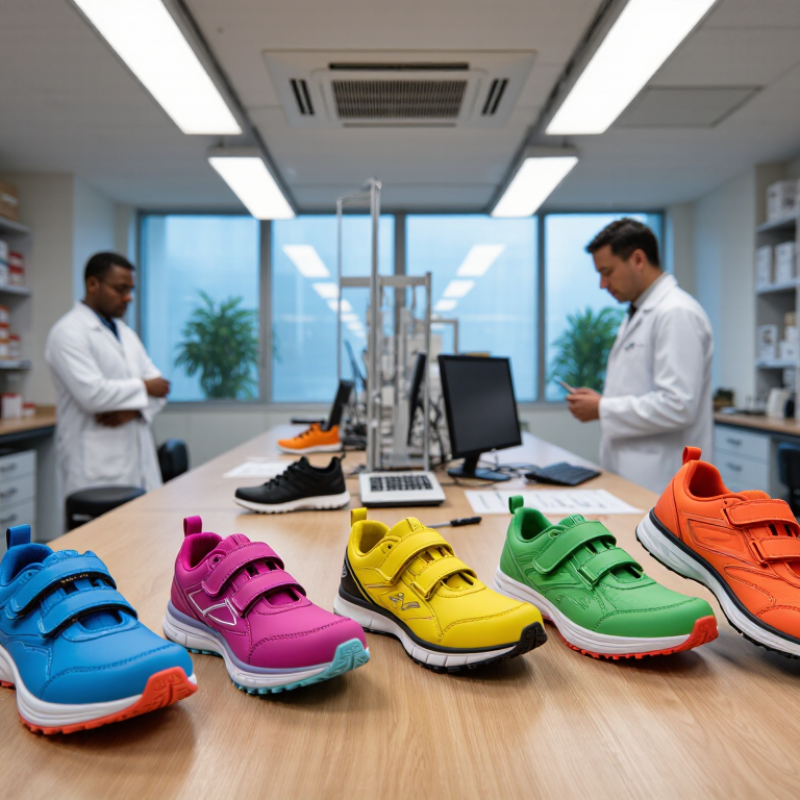
Segment Children’s Demand by Age, Fit, Climate, and Target Market
How to Choose the Right Kids Shoes for Global Sourcing?
Children’s demand should be segmented before suppliers quote prices. Age is only a starting point. Toddlers need flexible soles, wide openings, and secure closures. Early school-age children need room for active movement. Older children often want lighter shoes with a more adult appearance. WHO Child Growth Standards confirm that children develop at different rates, so age-based sizing alone can create costly returns. Measure foot length, width, instep height, and toe shape. Leave practical growth space, but do not make the shoe excessively loose.
Fit must match the target market. A narrow last may suit some regions but fail in markets with broader feet. Use local fitting trials and record pressure points after walking, not only standing. Climate changes the specification. Hot, humid markets may require breathable uppers, moisture control, and quick-drying linings. Cold regions need insulation, traction, and enough volume for socks. Rainy markets demand sealed construction and tested slip resistance. Materials should also tolerate local storage conditions.
The World Footwear Yearbook 2024 reported about 22.4 billion pairs produced globally in 2023, with Asia accounting for roughly 87% of production. This scale rewards precise segmentation, not generic buying. I still see sourcing teams selecting one mold for several countries. It looks efficient. It often is not. Test samples with children from the intended market, then compare returns, wear marks, and caregiver feedback. ISO 19407 sizing conversions can support communication, but physical measurements remain more reliable than a printed size label.
| Age Segment | Typical Foot Length | Indicative EU Size | Development & Fit Priorities | Recommended Construction | Climate / Terrain | Target Market Demand | Sourcing & Quality Checks |
|---|---|---|---|---|---|---|---|
| Infant 0–12 months |
Approximately 9.0–12.0 cm |
EU 16–20 Indicative only |
Flexible, lightweight and non-restrictive fit. Allow natural toe movement and avoid rigid support for pre-walkers. | Soft textile, knitted or leather upper; seamless or low-seam interior; flexible non-slip sole; wide opening; hook-and-loop or elastic closure. | Breathable linings for warm climates; soft insulated lining for cold climates; moisture-resistant outer materials for wet conditions. | Newborn gifting, nursery essentials and first-footwear collections. Neutral colours and easy-on designs support broad international appeal. | Check sharp edges, small detachable parts, seam pressure, colourfastness, chemical restrictions and accurate internal length. |
| Toddler 1–3 years |
Approximately 11.0–15.0 cm |
EU 19–25 Indicative only |
Extra room for active toe movement, secure heel hold and easy entry. Fit should accommodate rapid growth without excessive slipping. | Flexible rubber or EVA outsole; rounded toe box; padded collar; adjustable hook-and-loop strap or elasticated opening; reinforced toe area. | Washable and breathable designs for hot climates; water-resistant uppers and grippy outsoles for rainy or mixed-weather regions. | Daycare, playground and early walking. Parents commonly value easy cleaning, durability, comfort and independent fastening. | Test flex points, outsole grip, heel slippage, pull strength of closures, abrasion resistance and wash durability. |
| Preschool 3–5 years |
Approximately 14.0–18.0 cm |
EU 24–29 Indicative only |
Balanced fit with a rounded forefoot, stable heel counter and enough volume for socks. Shoes should support running without being heavy. | Mesh or textile uppers for ventilation; flexible EVA or rubber outsole; reinforced toe cap; adjustable strap, elastic laces or simple hook-and-loop closure. | Ventilated mesh for warm areas; closed, water-resistant construction for wet seasons; moderate tread for playground and urban use. | Preschool uniforms, casual footwear, indoor sports and everyday school preparation. Bright colours and simple self-fastening features are popular. | Evaluate weight per pair, bending flexibility, outsole bonding, ventilation, stain resistance and colour transfer after rubbing. |
| Early School 5–8 years |
Approximately 17.0–21.0 cm |
EU 28–34 Indicative only |
Greater need for secure fit during running and school activity. Offer regular and wide options because foot shape varies considerably. | Durable synthetic or textile upper; abrasion-resistant toe and heel areas; cushioned but flexible midsole; secure lace, elastic-lace or strap system. | Breathable athletic styles for hot climates; water-resistant or insulated versions for cold and wet regions; deeper tread for outdoor use. | School shoes, daily casual styles, physical education and playground footwear. Durability, comfort and easy maintenance are key purchase factors. | Test repeated flexing, outsole wear, lace or strap retention, heel counter durability, odour control and wet-dry performance. |
| Older Children 8–12 years |
Approximately 20.0–24.5 cm |
EU 33–39 Indicative only |
Fit should accommodate higher activity levels and changing foot proportions. Provide regular, wide and adjustable-volume options where possible. | Lightweight athletic or casual construction; breathable upper; shock-absorbing midsole; durable rubber high-wear zones; secure lace or quick-lacing system. | Lightweight ventilation for warm markets; insulated and water-resistant construction for cold markets; multi-surface traction for active use. | Sports, school, commuting and fashion-casual categories. Older children increasingly influence colour, styling and performance preferences. | Check impact cushioning, torsional stability, outsole abrasion, flex-cycle durability, stitching strength and size consistency across production lots. |
| Young Teenagers 12–14 years |
Approximately 23.0–27.0 cm |
EU 37–42 Indicative only |
Adult-like performance requirements with youth-specific proportions. Offer broader size coverage and clearly separated men’s, women’s and unisex fit blocks where appropriate. | Performance mesh, synthetic leather or textile upper; structured heel; responsive yet flexible midsole; durable rubber outsole; secure lace closure. | Lightweight breathable models for hot climates; waterproof membranes or treated uppers for wet climates; insulated options for cold regions. | School, sport, streetwear and seasonal fashion. Design, perceived technology, colour choice and social-media visibility can strongly affect demand. | Validate size grading, heel and forefoot width, cushioning consistency, outsole traction, material breathability and chemical compliance. |
| High-Heat / Humid Markets | Use the age-based foot-length range |
Apply the destination size system |
Prioritise low weight, airflow and moisture management. Avoid overly tight collars and non-breathable linings. | Open mesh, perforated textile or breathable knit; moisture-wicking lining; quick-drying footbed; flexible, lightweight outsole. | Tropical, subtropical and hot urban climates; frequent sweating; occasional heavy rain. | Southeast Asia, South Asia, parts of Latin America, the Middle East and other warm urban markets. | Conduct breathability, drying-time, colourfastness, odour-management and wet-grip tests. Confirm materials remain stable under heat and humidity. |
| Cold / Snow Markets | Use the age-based foot-length range |
Apply the destination size system |
Allow room for winter socks while maintaining heel security. Avoid excessive internal volume that can reduce stability. | Insulated lining, water-resistant upper, sealed or protected seams, padded collar, flexible cold-resistant outsole and deeper tread. | Cold winters, snow, ice, slush and low temperatures. Grip and moisture protection are more important than minimum weight. | Northern Europe, North America, northern Asia and other regions with regular winter conditions. | Test cold-flex performance, water penetration, slip resistance, insulation, seam durability and outsole adhesion after freezing exposure. |
| Wet / Monsoon Markets | Use the age-based foot-length range |
Apply the destination size system |
Maintain secure fit when socks and interiors become damp. Footwear should dry quickly and resist mildew during storage. | Water-resistant synthetic or treated textile upper; gusseted tongue; drainage-aware footbed; textured rubber outsole; corrosion-resistant hardware. | Heavy rainfall, monsoon seasons, wet pavements and muddy school routes. | South and Southeast Asia, parts of Africa, Latin America and other high-rainfall regions. | Check water penetration, drying time, hydrolysis resistance, mould resistance, outsole grip on wet surfaces and packaging moisture protection. |
| Dry / Hot / Dusty Markets | Use the age-based foot-length range |
Apply the destination size system |
Prioritise ventilation, dust-resistant construction and durable materials that do not quickly degrade under strong sunlight. | Breathable but tightly woven upper; reinforced seams; removable footbed; abrasion-resistant toe area; durable rubber or EVA outsole. | Arid, semi-arid and high-sun environments with hot daytime temperatures, dust and hard ground. | North Africa, the Middle East, parts of Central Asia, Australia and other dry climates. | Test UV ageing, abrasion, dust ingress, heat ageing, outsole hardness variation and colour stability under sunlight. |
| Urban / School Uniform Markets | Use the age-based foot-length range |
Follow local school sizing rules |
Prioritise all-day comfort, easy cleaning, consistent sizing and compatibility with school socks or uniform requirements. | Polished synthetic leather or durable textile; cushioned insole; flexible outsole; black, navy or other approved uniform colours. | Indoor and outdoor transitions, paved surfaces, public transport and daily school wear. | Markets where schools or parents require formal colours, closed toes and conservative styling. | Check scuff resistance, polish or wipe-clean performance, odour control, sole marking, uniform colour matching and repeated-wear durability. |
| Sports / Active Lifestyle Markets | Use the age-based foot-length range |
Follow the destination size system |
Secure heel hold, adequate toe clearance, controlled flexibility and cushioning matched to the intended activity. | Breathable upper, reinforced overlays, shock-absorbing midsole, durable rubber outsole and activity-specific traction pattern. | Running, court sports, playgrounds, training areas and mixed indoor-outdoor surfaces. | Global urban markets with strong demand for physical education, youth sports and everyday athletic styling. | Conduct flex-cycle, impact, traction, torsion, abrasion, upper-tear and outsole-bonding tests. Avoid making medical or performance claims without evidence. |
Related Posts
-
How to Choose the Best Athletic Footwear for Your Needs?
-
2026 Top Sports Footwear Trends What Buyers Should Know?
-
How to Choose the Right Youth Athletic Shoes for Optimal Performance and Injury Prevention
-

7 Secret Features of the Best In Running Shoes You Never Knew About
-
How to Choose Youth Running Shoes in 2026?
-
Top 5 Sneaker Hiking Boots for Ultimate Comfort and Performance